Home · Getting Here
Every way in01
Where each arrival puts you
Reagan National (DCA)
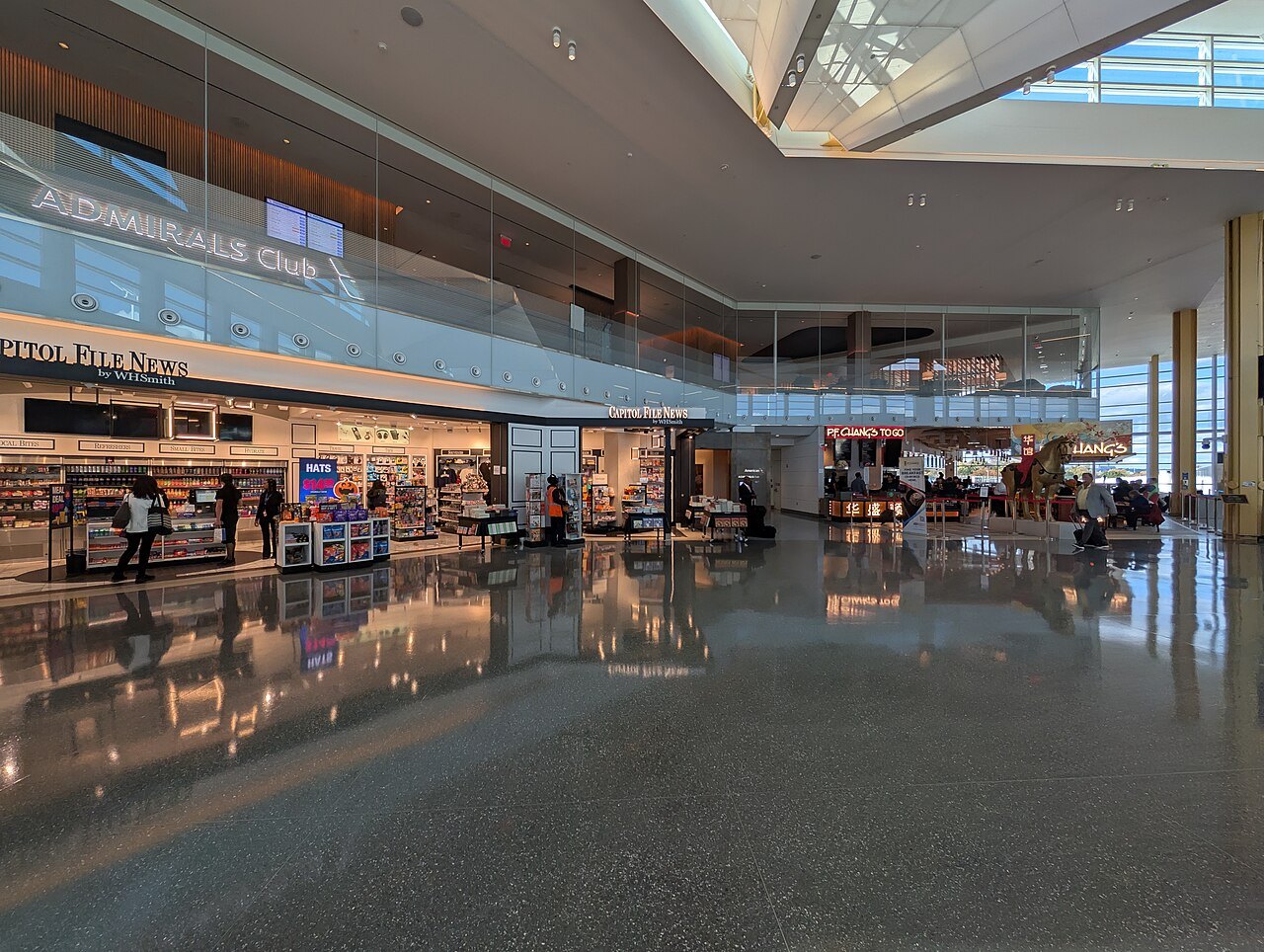
The closest airport, on the Virginia bank of the Potomac about five miles from the city, with its own Metro station on the Blue and Yellow Lines.
Dulles (IAD)
The main international airport, about 26 miles west in Virginia, in Eero Saarinen's famous terminal. The Silver Line of the Metro has run to it since 2022.
BWI Marshall
Baltimore/Washington International, in Maryland near Baltimore, a base for low-cost flights. A free shuttle runs to its rail station, with MARC and Amtrak trains to Union Station.
Union Station
Daniel Burnham's station of 1907, the southern end of the Northeast Corridor, with Amtrak trains from New York and Boston and the Red Line underneath.
MARC and VRE
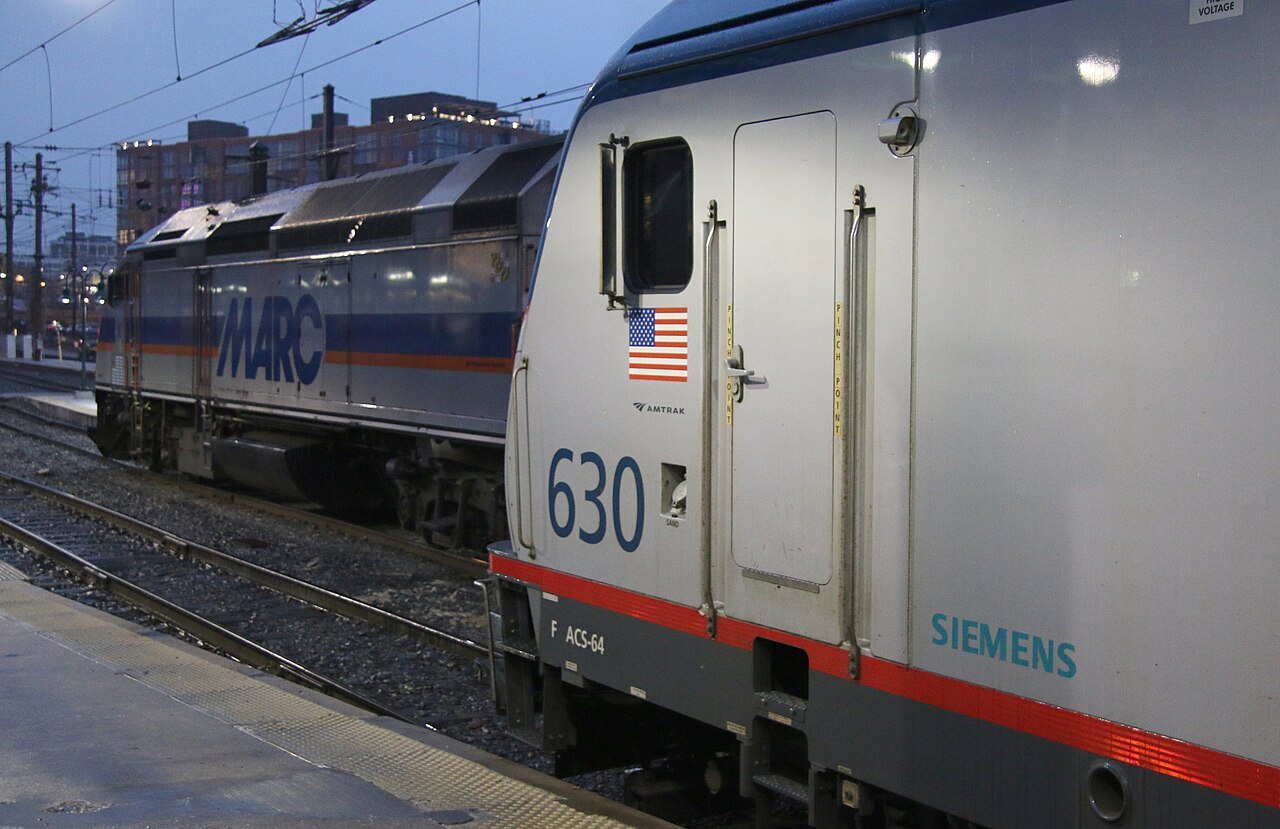
Commuter trains from Maryland and Virginia into Union Station, mostly on weekdays, useful from BWI and from towns along the lines.
Intercity buses
Long-distance and budget coaches, many of which stop at Union Station's bus deck, above the tracks.
In full02
Getting Here
How the city is reached
Washington is small for a capital, and it is squeezed between two states: Maryland on three sides and Virginia across the Potomac. So none of its three airports is in the District. Ronald Reagan Washington National is just over the river in Arlington County, Virginia; Washington Dulles International is out in the Virginia countryside to the west; and Baltimore/Washington International Thurgood Marshall is in Maryland, much nearer to Baltimore. By rail, almost everyone arrives at Union Station on Capitol Hill, the southern end of the busy Northeast Corridor.
All of them are tied into the regional rail system, the Metro, so you can reach the city without a car, and once you are in, most of the sights are close together (see getting around). Which airport you choose matters more than in most cities, because the distances are so different: plan the last stretch before you book.
Reagan National
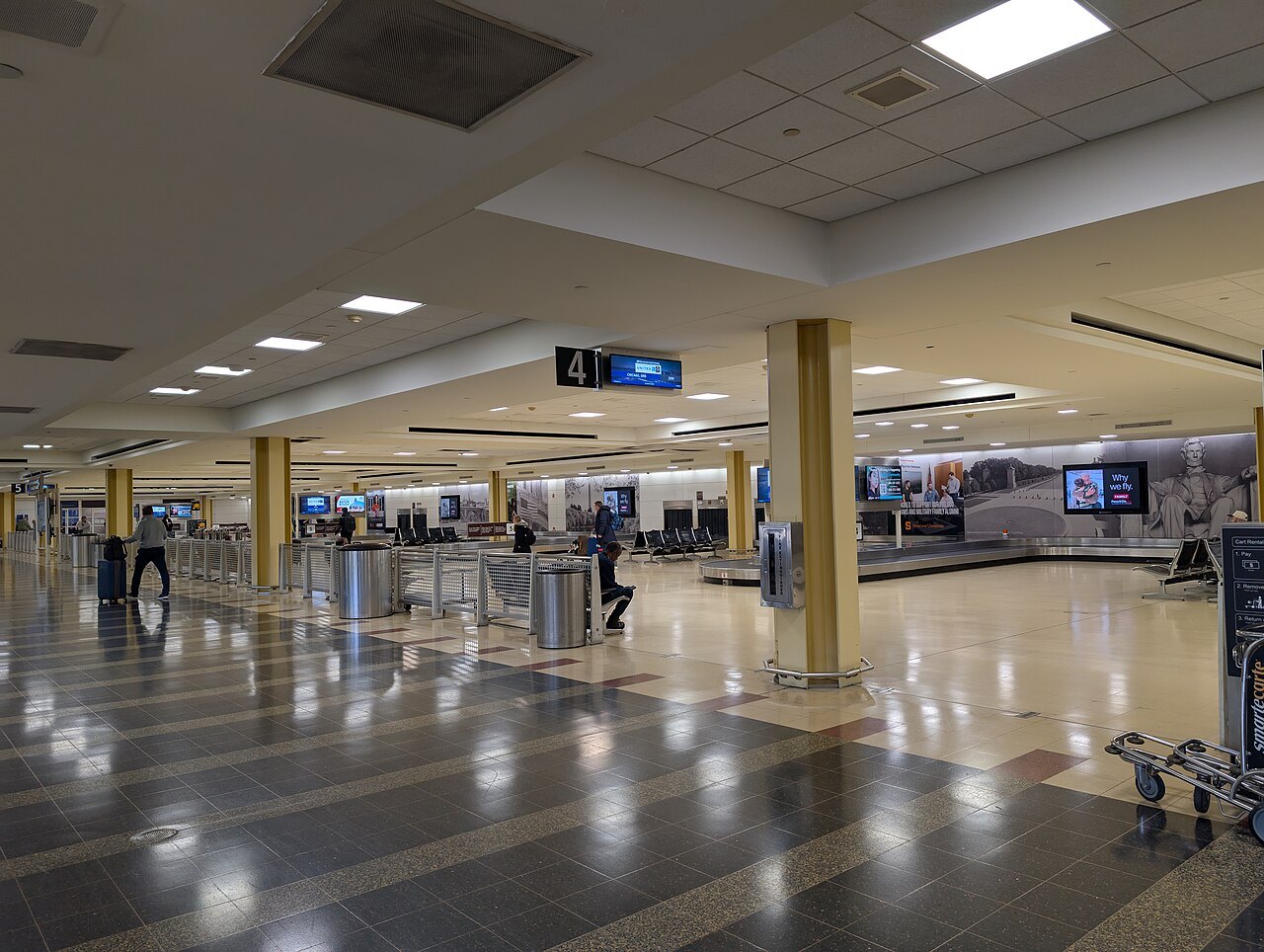
Reagan National, known by its code DCA, is the closest airport to the city, on the west bank of the Potomac about five miles from downtown, with views of the Mall on the approach. It opened in 1941 as Washington National Airport; part of the original terminal survives as Terminal 1, and the much larger Terminal 2 opened in 1997. It is the busiest airport in the Washington area, and its main runway is the busiest in the country.
It is mainly a domestic airport. A perimeter rule, dating from the 1960s, limits most nonstop flights to cities within a set distance, with some exceptions, so long-haul and most international passengers use Dulles instead. The airport's Metro station, open since 1977, is on the Blue and Yellow Lines, a covered walk from Terminal 2, and the Yellow Line crosses the river straight into the city. Taxis and ride-hail cars wait at the terminals, and the Mount Vernon Trail passes the airport for anyone arriving by bike.
Dulles International
Washington Dulles International, code IAD, is the region's main international airport, handling most of the international passengers in the Baltimore and Washington area. It lies about 26 miles west of downtown in Loudoun and Fairfax counties, Virginia, and it opened in 1962, named for John Foster Dulles, secretary of state under Eisenhower.
Its main terminal, designed by Eero Saarinen, is one of the landmarks of modern American architecture, a sweeping concrete roof slung between leaning columns, suggestive of flight. The terminal was built without concourses, and passengers were carried to their planes in mobile lounges, some of which are still used; today an underground train called AeroTrain also links the terminal with the midfield concourses.
Since November 2022 the Silver Line of the Metro has reached the airport, with a station connected to the terminal. It is a long ride into the city, but a simple one, with no changes needed for downtown stops. A taxi ride to the center is long and depends heavily on traffic.
BWI Marshall
Baltimore/Washington International Thurgood Marshall, or BWI, is in Anne Arundel County, Maryland, south of Baltimore and well north of Washington. It is the busiest airport in the Baltimore and Washington area by passengers, and since Southwest Airlines arrived in 1993 it has been the region's home of low-cost flights, often the cheapest way to fly in.
The airport has its own rail station on the Northeast Corridor, about a mile from the terminal, with a free shuttle bus between them. From there MARC commuter trains on the Penn Line and Amtrak trains run south to Union Station. MARC is a commuter railroad and runs most often on weekdays, so check its schedule for weekends; Amtrak trains are faster and pricier, and need a reserved ticket.
Union Station
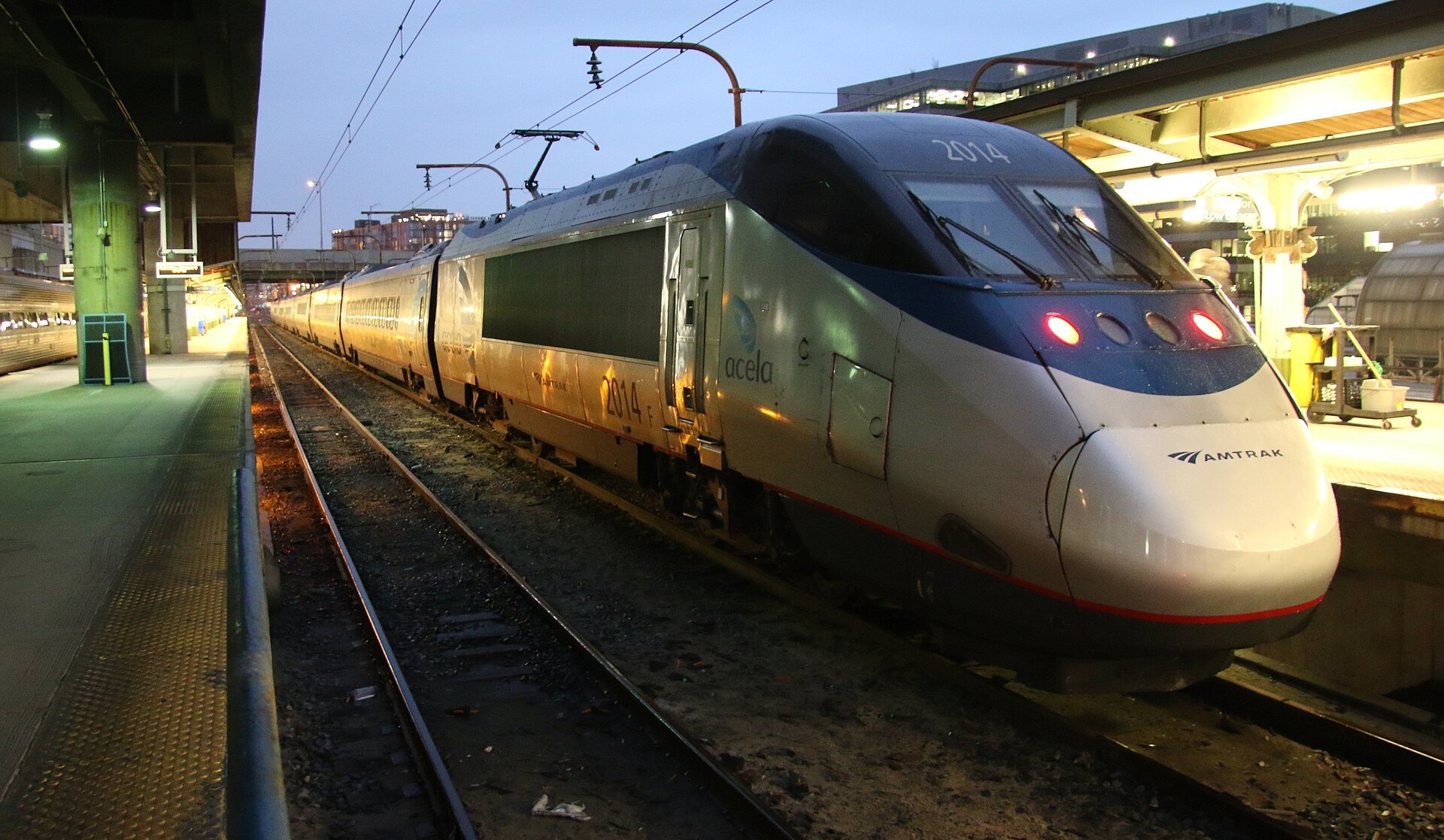
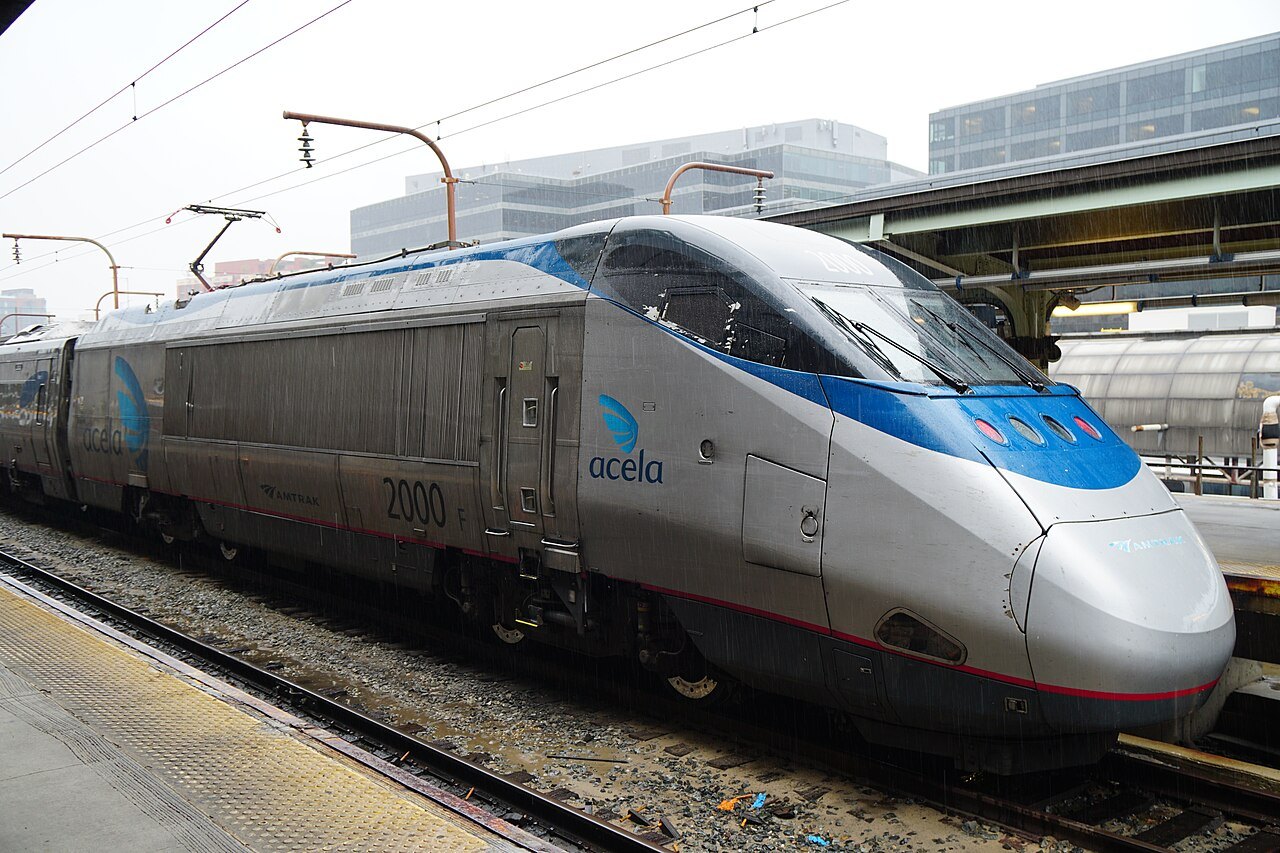
Union Station, designed by Daniel Burnham and opened in 1907, is one of the great railroad stations of the country and a sight in itself (see Union Station). It is Amtrak's second-busiest station and the southern end of the Northeast Corridor, the electrified line that runs north through Baltimore, Philadelphia and New York to Boston. Acela, Amtrak's fastest train, and the Northeast Regional both run the corridor, and long-distance trains arrive from the South and the Midwest.
The station is also the hub for commuter trains: MARC from Maryland and VRE, the Virginia Railway Express, from northern Virginia. Underneath is the Union Station stop on the Red Line of the Metro. The Capitol is a short walk away across the plaza and down the hill, so for anyone staying on Capitol Hill, arriving by train means arriving on foot. Amtrak took over the station in 2024 and has begun a long renovation, so expect some work in progress.
By bus and by car
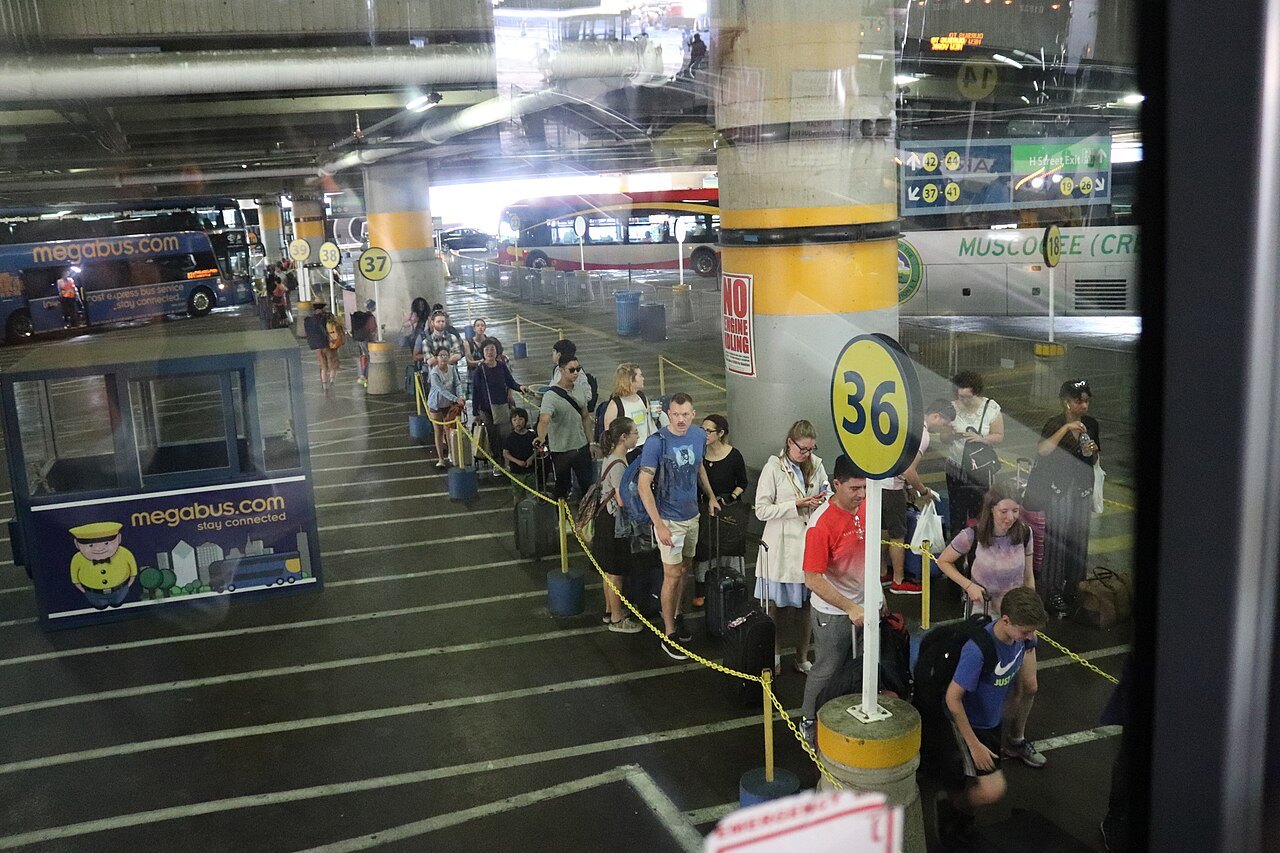
Many intercity bus companies, from the major lines to the budget coaches along the Northeast Corridor, stop at Union Station's bus deck, above the tracks and beside the parking garage. Others stop at curbside points elsewhere in the city, so check where your bus arrives before you travel.
Driving in is possible, but a car is more burden than help in Washington. The interstates and the Beltway around the city are among the most congested roads in the country, parking downtown is scarce and expensive, and the circles and diagonal avenues of the old plan confuse newcomers (see the plan). If you arrive by car, park it at your hotel or at an outlying Metro station and leave it there.
Arriving
Whichever way you come, buy a SmarTrip card or add one to your phone's wallet before your first Metro ride, since the same card works on trains and buses; you can also tap a contactless bank card or phone at the gates. The Metro stations at Reagan National, Dulles and Union Station all put you on the system within minutes of arrival.
For a first visit, the easiest arrivals are Reagan National for domestic flights and Union Station by train, both minutes from the center. Dulles is the gateway for international travel, and BWI is often the cheapest; both add a longer journey at the end. Allow for the security screening you will find at many sights once you are here (see booking ahead).
Some links on this page are affiliate links. If you book through one we may earn a commission, at no extra cost to you. It does not affect what is recommended here, and no sight page on this site carries one.
Arranged before you land:
Seen on the way03
More photographs
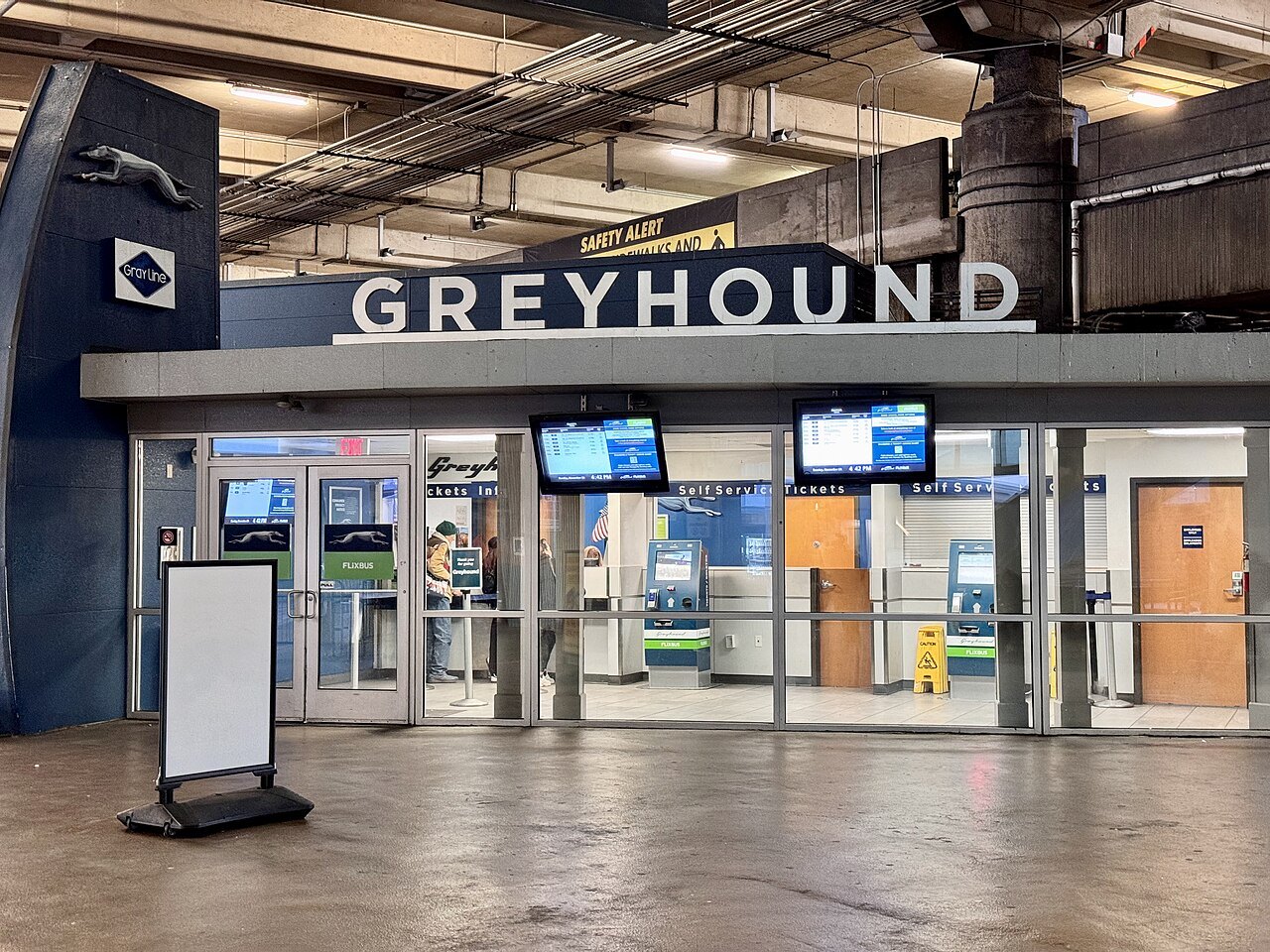
The Greyhound terminal on the bus deck at Union StationHarrison Keely, Wikimedia Commons, CC BY 4.0 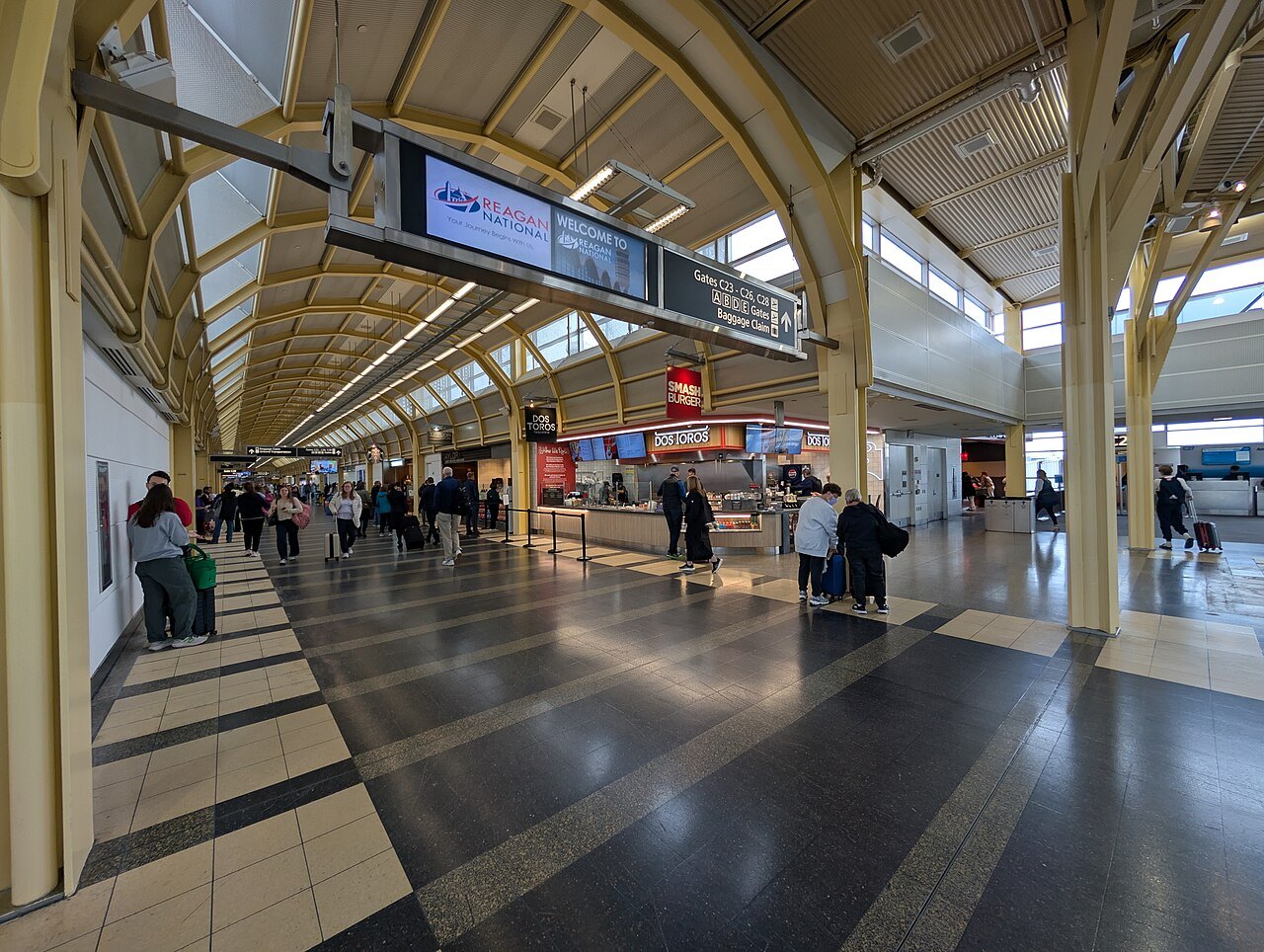
Concourse C at Reagan National, under the terminal's steel vaultsG. Edward Johnson, Wikimedia Commons, CC BY 4.0 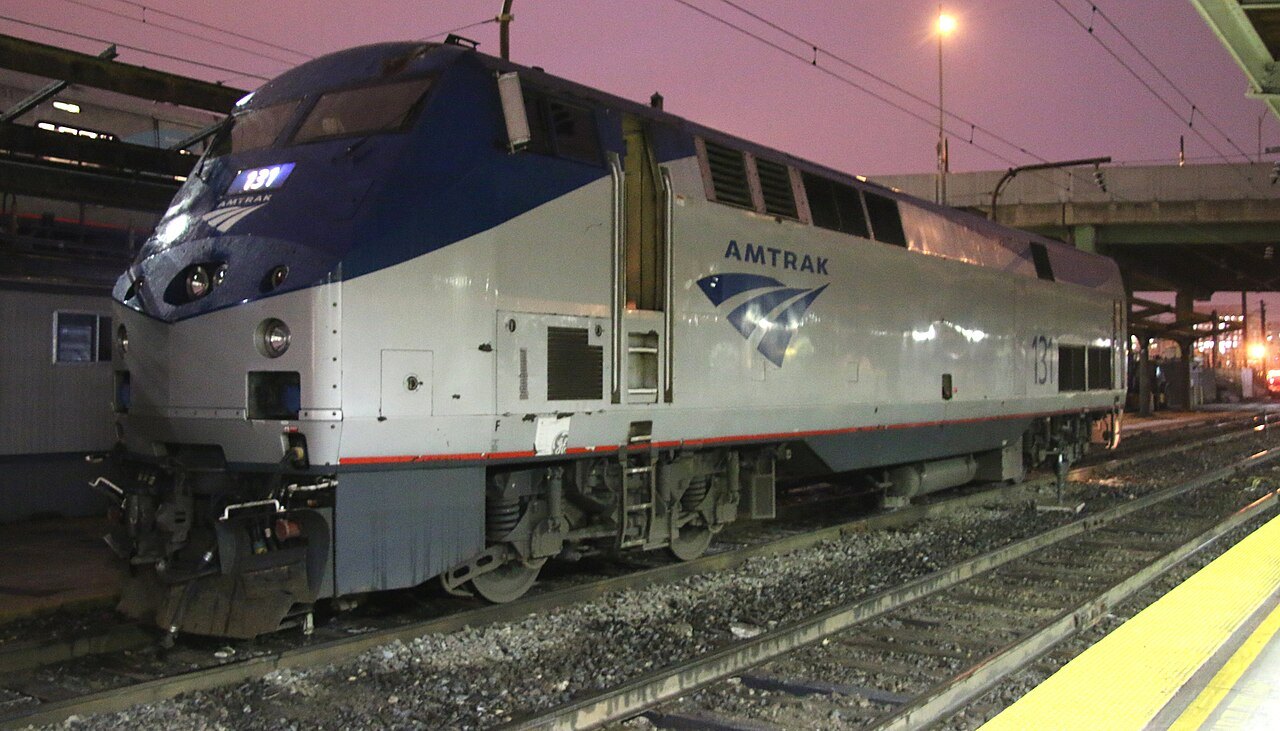
An Amtrak diesel locomotive at dusk in the Union Station yardSteve Knight, Wikimedia Commons, CC BY 2.0