Home · The Mall
East to west01
The museums, side by side
- North sideNational Museum of Natural HistoryThe green-domed museum of dinosaurs, gems and mammals, with the Hope Diamond, on the north side at 10th Street.
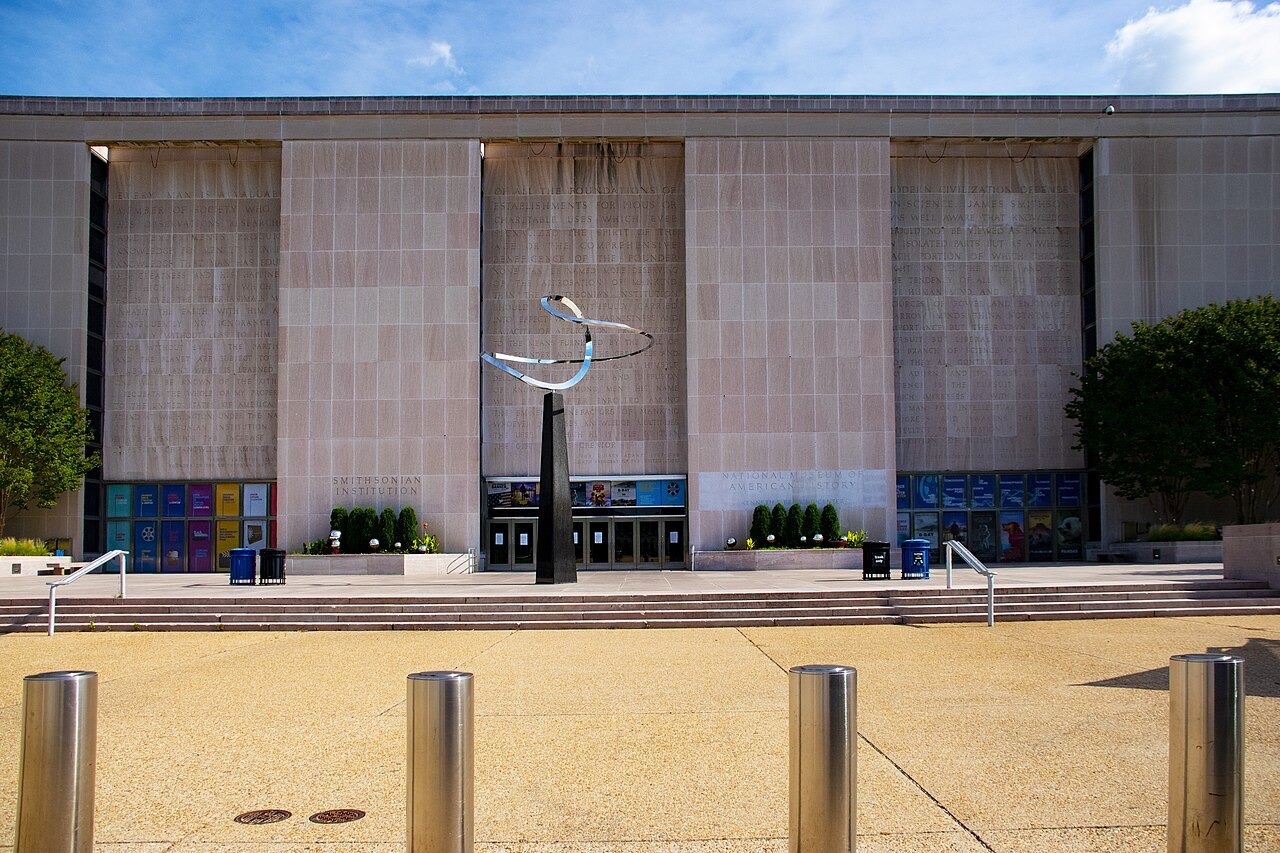
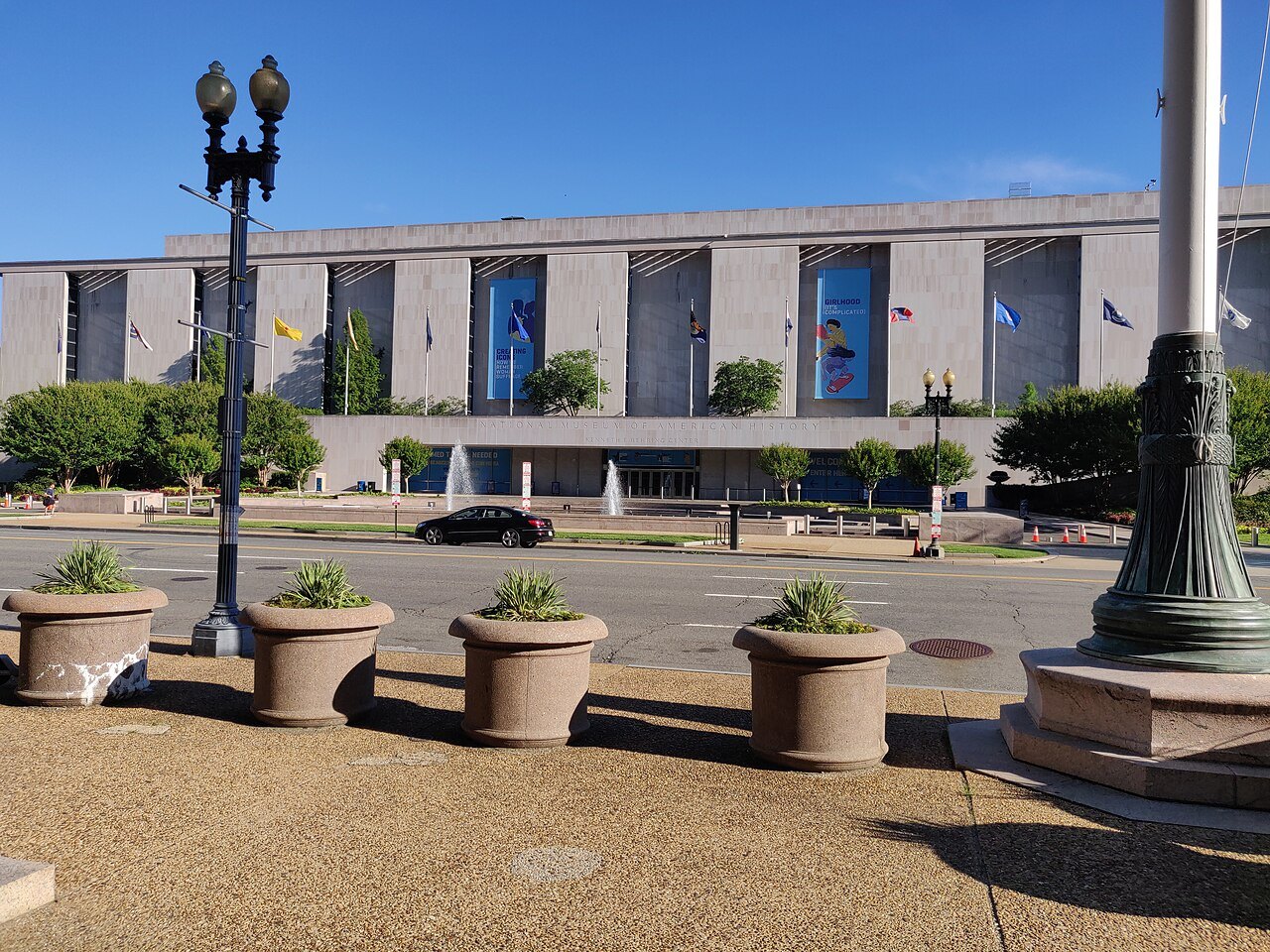
- North sideNational Museum of American HistoryThe nation's attic, home of the original Star-Spangled Banner, opened in 1964 on the north side at 14th Street.
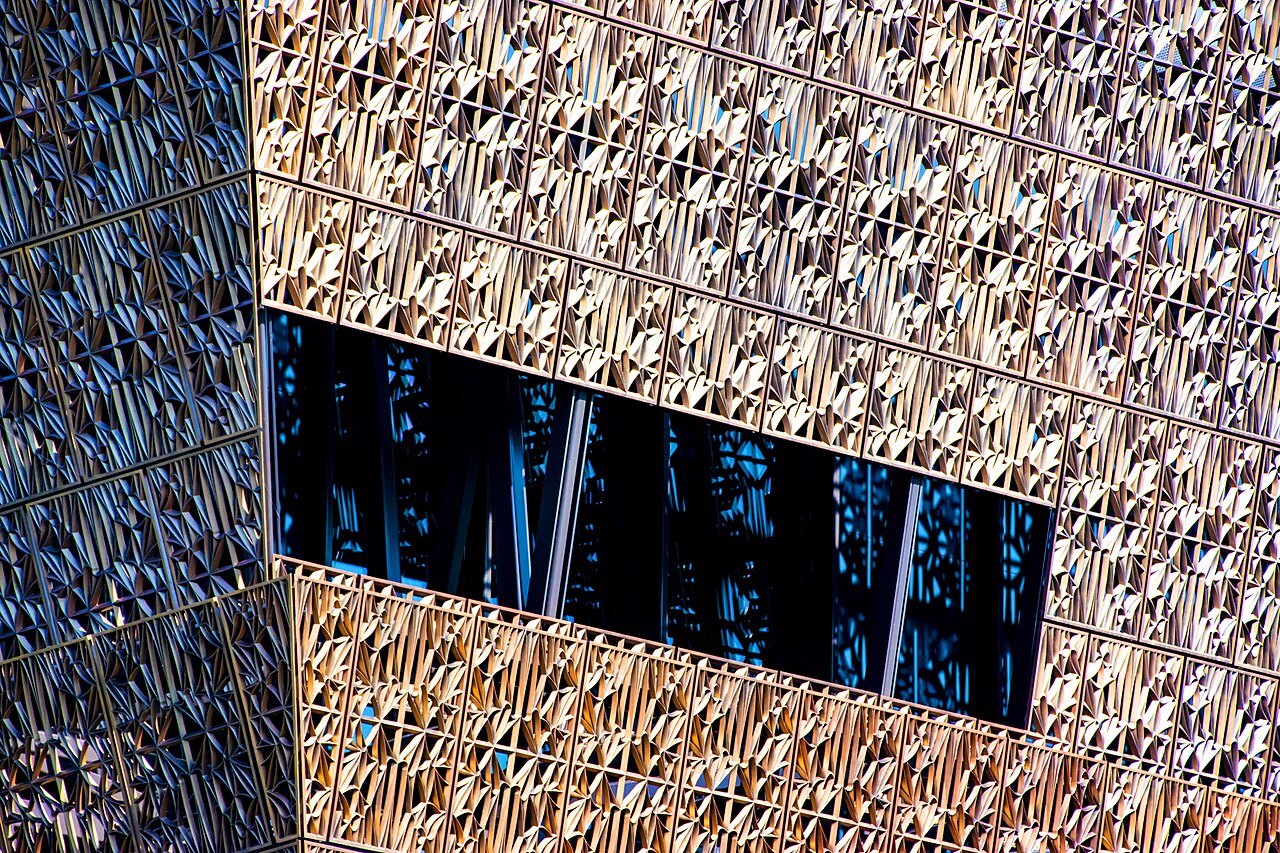
- North sideNational Museum of African American History and CultureThe bronze-screened museum beside the Washington Monument, the newest on the Mall.
- North sideNational Gallery of ArtTwo buildings of European and American art, with the Sculpture Garden, at the Capitol end of the north side.
Capitol · eastThe lawnwest · the Monument
- South sideNational Air and Space MuseumThe Wright Flyer, the Spirit of St. Louis and the Apollo 11 command module, on the south side at 6th Street.
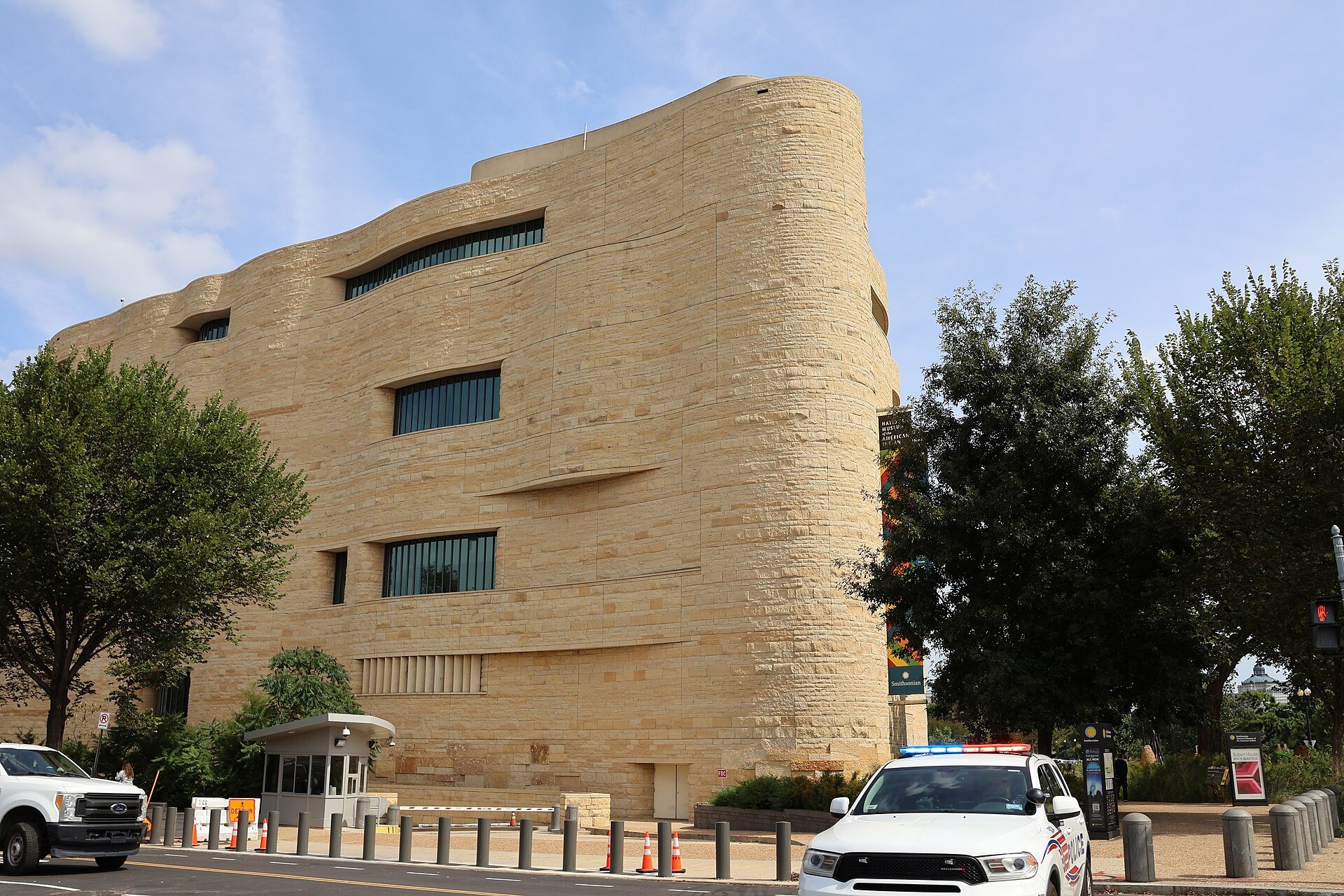
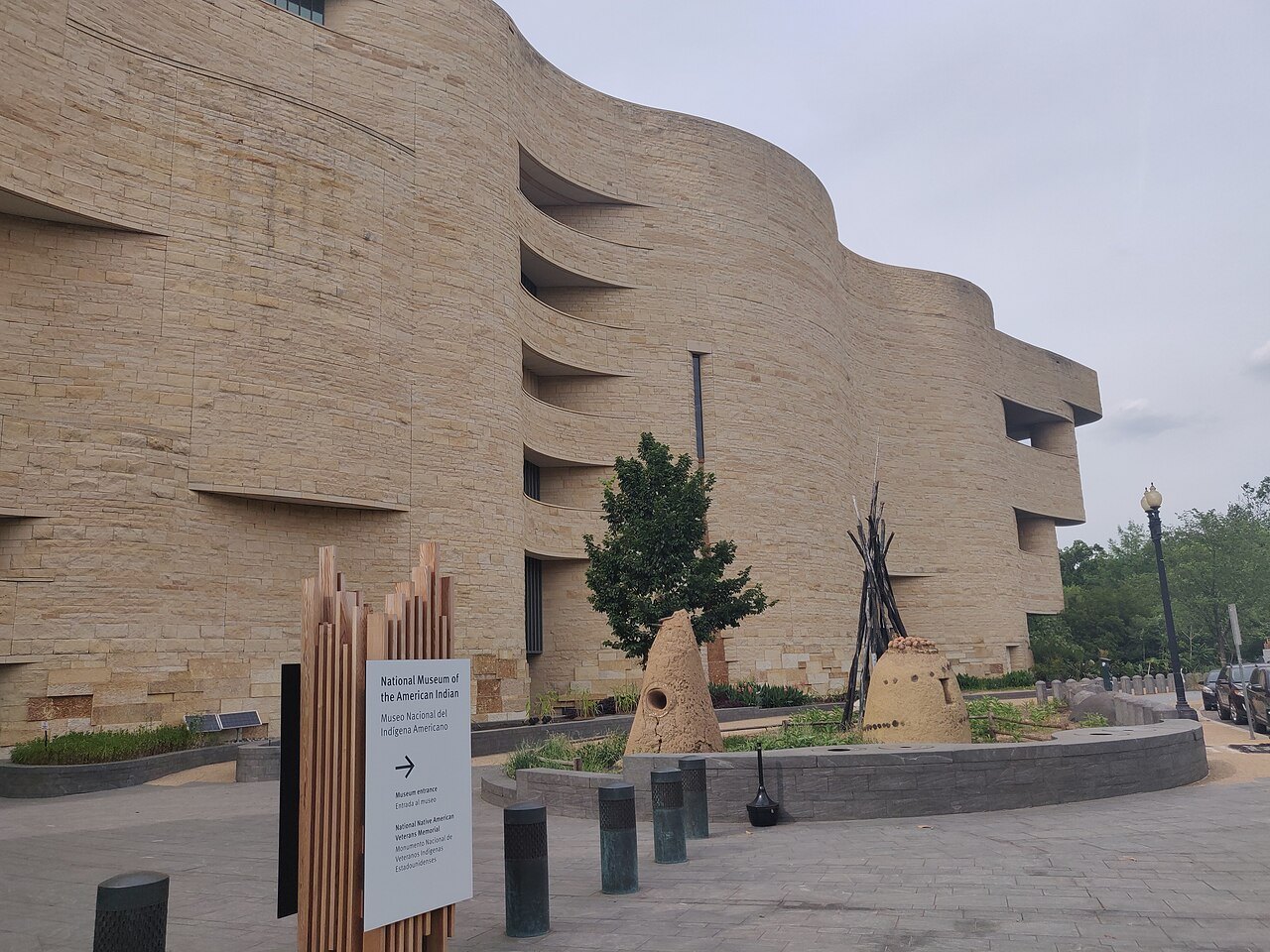
- South sideNational Museum of the American IndianA curving building of golden Kasota limestone by Douglas Cardinal, opened in 2004 below the Capitol.
- South sideHirshhorn Museum and Sculpture GardenModern and contemporary art in Gordon Bunshaft's concrete drum, with a sunken sculpture garden across the Mall.
- South sideNational Museum of Asian ArtThe Freer and Sackler galleries of Asian art, with Whistler's Peacock Room, beside the Castle.
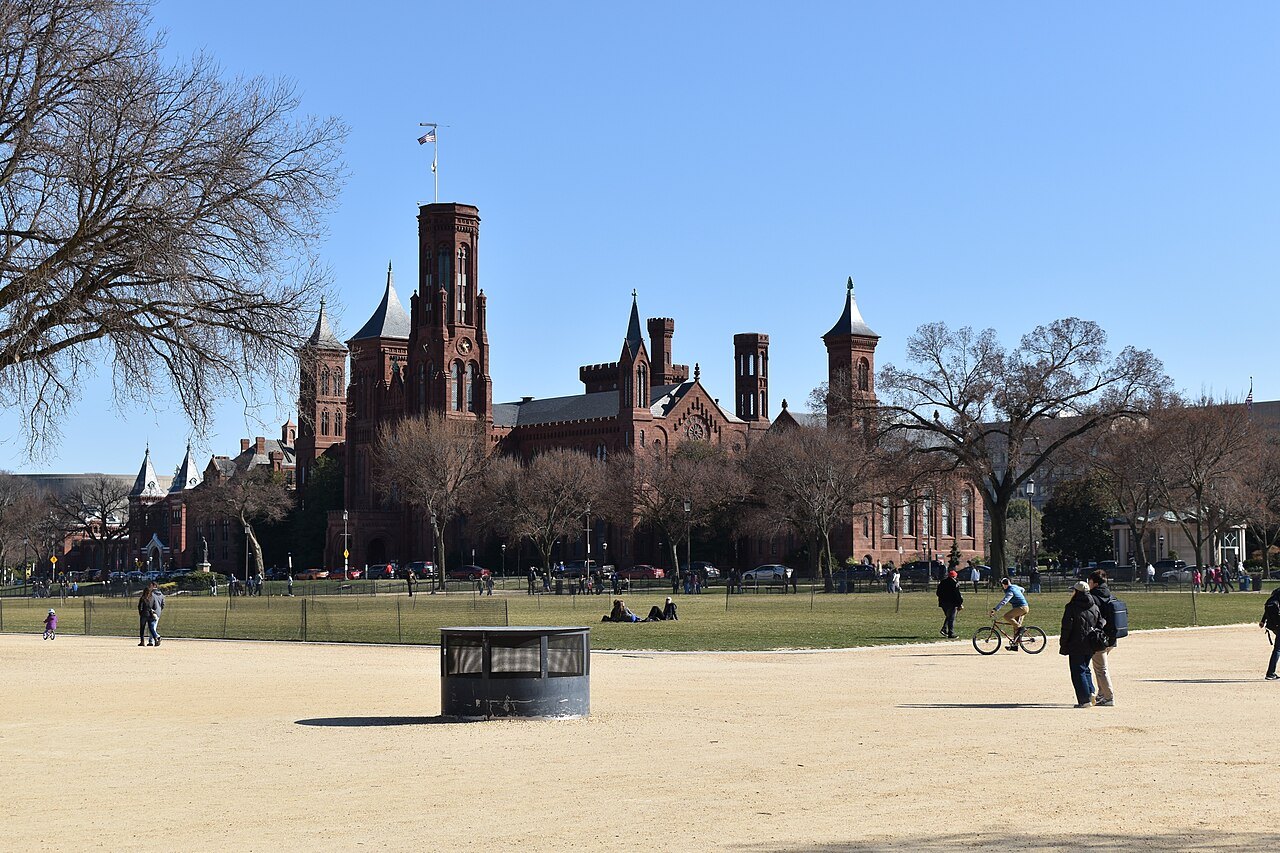
- South sideThe Smithsonian Castle and Arts and Industries BuildingThe Smithsonian's first building, of red sandstone, completed in 1855, and its Victorian neighbor of 1881.
In full02
The Mall
The nation's front yard
The National Mall is the great open space at the heart of Washington: a long lawn running west from the Capitol to the Washington Monument, with the reflecting pools, the memorials and the Lincoln Memorial beyond. It began as the garden-lined grand avenue of L'Enfant's plan and took its present form under the McMillan Plan of 1902 (see the plan). The National Park Service looks after it, and around twenty-four million people visit it each year.
It is many things at once: a park, a museum district, a memorial landscape, and the place where the country gathers for inaugurations, celebrations, festivals and marches. This page covers the museum half, from the Capitol to the Washington Monument. The memorials to the west have their own pages (see the Lincoln Memorial and the war memorials).
How the museums lie
The museums face each other across the lawn along two avenues, Constitution Avenue on the north side and Independence Avenue on the south, from 3rd Street near the Capitol to 15th Street by the Monument. Knowing which side a museum is on saves a surprising amount of walking: the Mall is about three hundred yards across and far longer than it looks, and crossing it in summer heat is tiring.
On the north side, from east to west, are the two buildings of the National Gallery of Art and its Sculpture Garden, the Natural History Museum, the American History Museum and the African American History and Culture Museum. On the south side are the American Indian Museum, the Air and Space Museum, the Hirshhorn, the Arts and Industries Building, the Castle and the Asian art galleries. The Holocaust Memorial Museum stands just south of the Mall on 14th Street.
The Smithsonian
Most of the museums belong to the Smithsonian Institution, founded in 1846 with a bequest from James Smithson, a British scientist, and named after him. It has grown into the largest museum complex in the world, with twenty-one museums, a zoo and research centers, almost all of them free to enter. The National Gallery of Art is separate, a gift of Andrew Mellon, and also free, as is the Holocaust Memorial Museum.
The Smithsonian Castle, the red sandstone building completed in 1855 in the middle of the south side, was its first museum building and houses its offices and information center. A long renovation has closed much of it in recent years, so check before planning a visit indoors. Next door, the Arts and Industries Building of 1881 was closed from 2004 until 2021, when it reopened with a special exhibition, and it opens mostly for temporary shows.
The museums without their own page
The National Museum of American History, opened in 1964 as the Museum of History and Technology, holds the original Star-Spangled Banner, the flag that inspired the national anthem, along with objects from every part of American life, from inventions to entertainment. It is one of the most visited museums in the country and a good choice for families.
The National Museum of the American Indian, opened in 2004, is recognizable at once: a five-storey curving building of golden Kasota limestone designed by Douglas Cardinal to evoke rock shaped by wind and water, set in a landscape of native plants. Inside, the walls are mostly curving surfaces with almost no sharp corners, and its exhibitions cover the Native peoples of the whole hemisphere.
The National Museum of Asian Art is made up of the Freer Gallery and the Arthur M. Sackler Gallery, holding art from East, South and Southeast Asia, the Islamic world, the ancient Near East and Egypt. The Freer also keeps James McNeill Whistler's Peacock Room, a dining room painted in blue and gold, moved whole from London.
The Holocaust Memorial Museum
The United States Holocaust Memorial Museum opened in 1993 between 14th and 15th Streets SW, on a stretch of 15th Street renamed Raoul Wallenberg Place. It tells the history of the Holocaust through its Permanent Exhibition, survivor testimony and archives, and it is among the most powerful museums in the city. Free timed-entry tickets are required for the Permanent Exhibition only; other exhibitions need no ticket. Everyone is screened on entry. The Permanent Exhibition shows atrocity in unflinching detail, so think about it before bringing young children, for whom the museum's exhibition Daniel's Story, told through one boy's eyes, is gentler. In the hexagonal Hall of Remembrance, visitors can light candles by the eternal flame (see booking ahead).
Choosing and pacing
Nobody sees the Mall in a day. Two museums in a day is a sensible pace, three if you are quick, and it helps to pair them by side and theme: Natural History and American History on the north side; Air and Space with the American Indian Museum on the south; the National Gallery with the Hirshhorn and the Sculpture Garden for art. The African American History and Culture Museum needs most of a day on its own, and it often needs passes (see its page).
Every museum screens bags at the door, and the queues are longest in late morning and in spring and summer. Arrive at opening, go to the far end of a big museum first, and keep a picnic or the museum cafes for the middle of the day. The Mall itself has almost no shade and few places to eat: food trucks line the avenues on weekdays, and the museum cafes are the most reliable food on the Mall (see eating and drinking).
Events on the Mall
Because the Mall is the nation's stage, parts of it are regularly taken over by events. The Smithsonian Folklife Festival fills the lawn with tents and performers in summer, the Fourth of July brings a parade and fireworks, the National Cherry Blossom Festival takes over the Tidal Basin in spring, and inaugurations, concerts and marathons close sections for days. Demonstrations are a constant feature of the Mall's life. These can close paths, stations and museum entrances or bring extra security, so check the Park Service's event notices before you go, and plan your routes around big days (see when to come).
Seen on the way03
More photographs
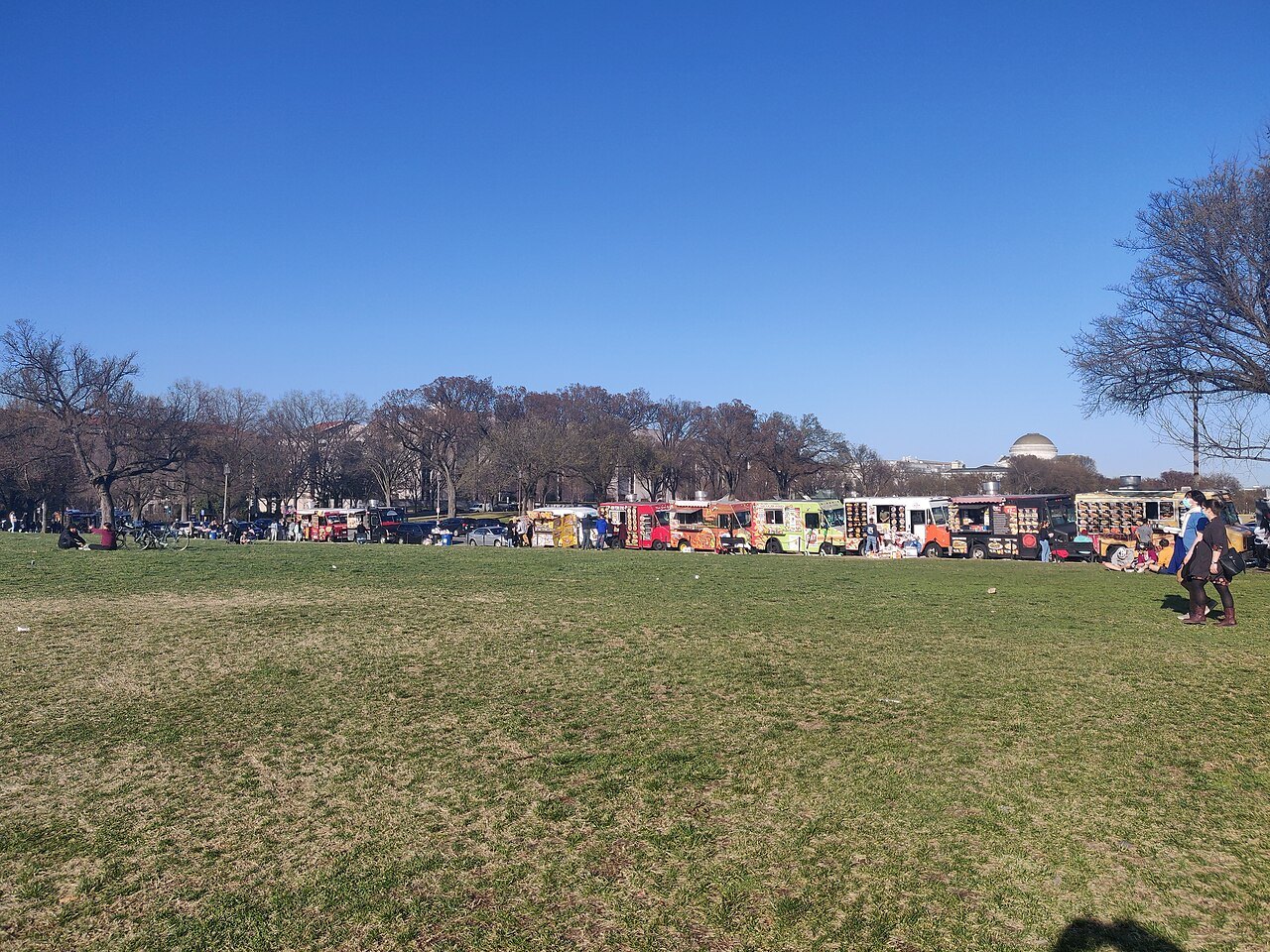
Food trucks lining the Mall on a sunny afternoonKurt Kaiser, Wikimedia Commons, CC0