Home · When to Come
The year01
Month by month
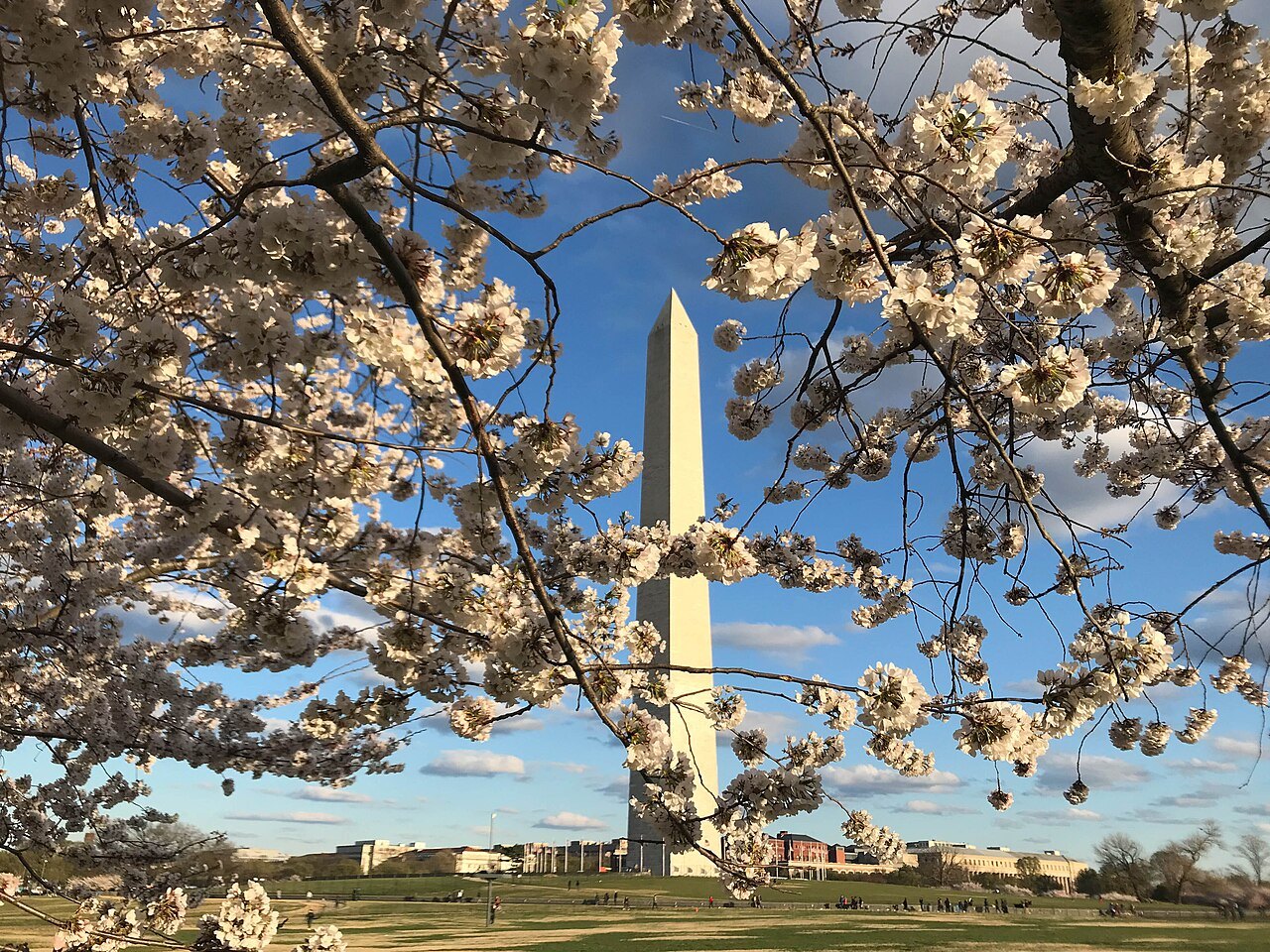
- JanuaryCold and quiet, with the occasional snowstorm. Museums are calm. Every fourth year, the presidential inauguration on the 20th takes over the Capitol and the Mall.
- FebruaryOften the coldest-feeling month and among the quietest for visitors; a good time for the museums and the Library of Congress.
- MarchWarming unevenly. The National Cherry Blossom Festival begins, and in some years peak bloom arrives by the end of the month.
- AprilCherry blossom time around the Tidal Basin in most years, followed by the dogwoods and azaleas; the busiest weeks of the year.
- MayWarm, green and full of school groups. Memorial Day weekend brings ceremonies at the memorials and the start of summer.
- JuneHot and increasingly humid. The Smithsonian Folklife Festival fills the Mall for two weeks around the Fourth of July.
- JulyThe hottest month, with afternoon thunderstorms. The Fourth brings a parade and fireworks over the Mall, and huge crowds.
- AugustHeavy heat and humidity, with Congress usually away; a slow month in the government city, busy with families.
- SeptemberStill warm but easing, with crowds thinning after the summer. The remnants of a hurricane can bring a wet day or two.
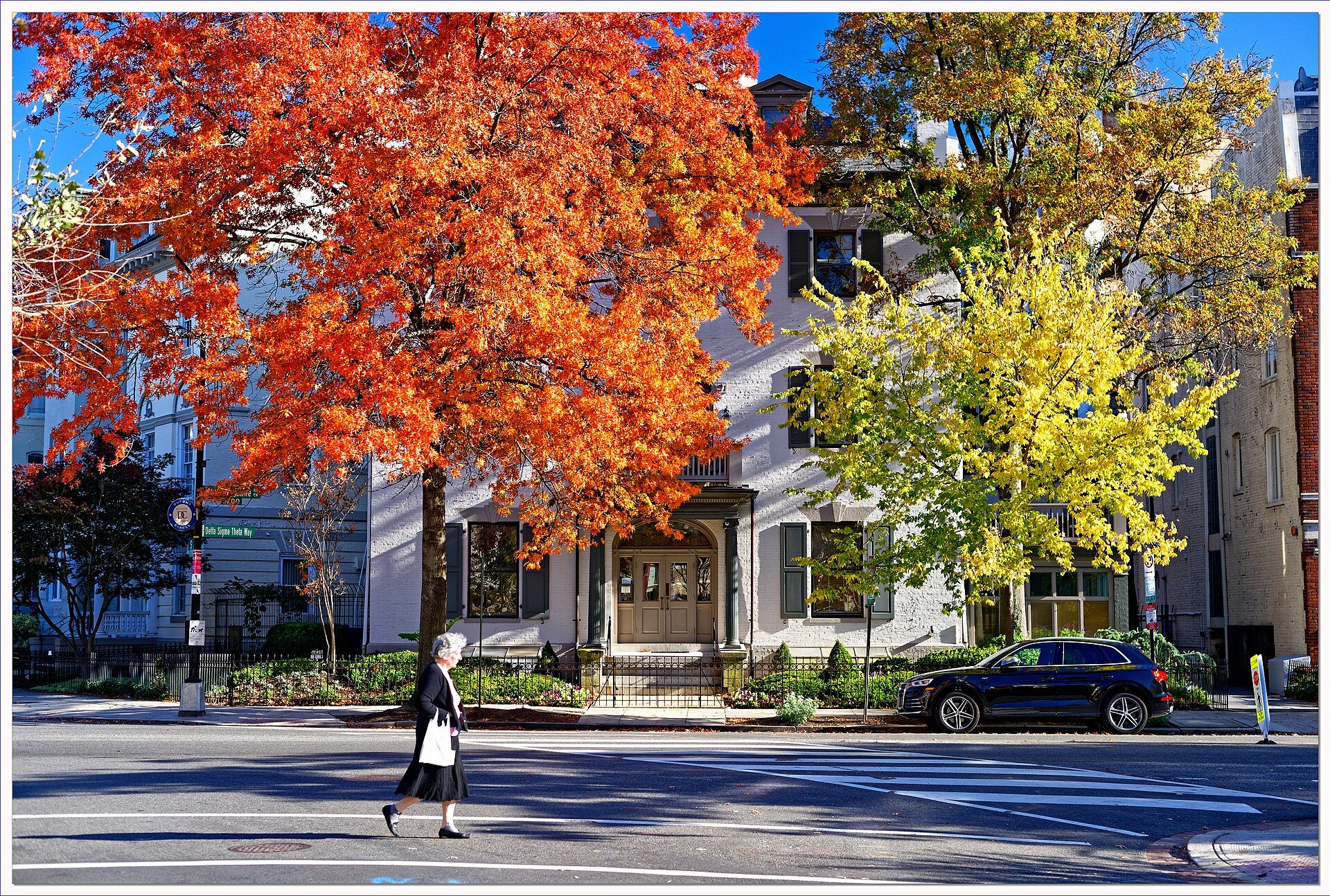
- OctoberOften the best month: mild days, clear light and the leaves turning in Rock Creek Park. The Marine Corps Marathon runs on the last Sunday.
- NovemberCool and calm, with the last color early in the month; Veterans Day ceremonies at the memorials, and the first frosts.
- DecemberChilly, with the National Christmas Tree lit on the Ellipse by the White House; quiet between the holidays apart from families.
In full02
When to Come
A city of four seasons
Washington's climate is humid subtropical: hot, sticky summers, chilly winters with some snow, and two long, pleasant seasons between. Rain falls throughout the year. For a visitor the difference between the seasons is less about which sights you can see, since almost everything runs all year, than about how pleasant the long walks on the Mall are, and how many other people are making them with you.
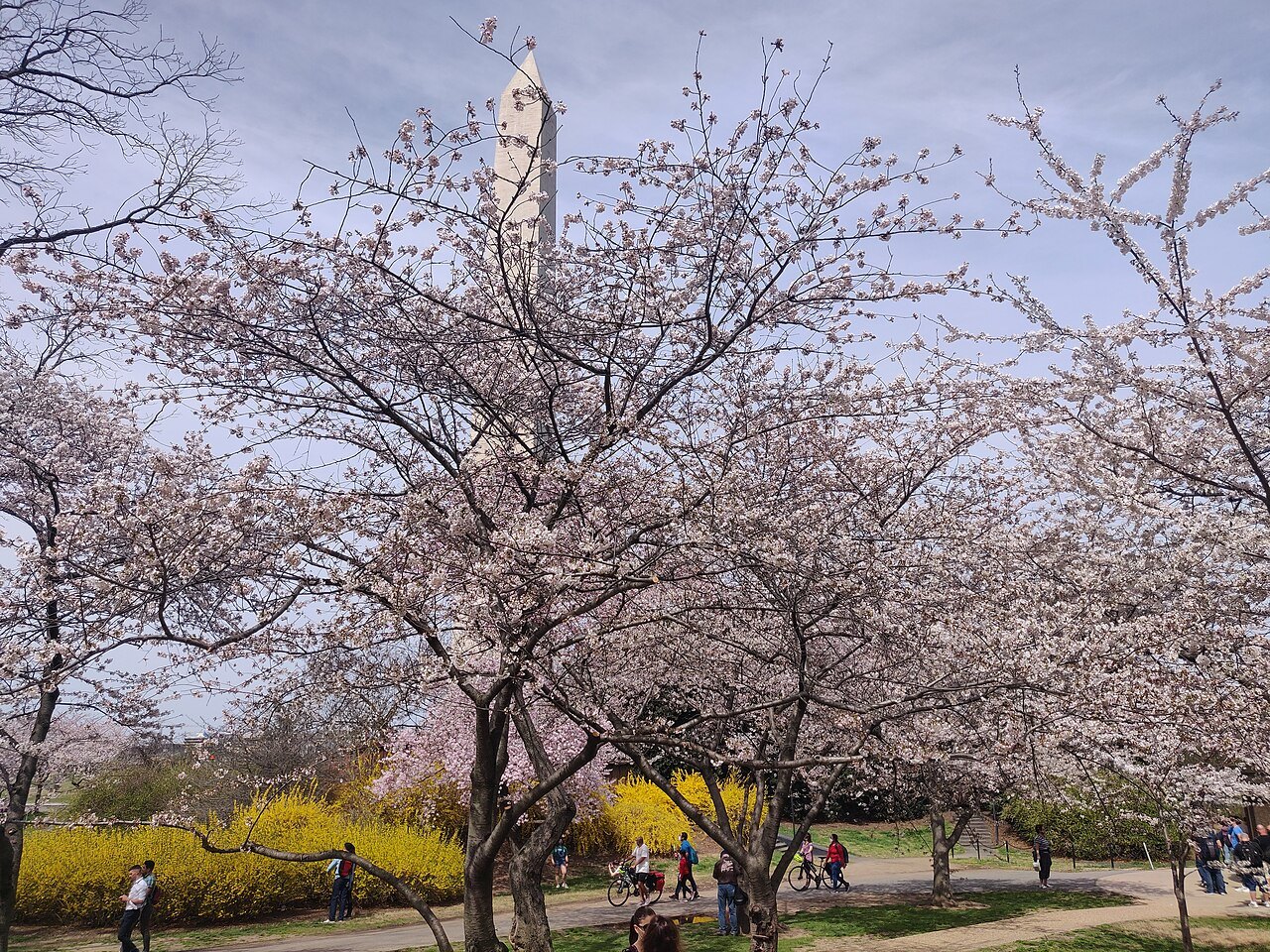
The best times, for most visitors, are spring and fall: from late March into May, and from mid-September into early November. Spring has the blossoms and the biggest crowds; fall has the best walking weather and fewer school groups. Summer is the season of families and festivals, and winter is the time to have the museums nearly to yourself.
Spring and the cherry blossoms
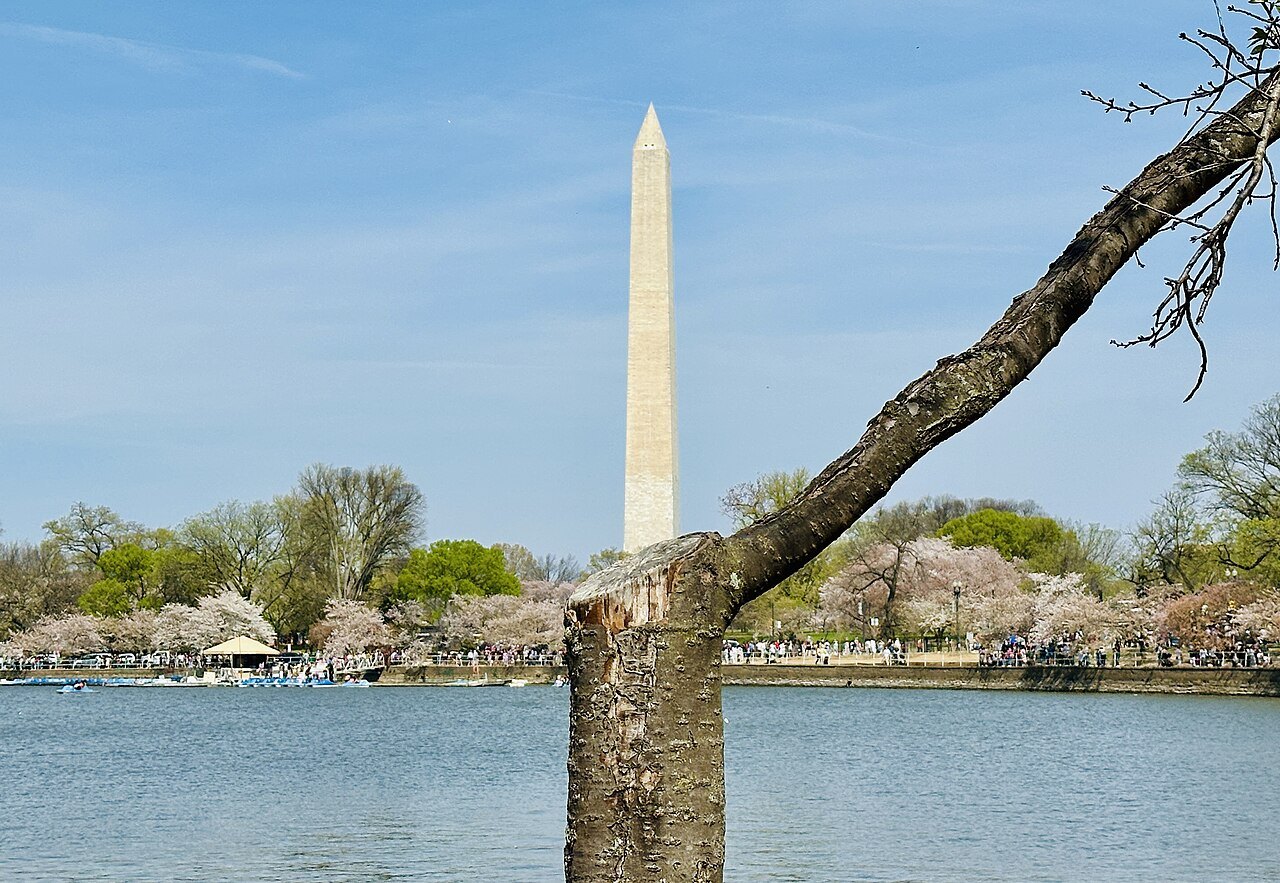
The cherry trees around the Tidal Basin were a gift from the mayor of Tokyo, Yukio Ozaki, in 1912, and the National Cherry Blossom Festival marks the gift every spring with events across the city and a parade with floats, marching bands and giant balloons. The blossoms themselves last only a short time, and the date moves with the weather from year to year, from late March to mid-April, so watch the Park Service's forecast of peak bloom rather than planning around a fixed date (see the Tidal Basin).
Those weeks are the busiest of the year. Hotels fill and rise in price, the Tidal Basin paths are packed shoulder to shoulder at weekends, and school groups fill the museums through April and May. To see the trees at their best, go at first light, when the paths are quiet and the sun rises behind the Jefferson Memorial. Book passes for the Monument and the Library early (see booking ahead).
Summer
Summers are hot and humid, with a July daily average around 80°F, heat indices that approach 100°F at the height of the season, and frequent afternoon thunderstorms. The city averages more than a month of days at or above 90°F. The Mall has little shade and its paths are gravel and open lawn, so the heat matters more here than in most cities.
Summer is also the season of the Smithsonian Folklife Festival, held on the Mall for two weeks around the Fourth of July since 1967, free and attracting over a million visitors, and of the Fourth itself, with a parade and a large fireworks show over the Mall in the evening. Plan the day around the heat: museums in the middle of the day, memorials in the early morning and evening, water always with you.
Fall
From mid-September the heat eases, and October is often the finest month of the year: warm days, cool nights, clear light and the leaves turning in Rock Creek Park and along the Potomac. It is the best time to walk the whole Mall, to cycle the river paths and to visit Georgetown and the cathedral. The Marine Corps Marathon, held on the last Sunday in October, runs through the city and Arlington and closes roads on the day.
Late summer and early fall can bring the remnants of hurricanes, usually weakened by the time they reach the city, and the Potomac can flood low parts of Georgetown after heavy rain.
Winter
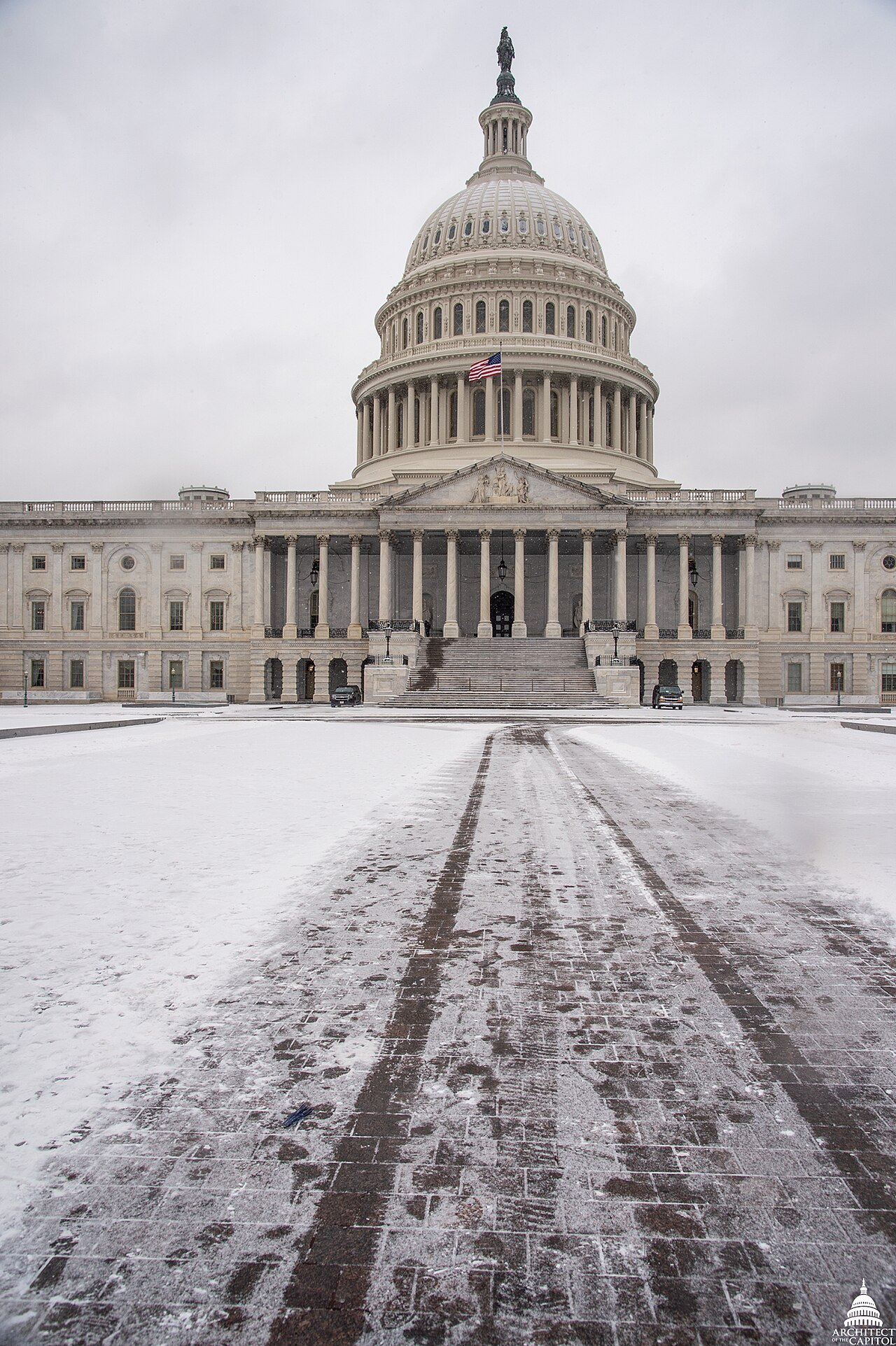
Winters are chilly rather than harsh, with the first freezing nights usually in November and the last in late March. Snow comes some years and not others; a real blizzard hits every few years, and when it does, the federal government can shut and the city slows down. The Mall under snow is beautiful, but pack for wind.
It is the quiet season. Outside the holidays, the museums are calm and the lines short, and the National Christmas Tree, decorated each year since 1923, stands on the Ellipse near the White House through December. Every fourth January the inauguration of the president brings huge crowds, closed streets and heavy security to the Capitol and the Mall for several days around the 20th, so book early or come another week.
Congress and the calendar
Washington runs on the government's calendar as well as the weather's. When Congress is in session, the Capitol is busiest, and the House and Senate galleries can be visited with passes from your representative or senators; in the long recess in August, the city feels emptier and hotels can be easier to find. Federal holidays, such as Memorial Day, the Fourth of July and Veterans Day, bring ceremonies at the memorials and large crowds on the Mall.
Big events, demonstrations and state occasions can close streets, stations and sites at short notice at any time of year. Check the official pages before you go, and keep a flexible day in your plans.
The time of day
In Washington the hour matters almost as much as the month. The memorials never close, and many of them are finest early in the morning, when the light comes low across the Tidal Basin and the paths are empty, or after dark, when the Lincoln Memorial, the Monument and the Capitol dome are lit and the air has cooled. In summer, the long evenings make a second sightseeing day after the museums have shut.
The museums fill from late morning, when the school groups and tour buses arrive, and are quietest at opening and in the last hour or so. A good daily rhythm, in any season, is a memorial or a walk first thing, museums through the middle of the day, a rest in the late afternoon and the memorials again at dusk. In winter, when darkness comes early, the lit monuments are easy to see before dinner.
Choosing your dates
For a first visit with good weather and manageable crowds, choose mid-September to early November, or May after the school groups thin. For the blossoms, come in late March or early April and accept the crowds, and plan around the forecast rather than the festival dates. For empty museums and low hotel rates, come in January or February. Avoid the Fourth of July and inauguration weeks unless you are coming for them.
Seen on the way03
More photographs
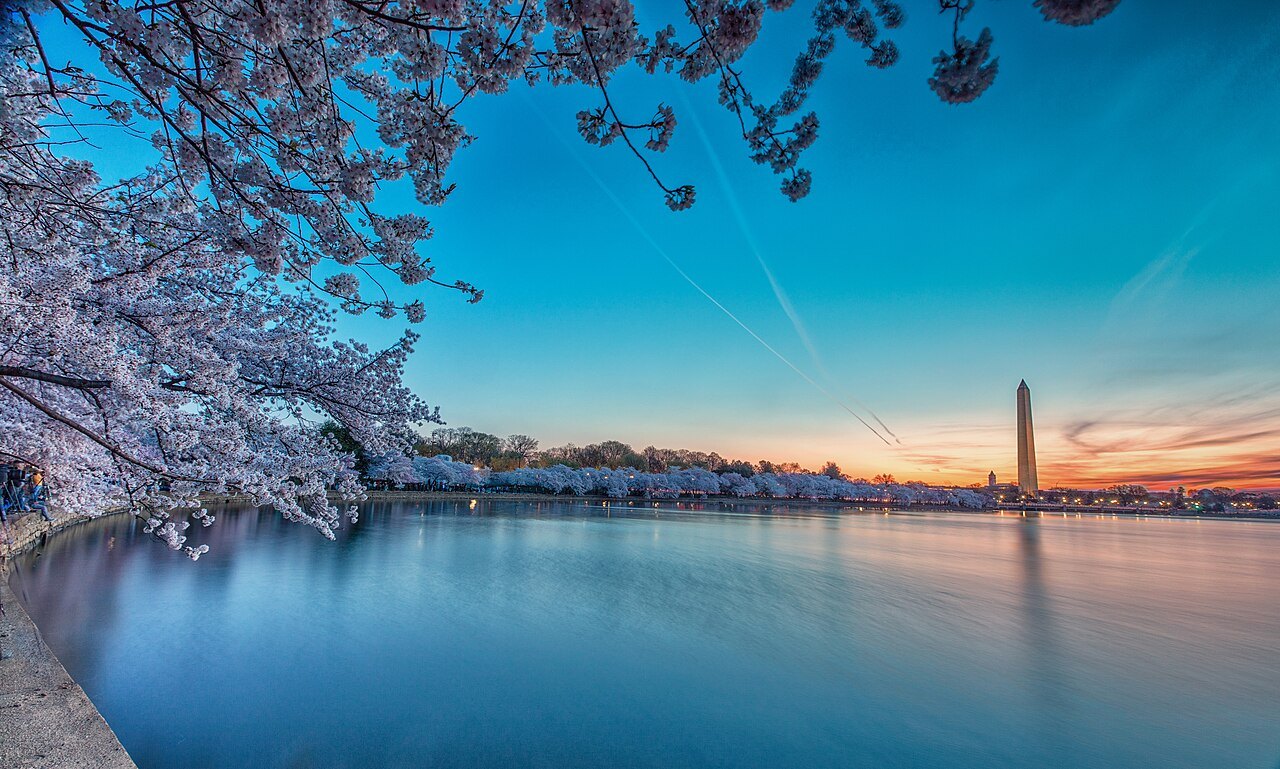
Cherry blossom over the Tidal Basin at sunset, the Monument on the horizonDebojyotilahiri, Wikimedia Commons, CC BY-SA 4.0 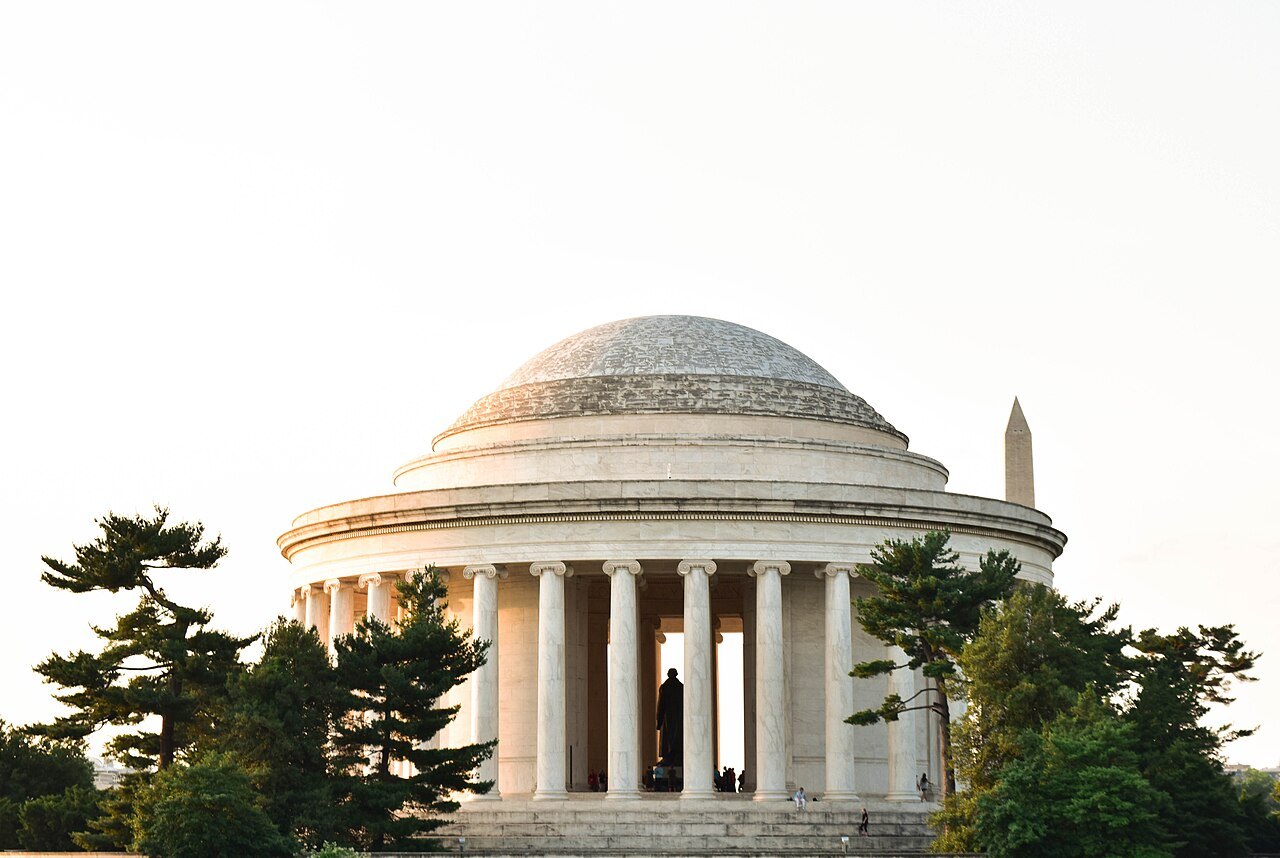
The Jefferson Memorial on a summer evening, the Monument's tip beyond the domeClynnwersch, Wikimedia Commons, CC BY-SA 4.0 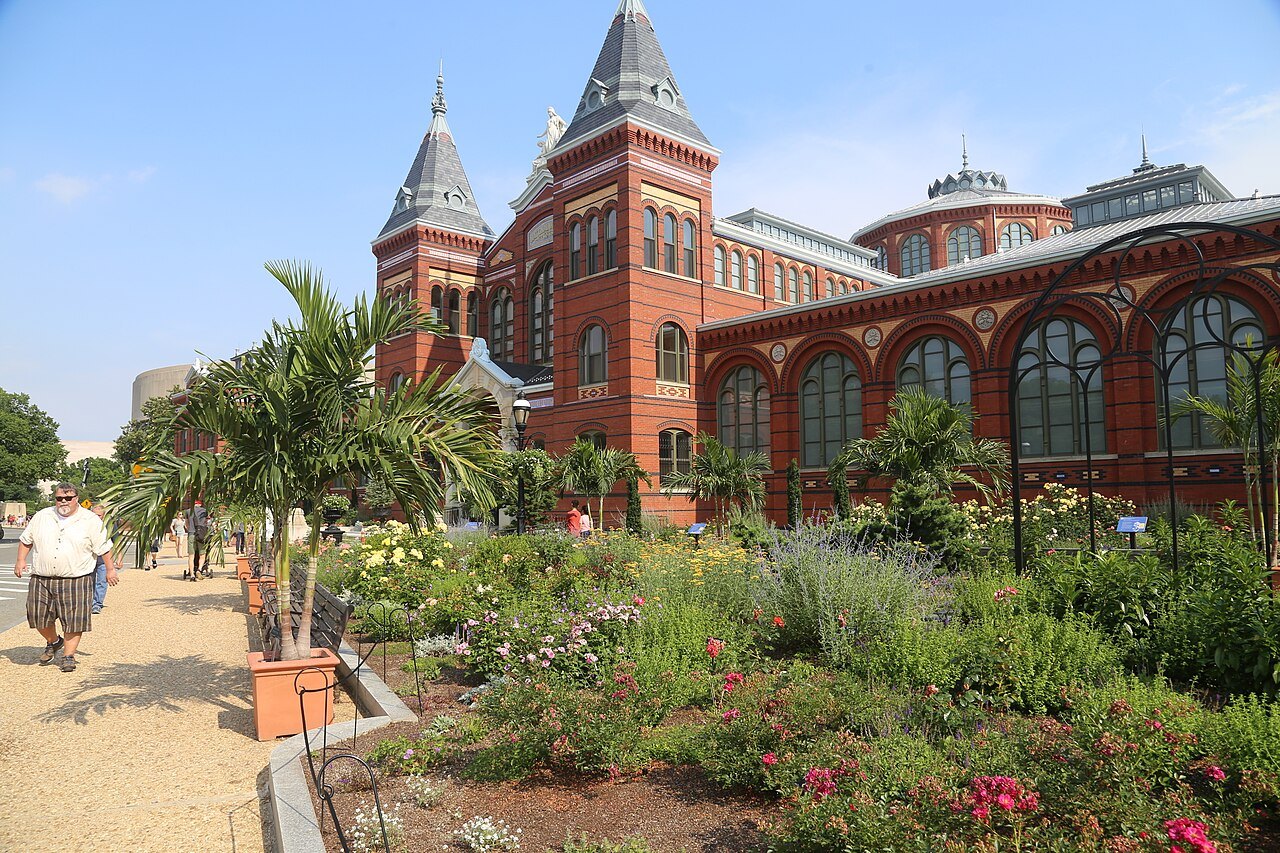
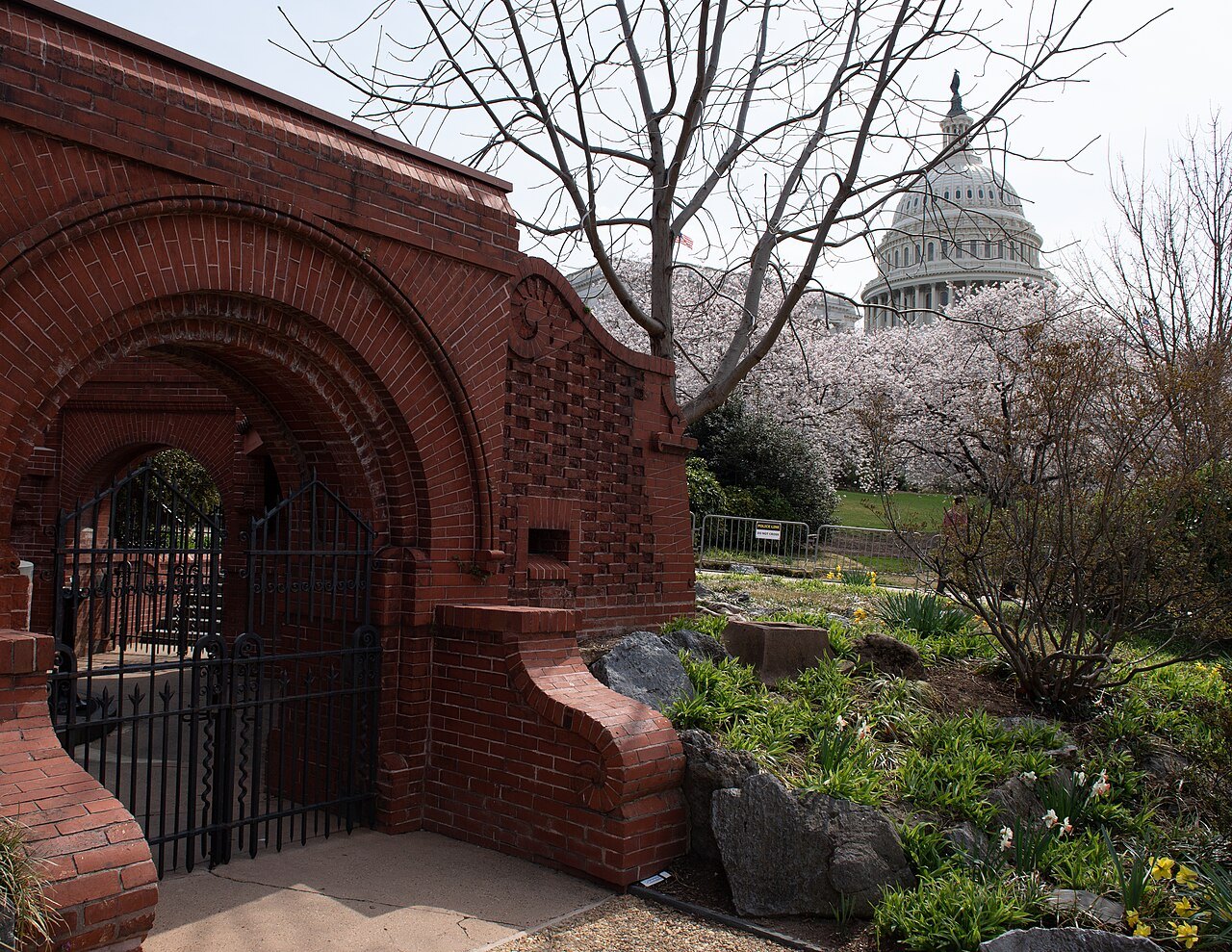
The Arts and Industries Building and the Haupt Garden's summer plantingsRealtimeAI, Wikimedia Commons, CC BY-SA 4.0