The plan1791
Four quadrants, two rivers, one axisFind the quadrant, follow the diagonal, walk the axis.
A district between two rivers
Washington is the capital of the United States and its only federal district, officially the District of Columbia. It stands on the north-east bank of the Potomac River, across from Virginia, with Maryland on its other three sides, and covers about 68 square miles, split by the Anacostia River into the city proper and the neighborhoods east of it. About 690,000 people lived here in 2020, in 131 neighborhoods (where to stay). None of the three airports that serve the city is inside it — two are in Virginia and one in Maryland (getting here) — and on the ground you get around on a Metro that runs mostly deep underground in the District.
A plan before a city
The Nacotchtank lived where the Anacostia meets the Potomac when Europeans arrived. The Residence Act of July 16, 1790 placed the new capital on the Potomac, and in 1791 Pierre Charles L'Enfant drew its plan: broad avenues radiating across a grid, four quadrants meeting at the Capitol, and a grand avenue that became the Mall. Congress first sat here in November 1800. The plan still decides every address, which is why the plan has a page of its own. Begin with the sights; Arlington, Alexandria and Mount Vernon are across the river in Virginia (day trips).
The weather, the table and the tickets
Summers are hot and humid and winters chilly, with some snow, and every spring the cherry trees flower round the Tidal Basin (when to come). Most museums on the Mall are free, but the Capitol tour, the White House and some busy days need planning (booking ahead). The city has its own table, from the half-smoke to its Ethiopian restaurants (eating and drinking), and an itinerary for every length of stay.
- The United States Capitol
- The Library of Congress and the Supreme Court
- Union Station
- The National Archives
- The National Gallery of Art
- The National Museum of Natural History
- The National Museum of African American History and Culture
- The National Air and Space Museum
- The Hirshhorn Museum and Sculpture Garden
- The Washington Monument
- The World War II, Korean War and Vietnam Memorials
- The Lincoln Memorial and the Reflecting Pool
- The Tidal Basin and the Jefferson Memorial
- The White House and Lafayette Square
- The National Portrait Gallery and the Old Patent Office
- Georgetown and the C&O Canal
- Washington National Cathedral
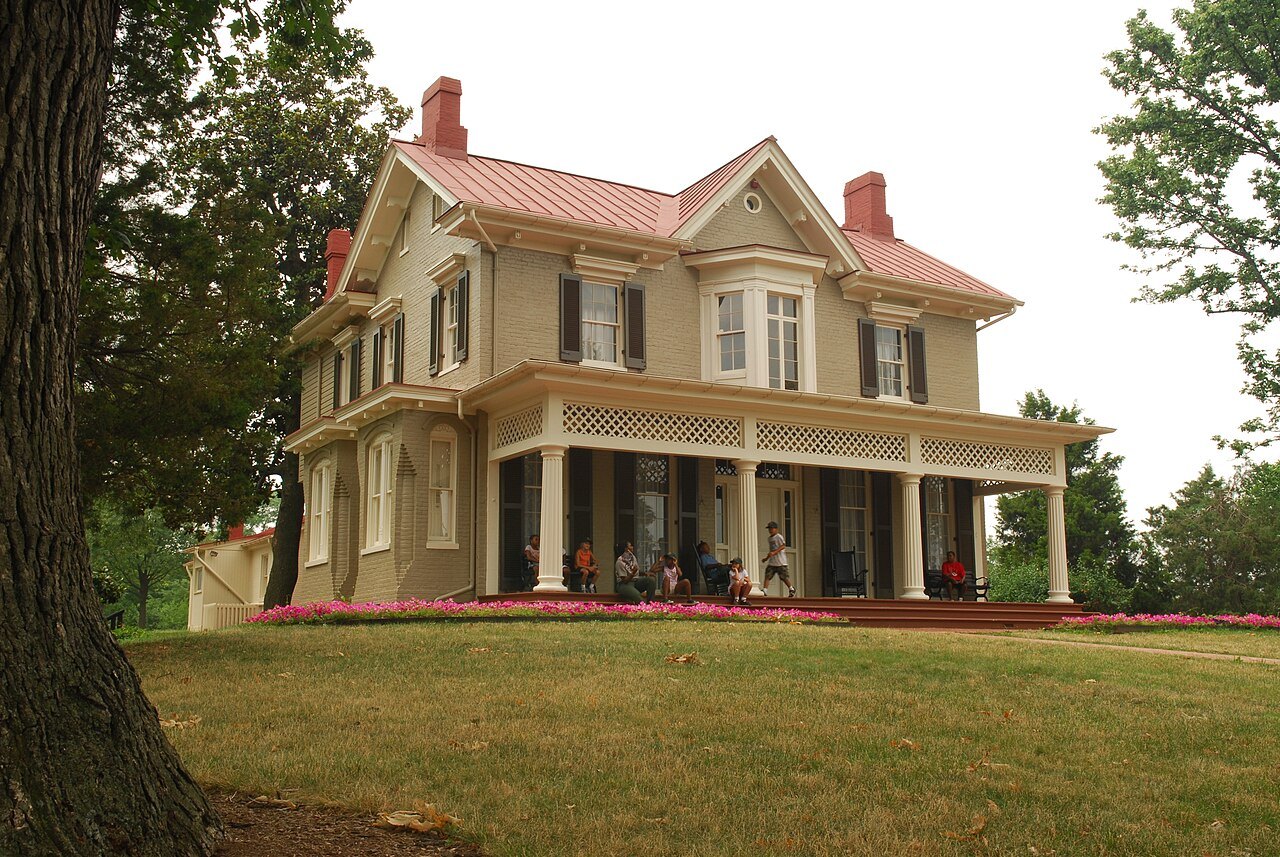
- Cedar Hill, the Frederick Douglass House
East to west6
A walk through the city
West down the Mall from the Capitol to the Lincoln Memorial, then south to the water: six stops on one straight line and a turn, with the Monument at the crossing of the two axes.
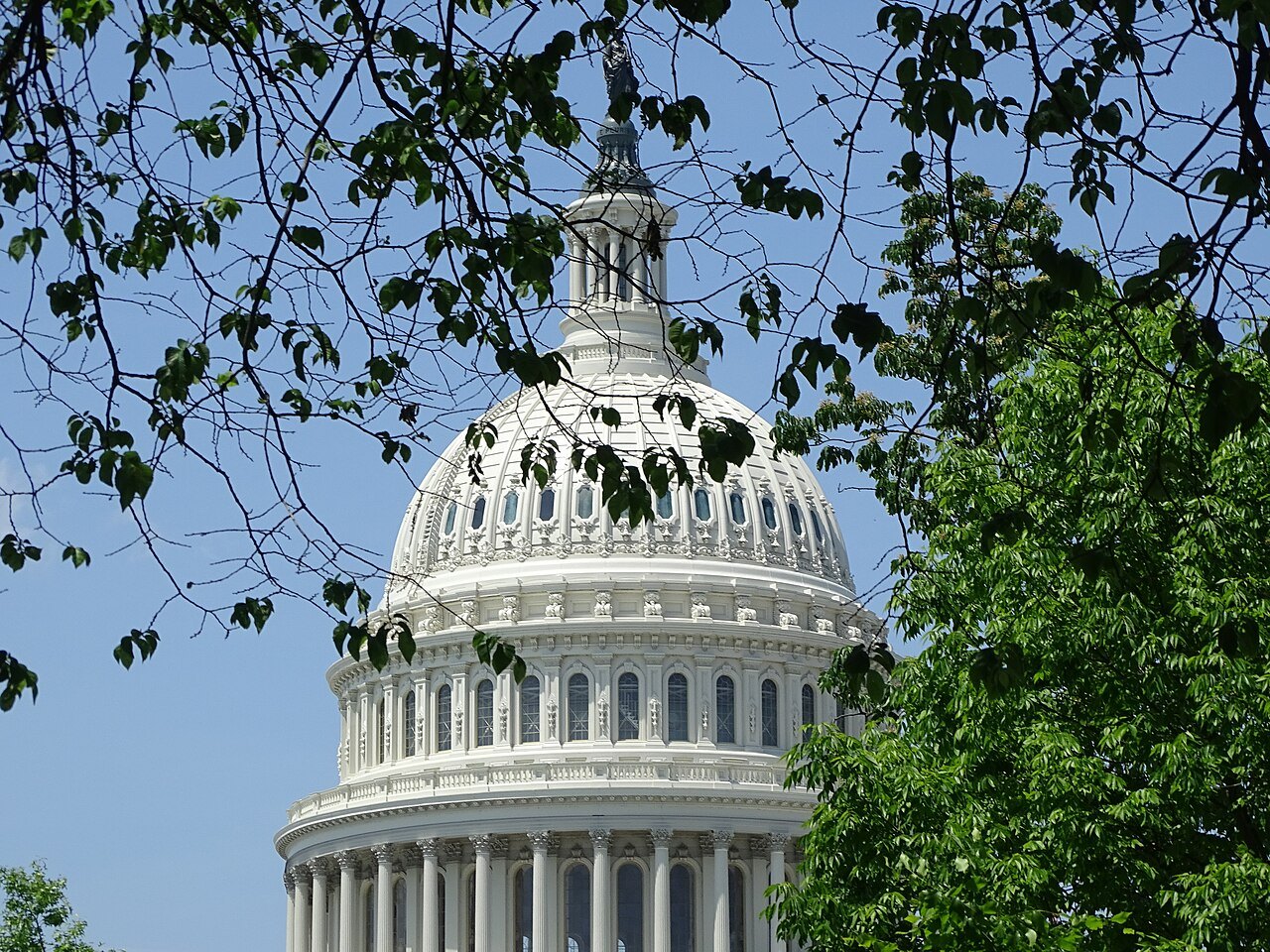
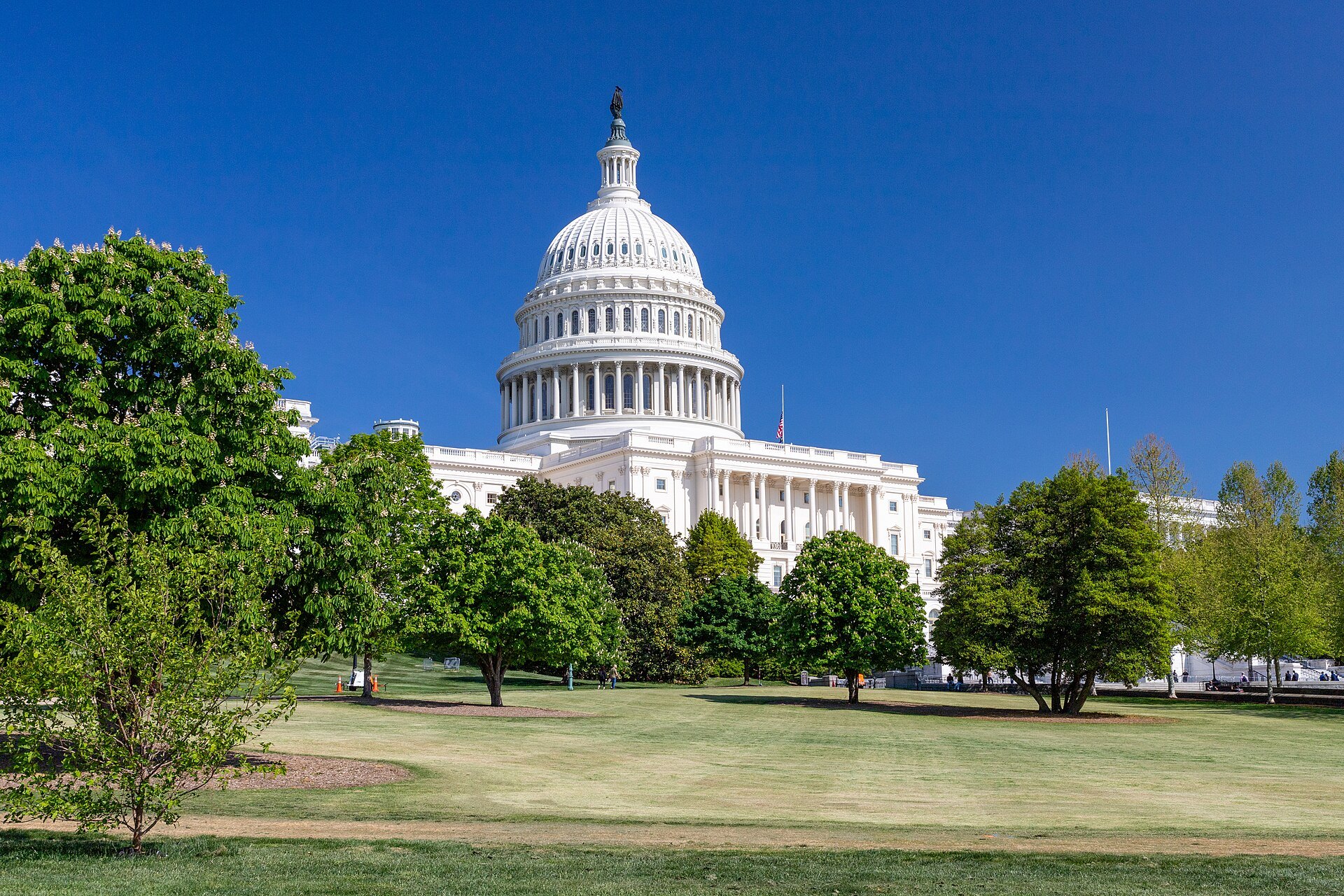
The Capitol dome framed by trees, the Statue of Freedom on topAdam Jones from Kelowna, BC, Canada, Wikimedia Commons, CC BY-SA 2.0 East end of the Mall · the zero pointThe dome at the east end
Start on Capitol Hill at the United States Capitol, where Congress has sat since November 1800 under a cast-iron dome finished around 1866. It is also the origin of the city's addresses: the four quadrants meet here, and every street number counts the blocks away from it.
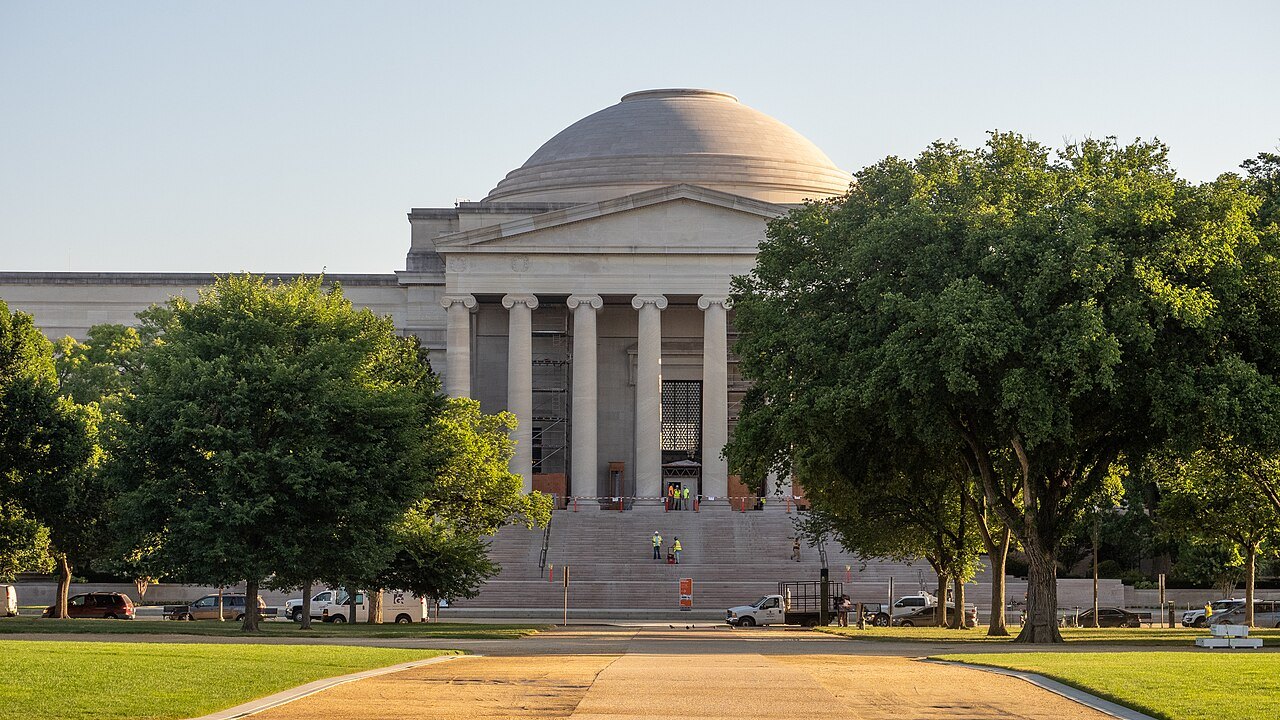
The West Building of the National Gallery of Art, its dome behind a portico of columnsajay_suresh, Wikimedia Commons, CC BY 2.0 Constitution Ave · 4th St NWThe galleries on the north side
Walk west along the north side of the Mall to the National Gallery of Art, free since it opened in 1941: John Russell Pope's domed West Building, and I. M. Pei's East Building of 1978, joined to it underground.
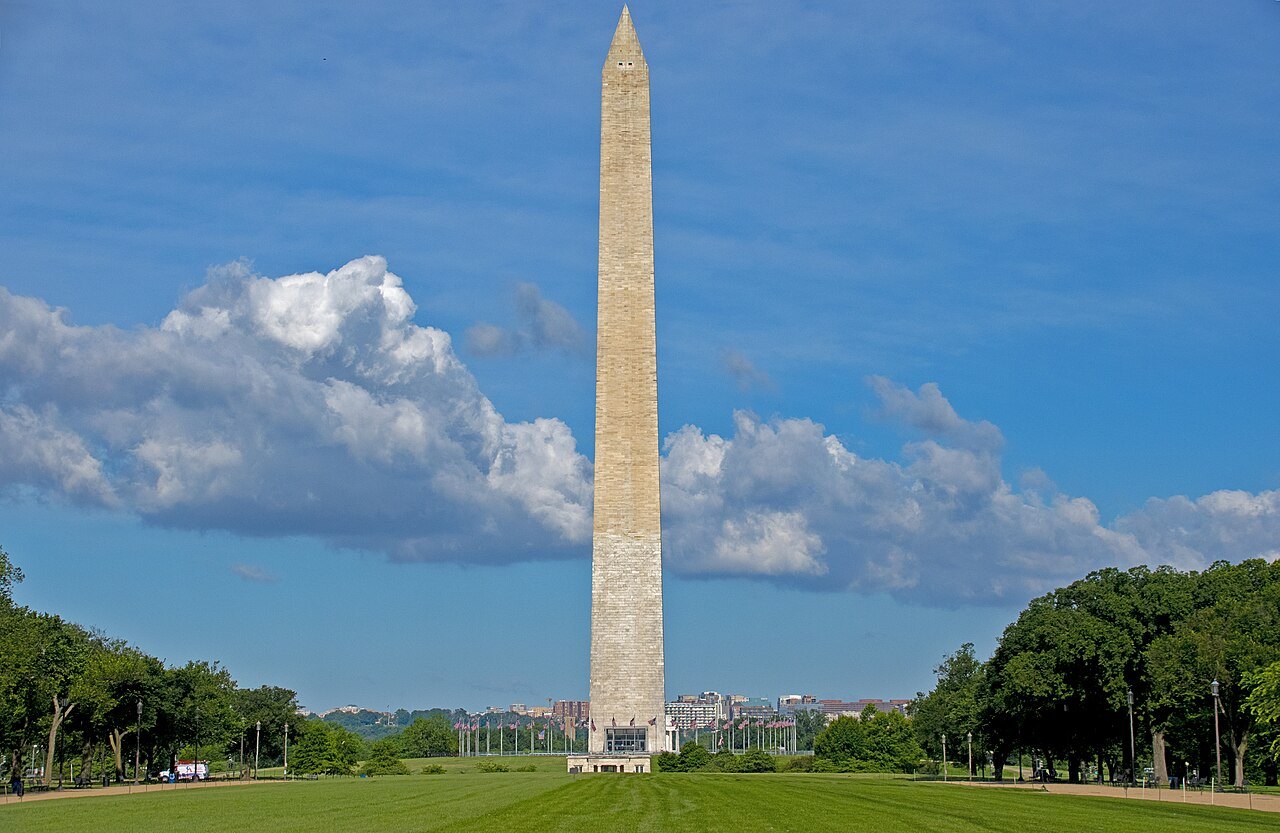
The Washington Monument from the lawn of the Mall, under a blue skyRon Cogswell from Arlington, Virginia, USA, Wikimedia Commons, CC BY 2.0 The Mall · 15th StThe obelisk at the crossing
About a mile and a quarter from the Capitol steps stands the Washington Monument, a 555-foot obelisk faced in three kinds of white marble, because the building was stopped and restarted. It stands where the Mall's axis crosses the line from the White House to the Jefferson Memorial.
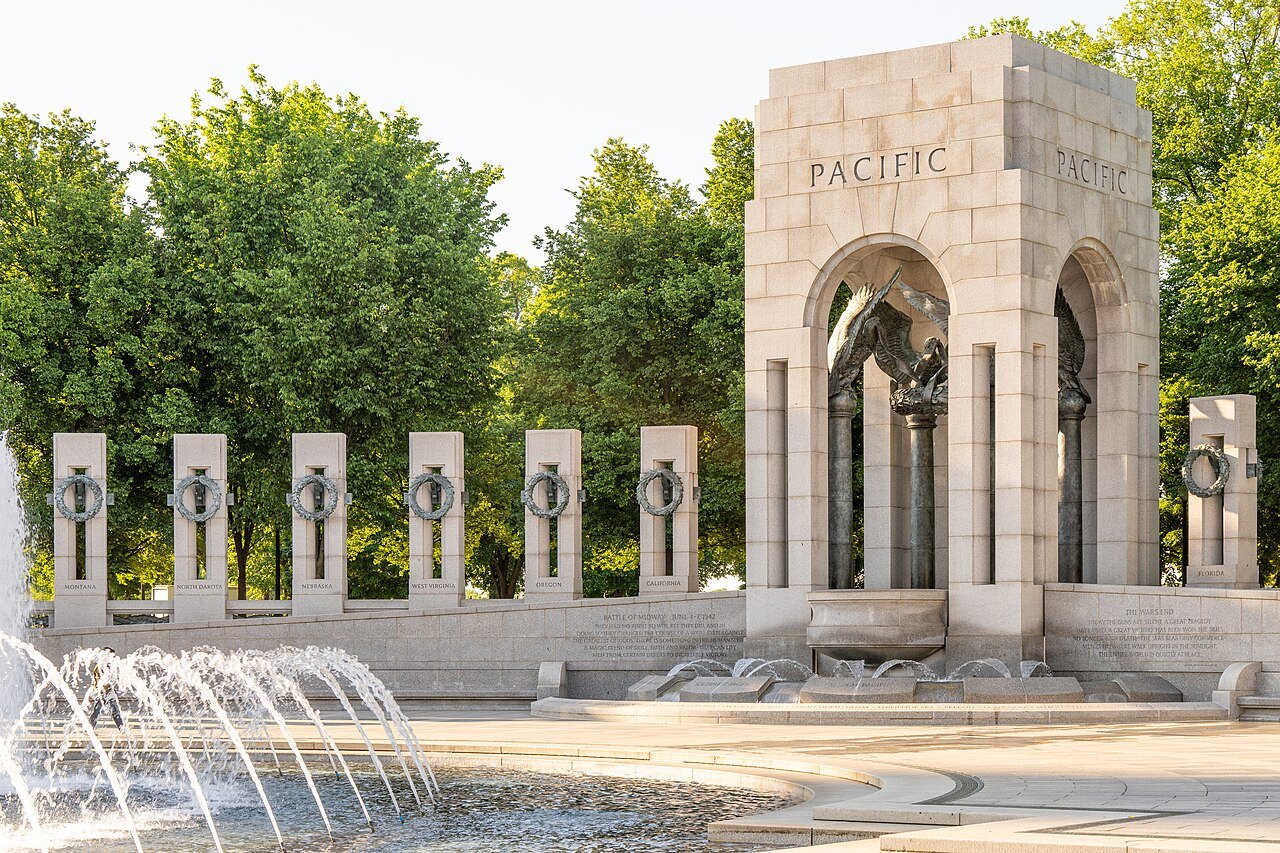
The Pacific Arch of the World War II Memorial, with the state pillars and the fountainajay_suresh, Wikimedia Commons, CC BY 4.0 17th St · Constitution GardensThe oval at 17th Street
Just west, the World War II Memorial: fifty-six granite pillars and two small arches, for the Atlantic and the Pacific, round an oval plaza and fountain. The Korean War and Vietnam memorials lie on either side of the Reflecting Pool beyond it.
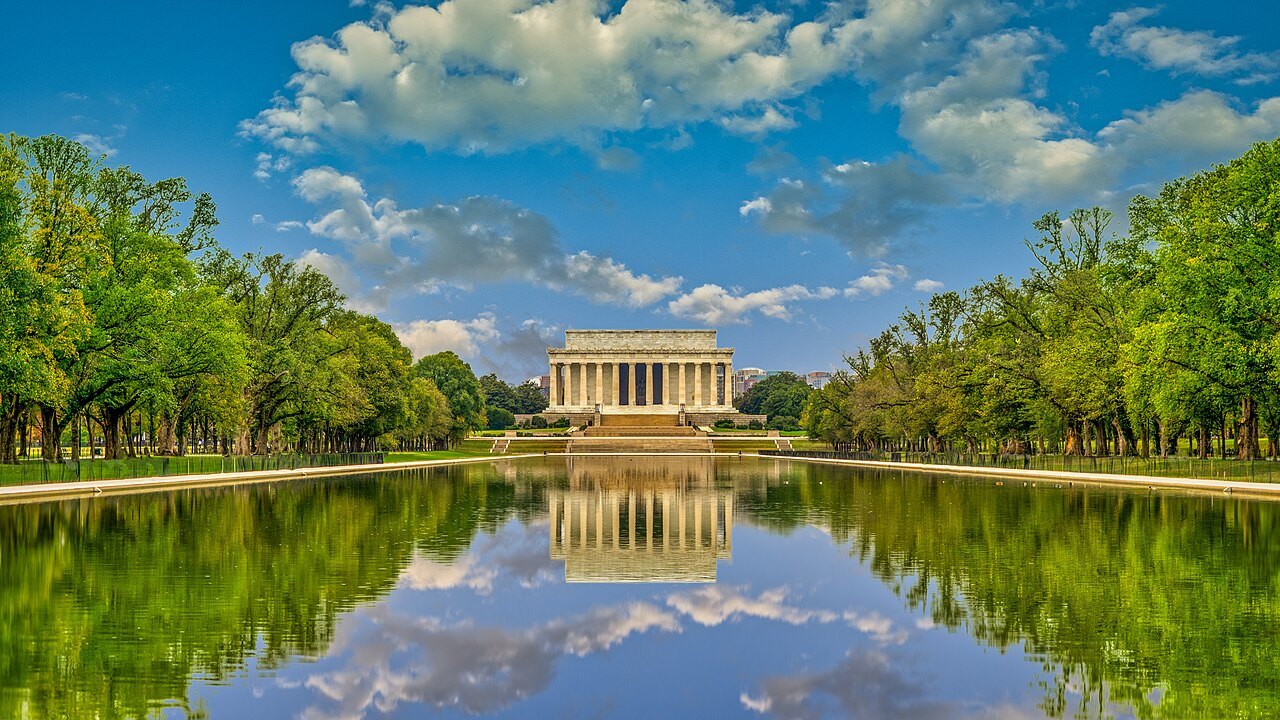
The Lincoln Memorial at the end of the Reflecting Pool, doubled in the waterPierre Blaché from Paris, France, Wikimedia Commons, CC0 West end of the Mall · 23rd StThe temple at the west end
At the far end of the Reflecting Pool, the Lincoln Memorial, Henry Bacon's Doric temple of 1922, round Daniel Chester French's statue, enlarged to nineteen feet so the chamber would not overwhelm it. On its steps, on August 28, 1963, Martin Luther King Jr. gave the "I Have a Dream" speech.
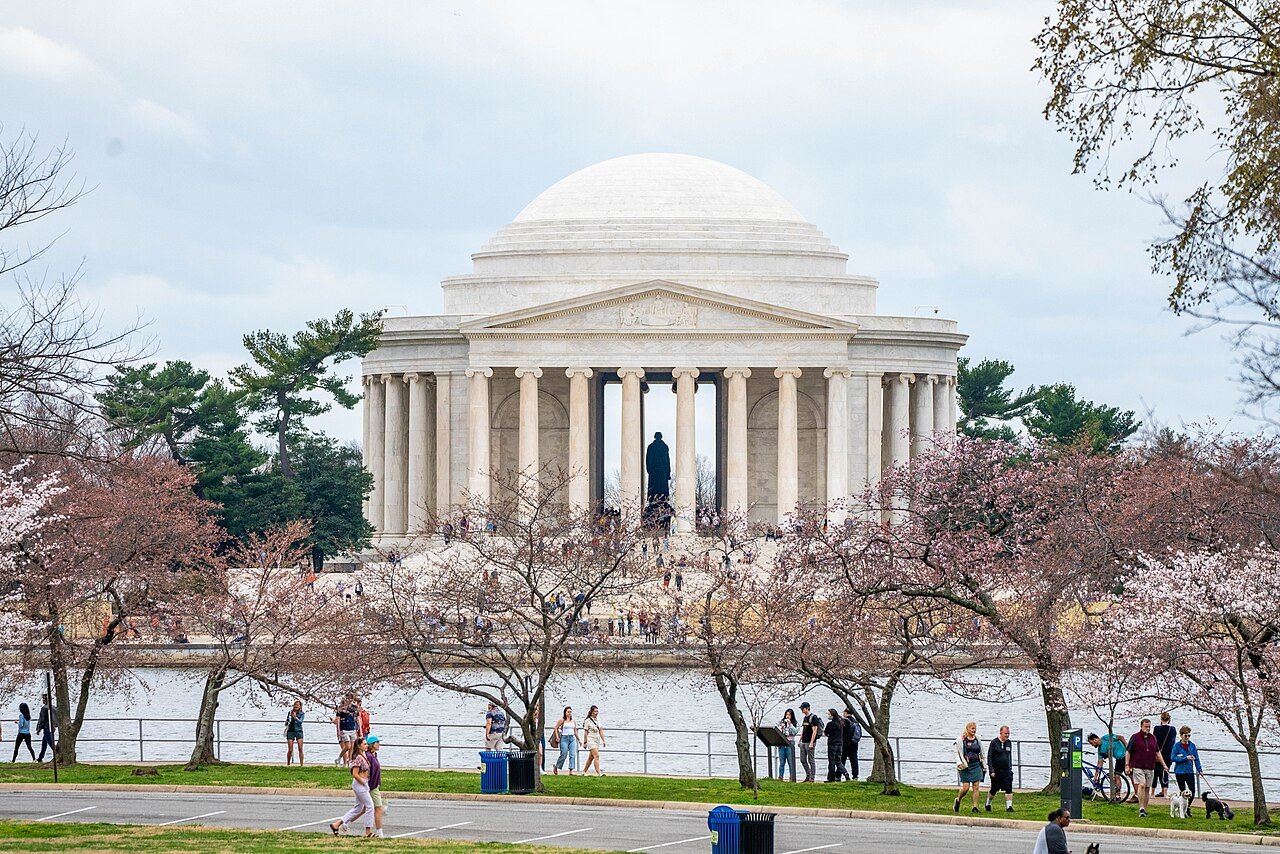
The Jefferson Memorial across the Tidal Basin, cherry trees in flower along the pathAnthony Quintano from Mount Laurel, United States, Wikimedia Commons, CC BY 2.0 West Potomac Park · SWThe basin to the south
Finish south along the water at the Tidal Basin, ringed by the cherry trees that the mayor of Tokyo, Yukio Ozaki, gave the city on March 27, 1912, with John Russell Pope's Jefferson Memorial, built from 1939 to 1943, on its southern shore.
Before you go3
Three things to know first
- ArrivingThree airports, none in the city.Reagan National is five miles away in Arlington, Virginia; Dulles lies 26 miles west, and BWI 30 miles northeast in Maryland. By train you arrive at Union Station, Amtrak's second-busiest.Getting here →
- The streetsLetters across, numbers up, states on the diagonal.Four quadrants meet at the Capitol and every address names one. Lettered streets run east and west, numbered streets north and south, and many of the diagonal avenues are named after states. There is no J Street.The plan →
- The calendarA spring in blossom, a humid summer.Summers are hot and humid and winters chilly, with some snow. The cherry trees round the Tidal Basin flower in spring, the season of the festival that remembers the gift of 1912.When to come →
United States · federal districtAbout 690,000 peopleEnglishUS dollarResidence Act 1790Seat of government since 1800
Eleven parts and a journal12
The parts of this guide
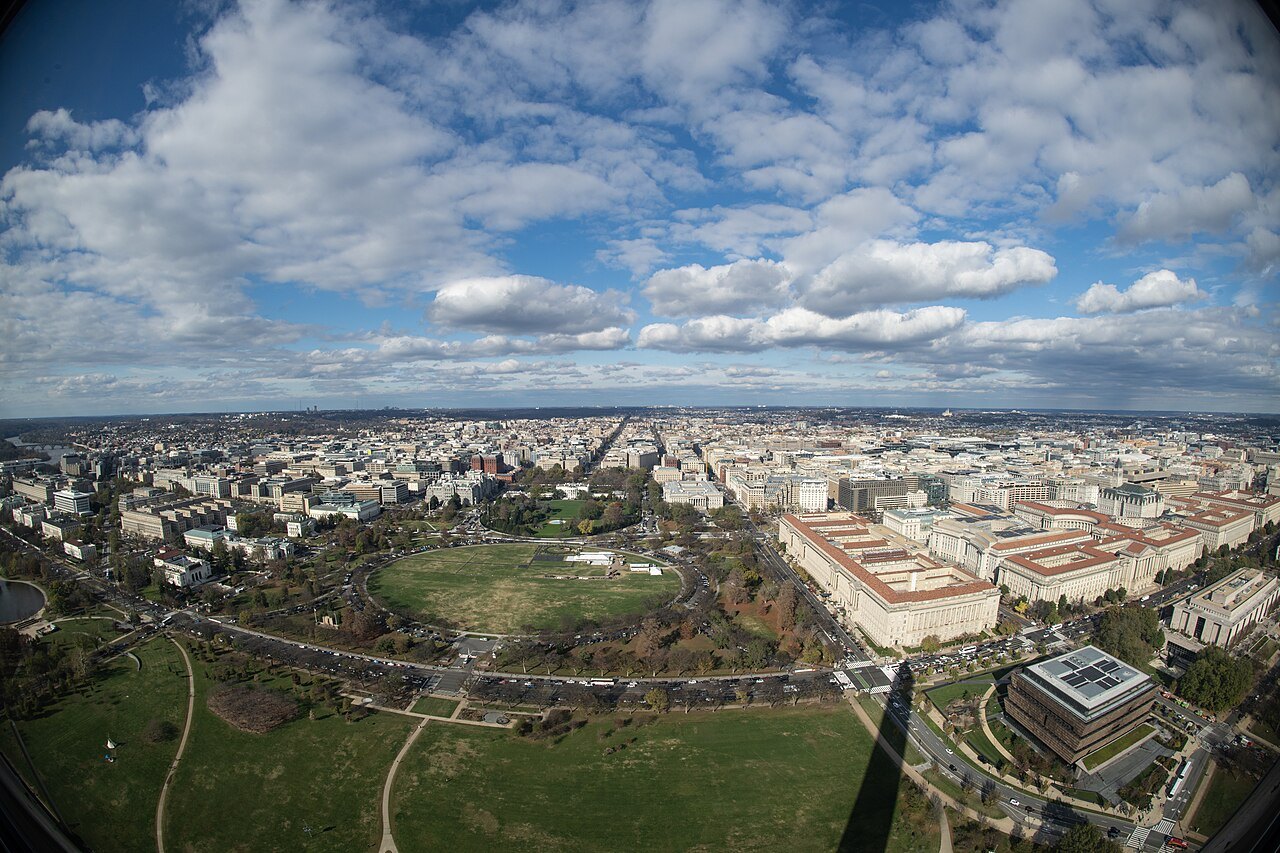 Eighteen places, one page eachThe SightsFrom the Capitol to Cedar Hill: what each one is, what you see there, and where it stands in the plan.
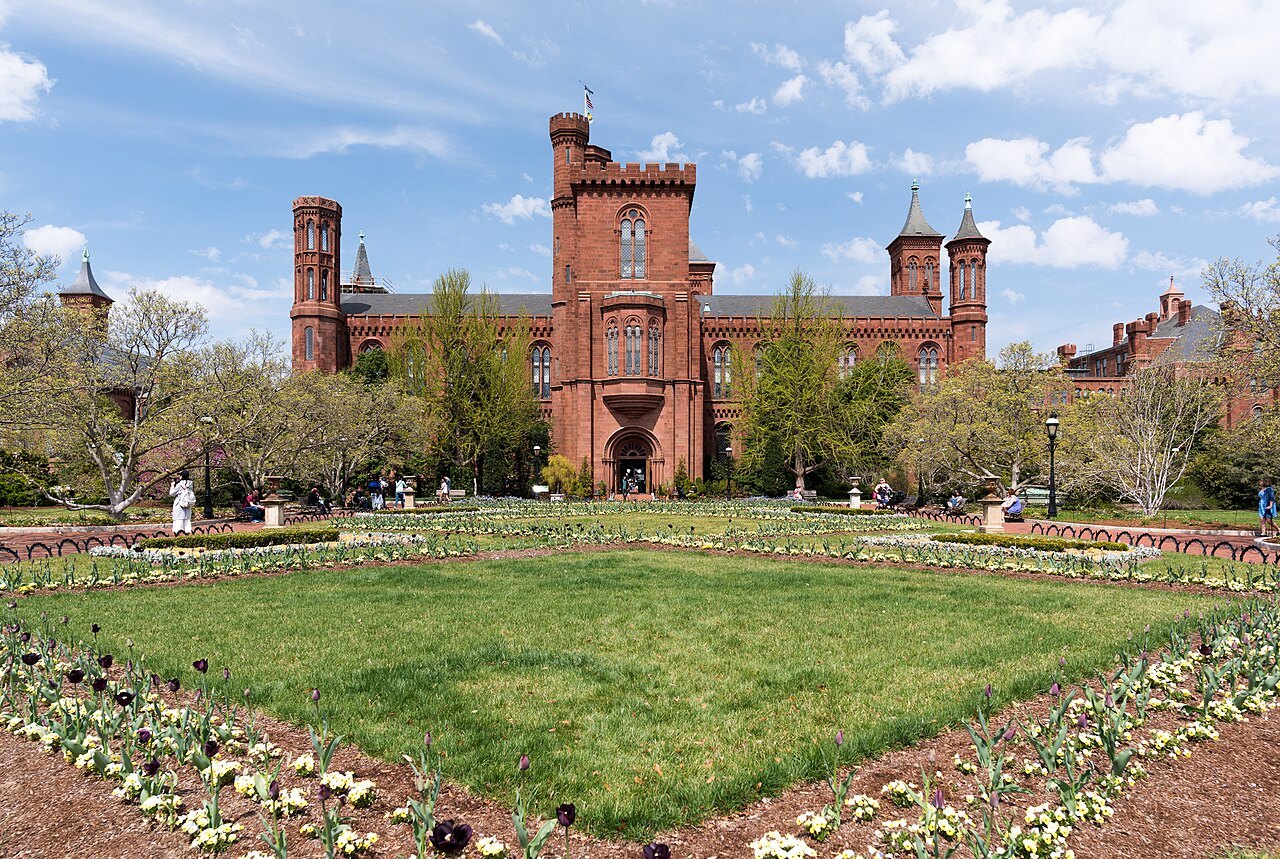 A lawn, two avenues and a row of free museumsThe MallThe lawn from the Capitol to the Lincoln Memorial, the Smithsonian's museums along both sides, and how to spend a day on it without walking it twice.
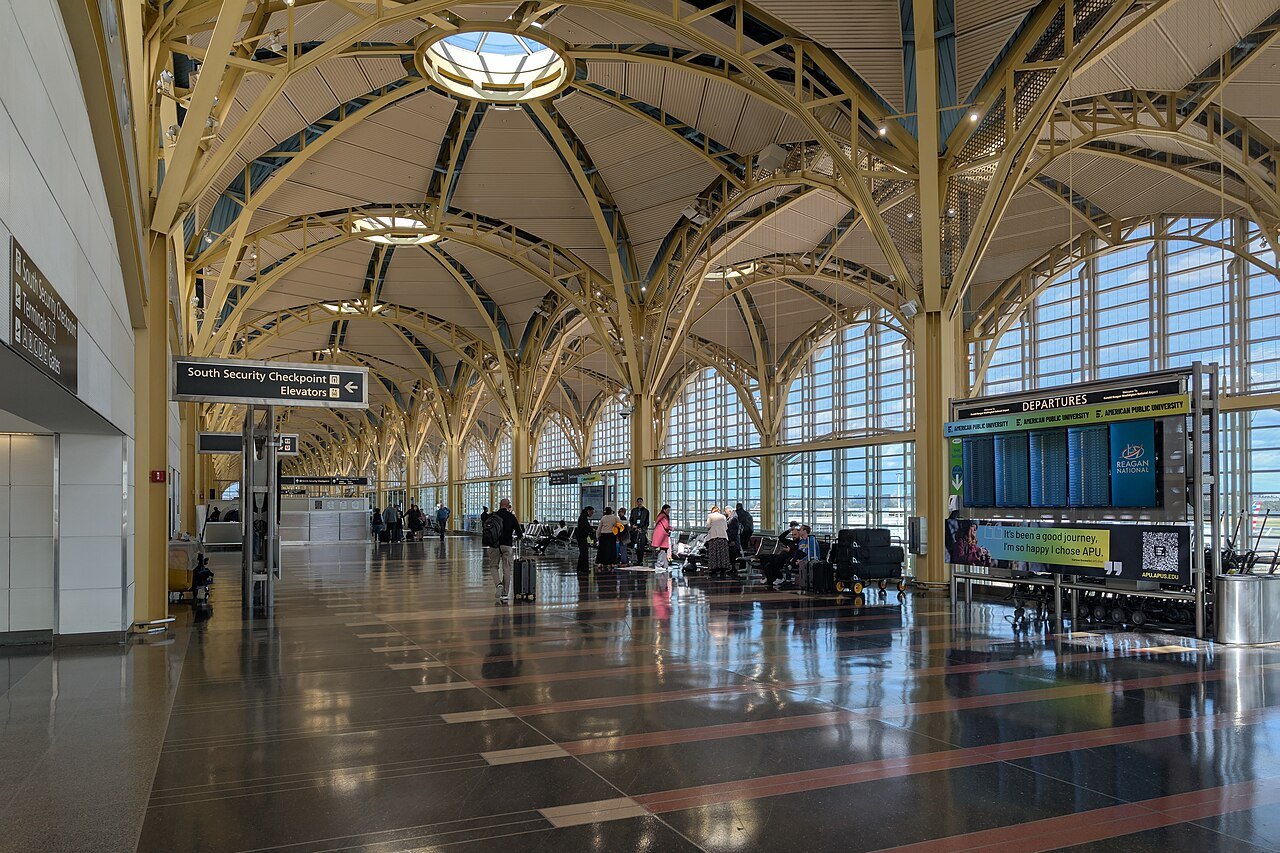 Three airports and one great stationGetting HereReagan National across the river in Virginia, Dulles farther out, BWI in Maryland, and Union Station on the Northeast Corridor — which to use and how each reaches the city.
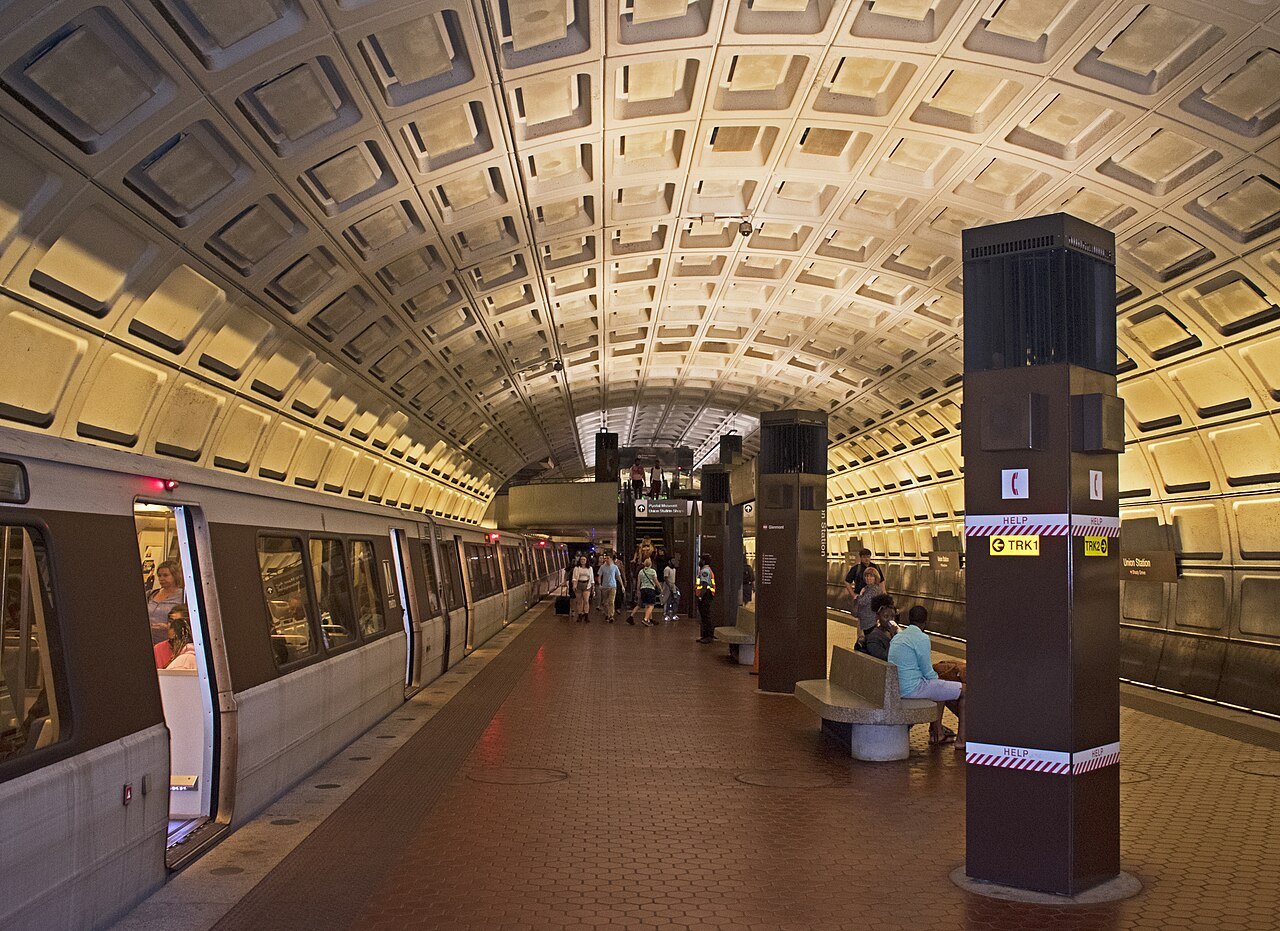 The Metro, the bus, the bike and your feetGetting AroundHow the Metro's deep stations and six lines work, the buses, the bike docks, and why the Mall is best walked.
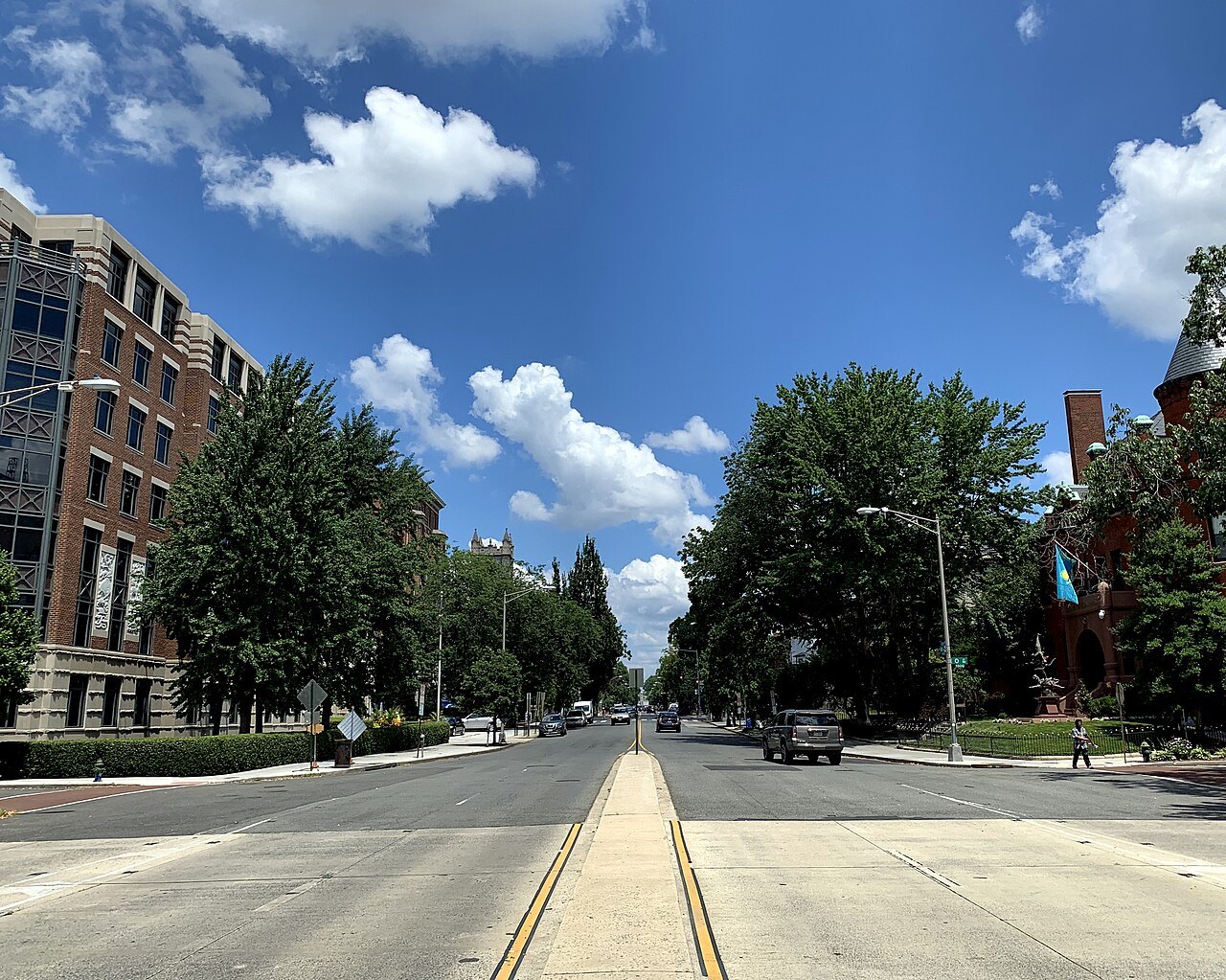 How to read an addressThe PlanFour quadrants meeting at the Capitol, letters across, numbers up, states on the diagonal and no J Street — L'Enfant's plan of 1791, and how to find anything on it.
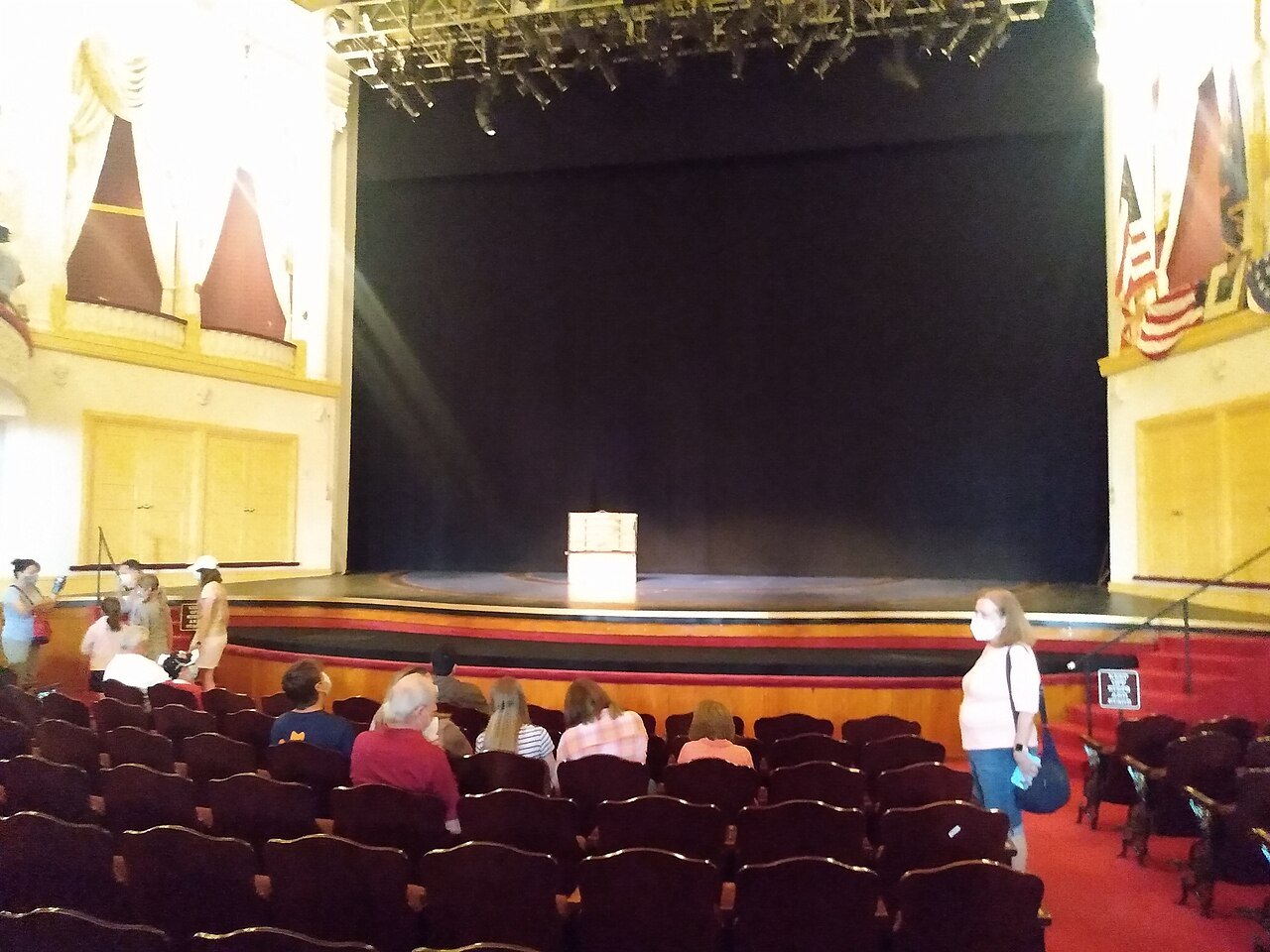 Timed entry, screening and the requestBooking AheadWhat needs a ticket or a request — the Capitol tour, the White House, a few museums at busy times — and the long list of what is simply free to walk into.
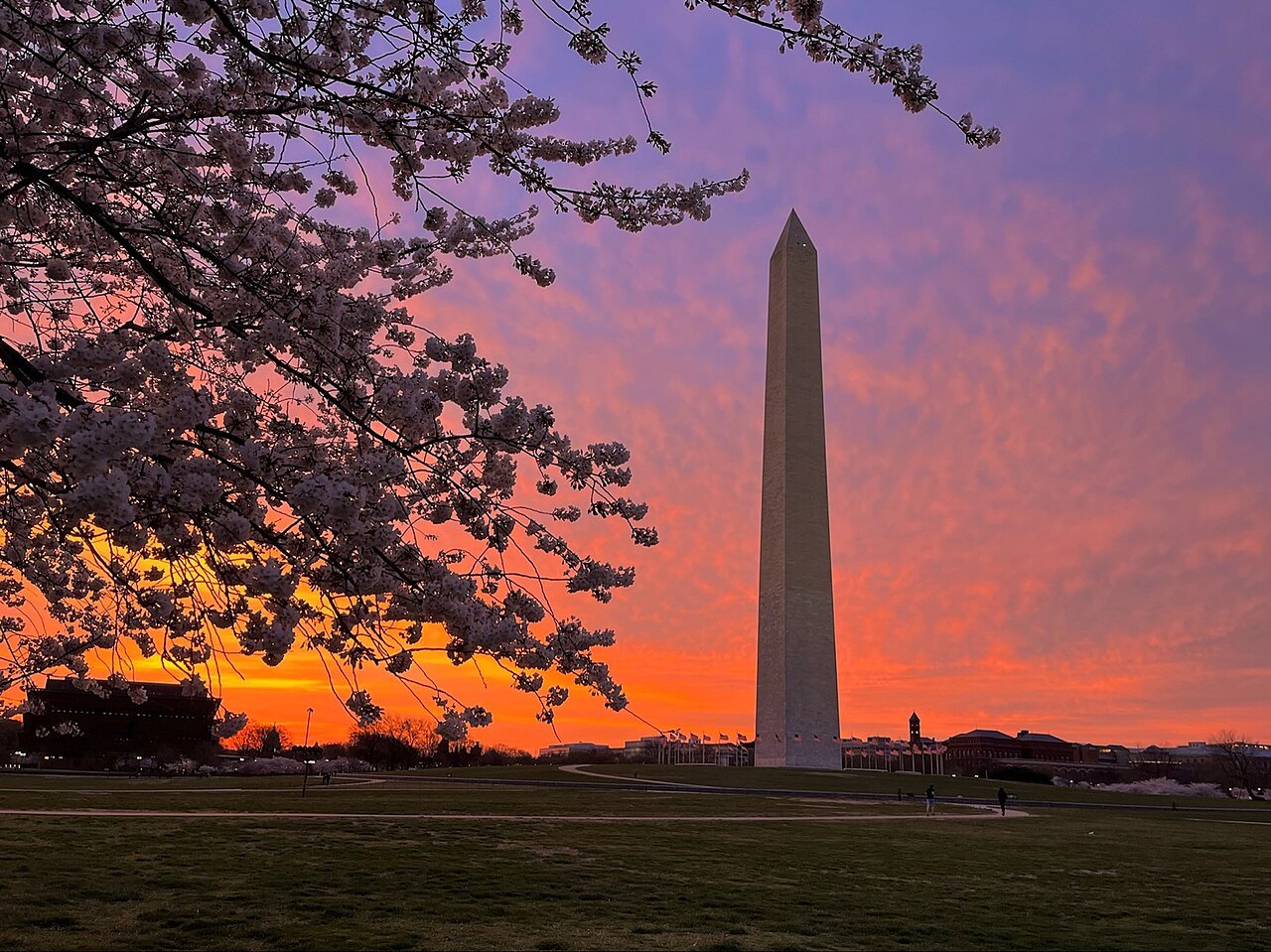 A blossoming spring, a humid summerWhen to ComeThe cherry trees round the Tidal Basin in spring, hot and humid summers, a mild autumn, and a chilly winter with some snow.
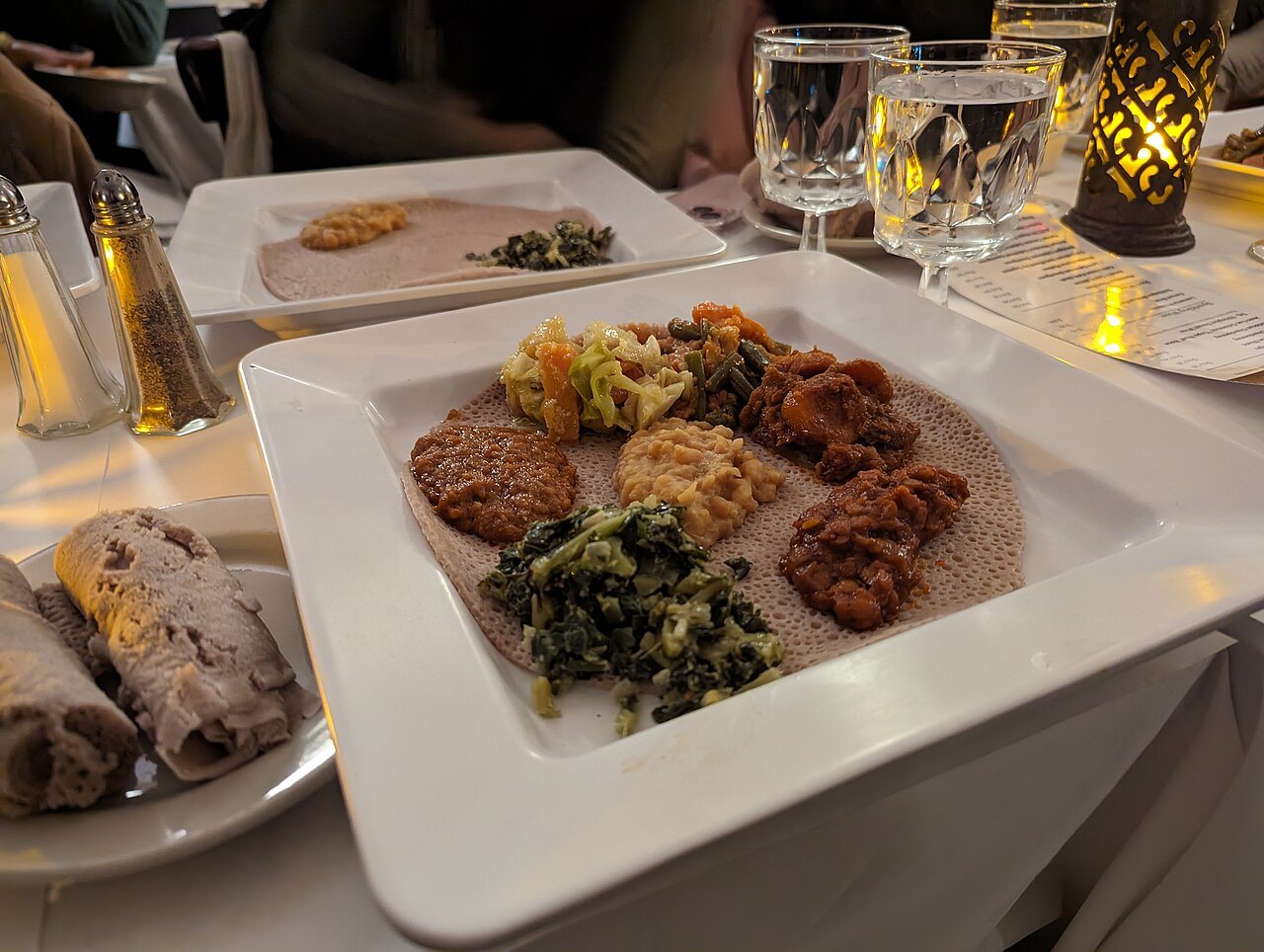 What the capital puts on the tableEating & DrinkingThe half-smoke, the Ethiopian restaurants, the food trucks on the Mall and the market on Capitol Hill — where each came from and where it is eaten.
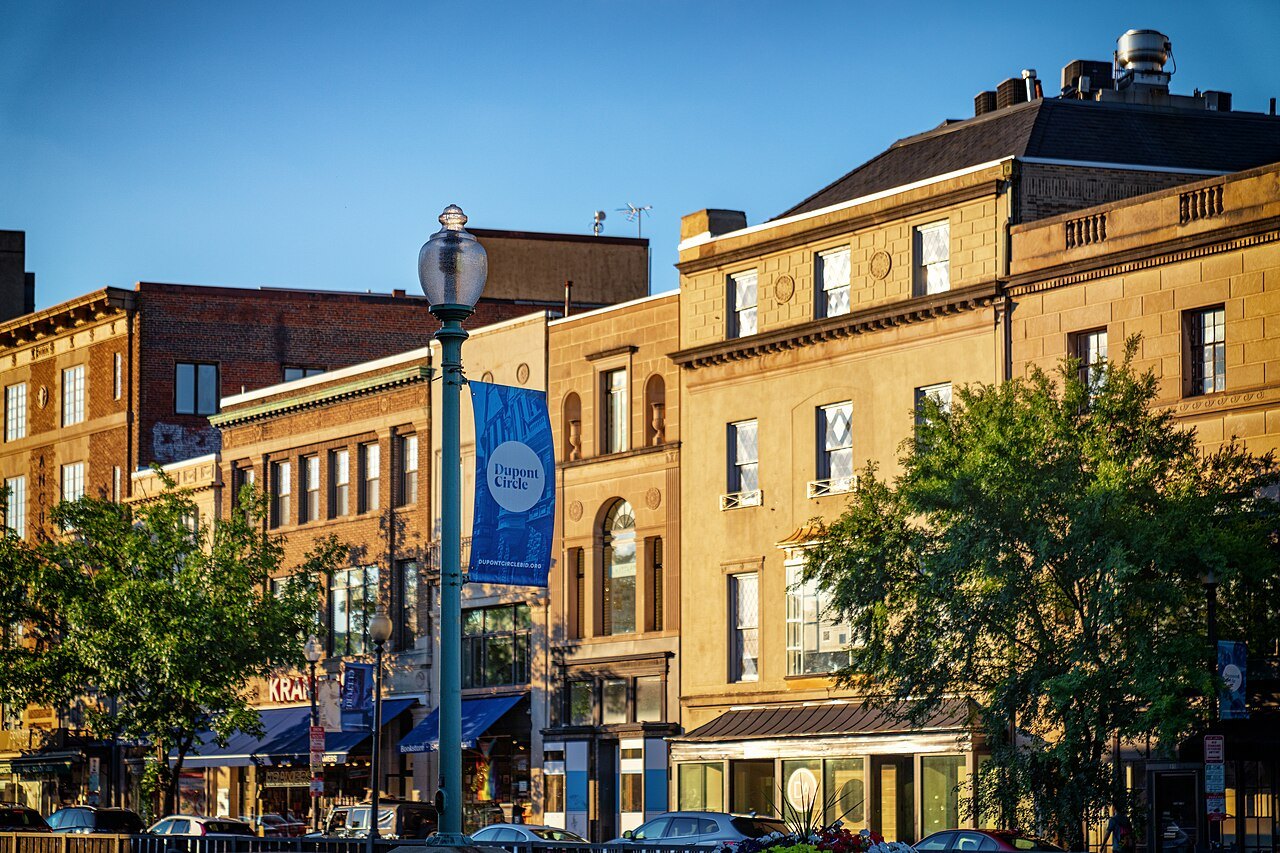 A city of neighborhoodsWhere to StayDowntown and Penn Quarter, Capitol Hill, Dupont Circle, Georgetown, the Wharf and Navy Yard — each for a night or a week, drawn on a map.
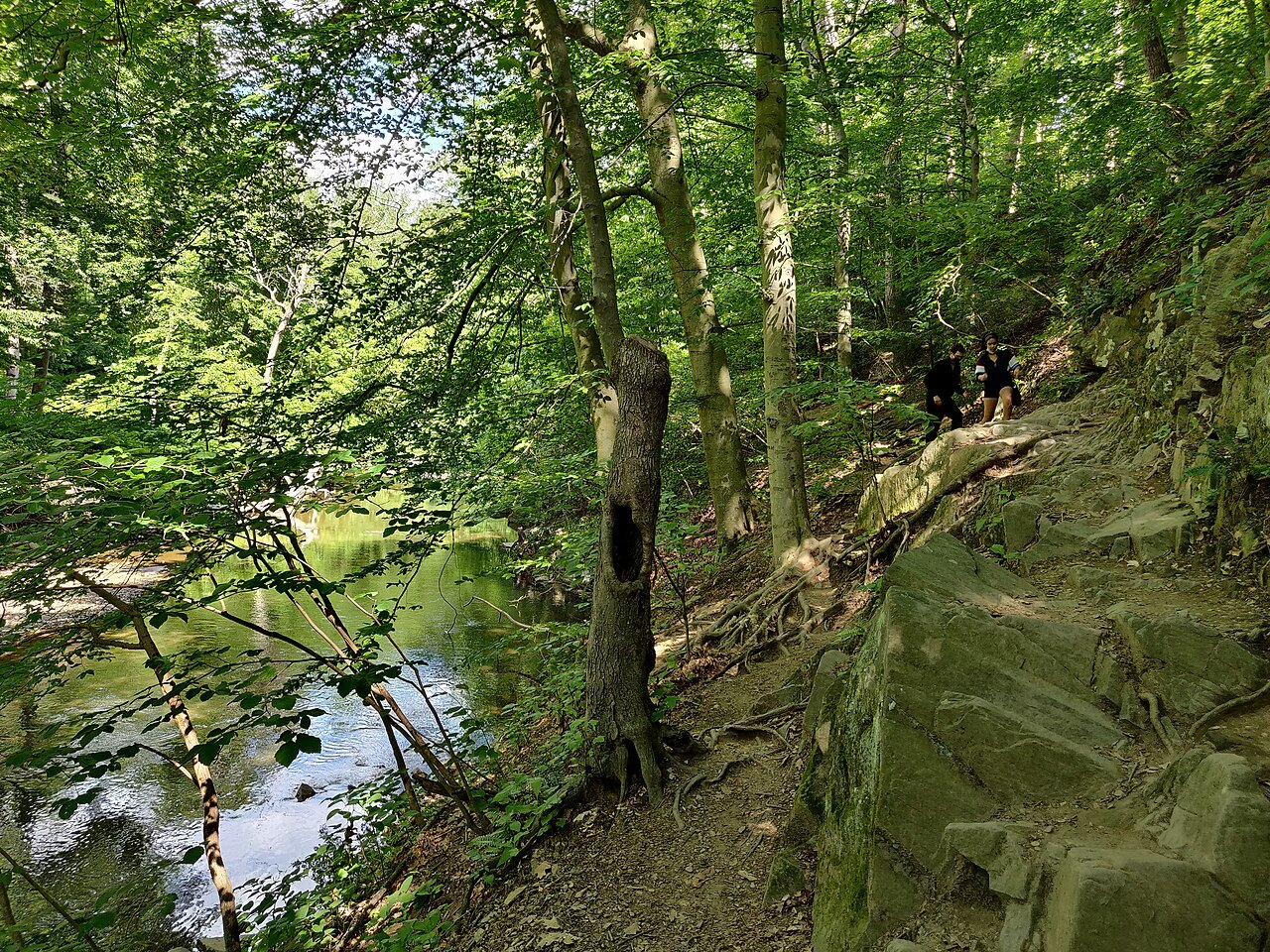 One day, three, fiveItinerariesRoutes by the length of your stay, built around the Capitol tour, the museums' closing days and the walk between them.
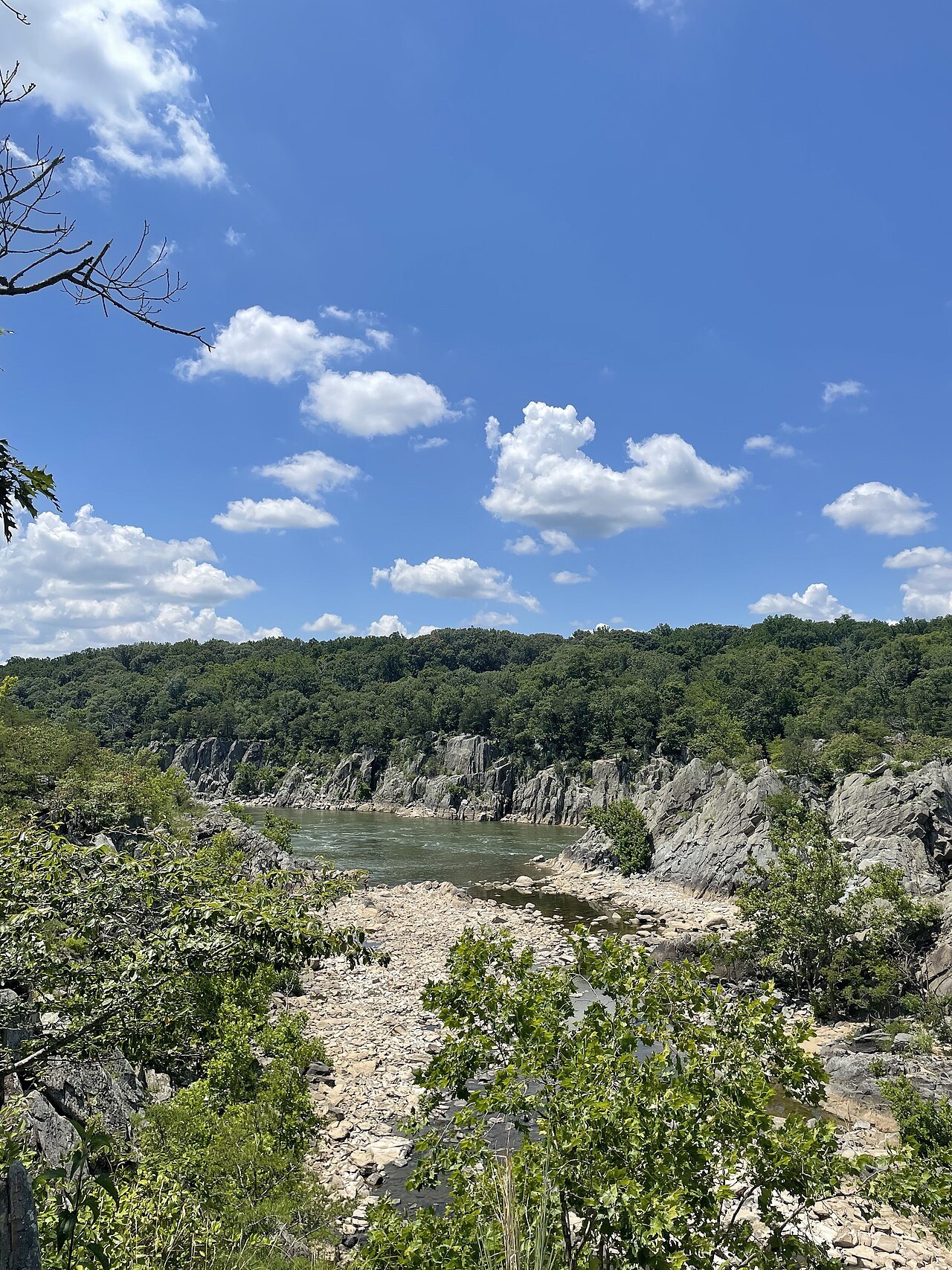 Across the Potomac and up the bayDay TripsArlington, Old Town Alexandria and Mount Vernon in Virginia, the falls of the Potomac, and Annapolis — each a day outside the District.
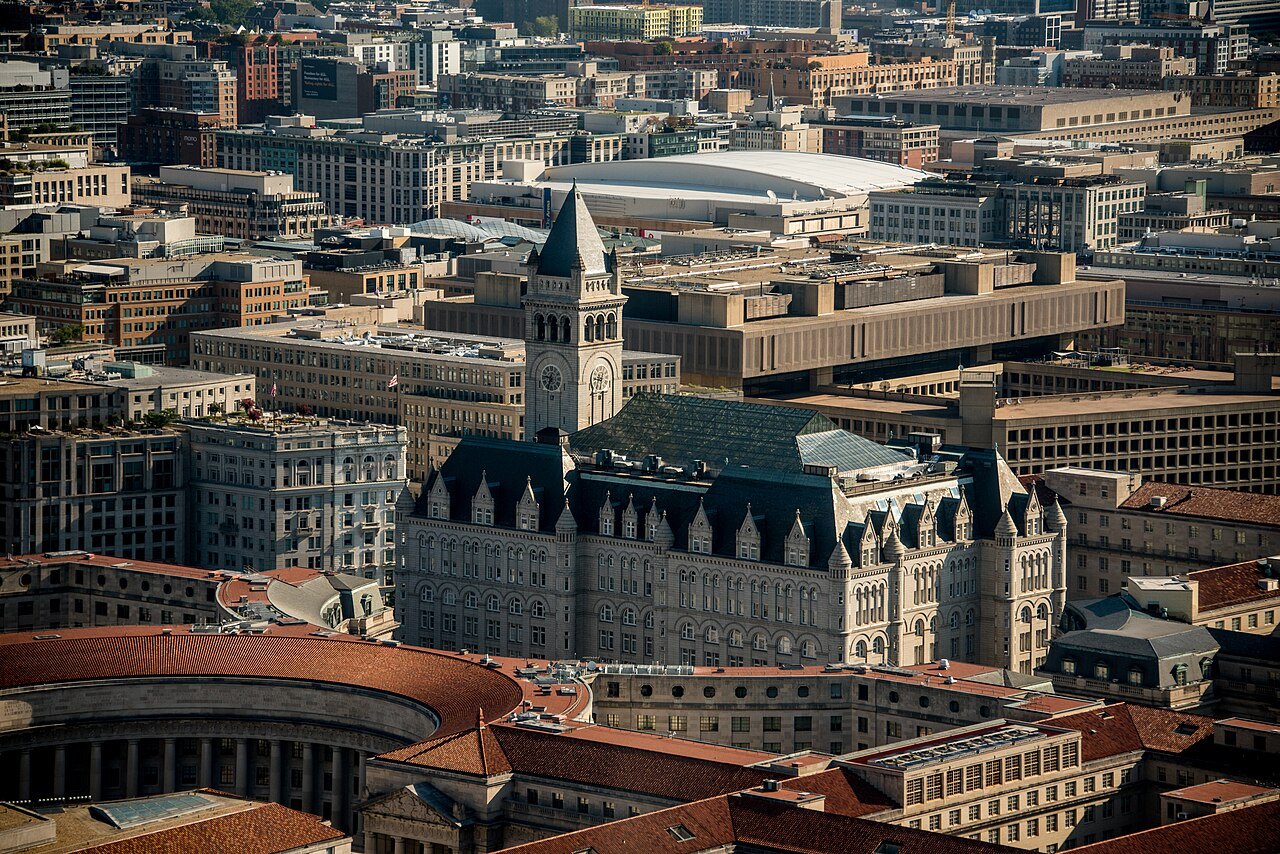 Questions answered at lengthThe JournalVisitor questions about Washington, answered in full, with new pieces as they are written.
From the Hill outward18
All eighteen sightsGrouped by where they stand in the plan: the hill where the quadrants meet, the Mall, the monuments, the northwest and across the river.
0The HillWhere the four quadrants meet
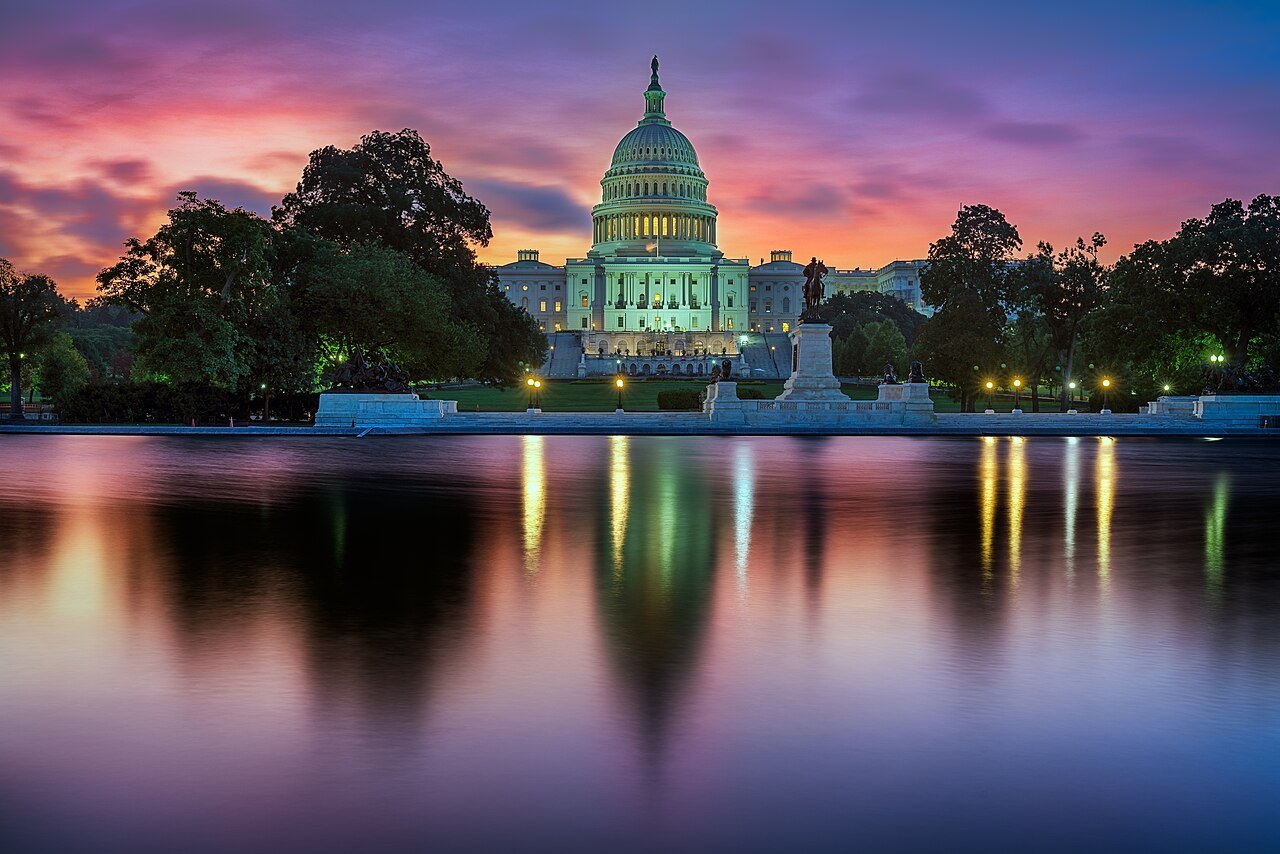 East end of the Mall · the zero point1The United States CapitolThe seat of Congress since 1800 under a cast-iron dome finished around 1866, and the point where the four quadrants meet.
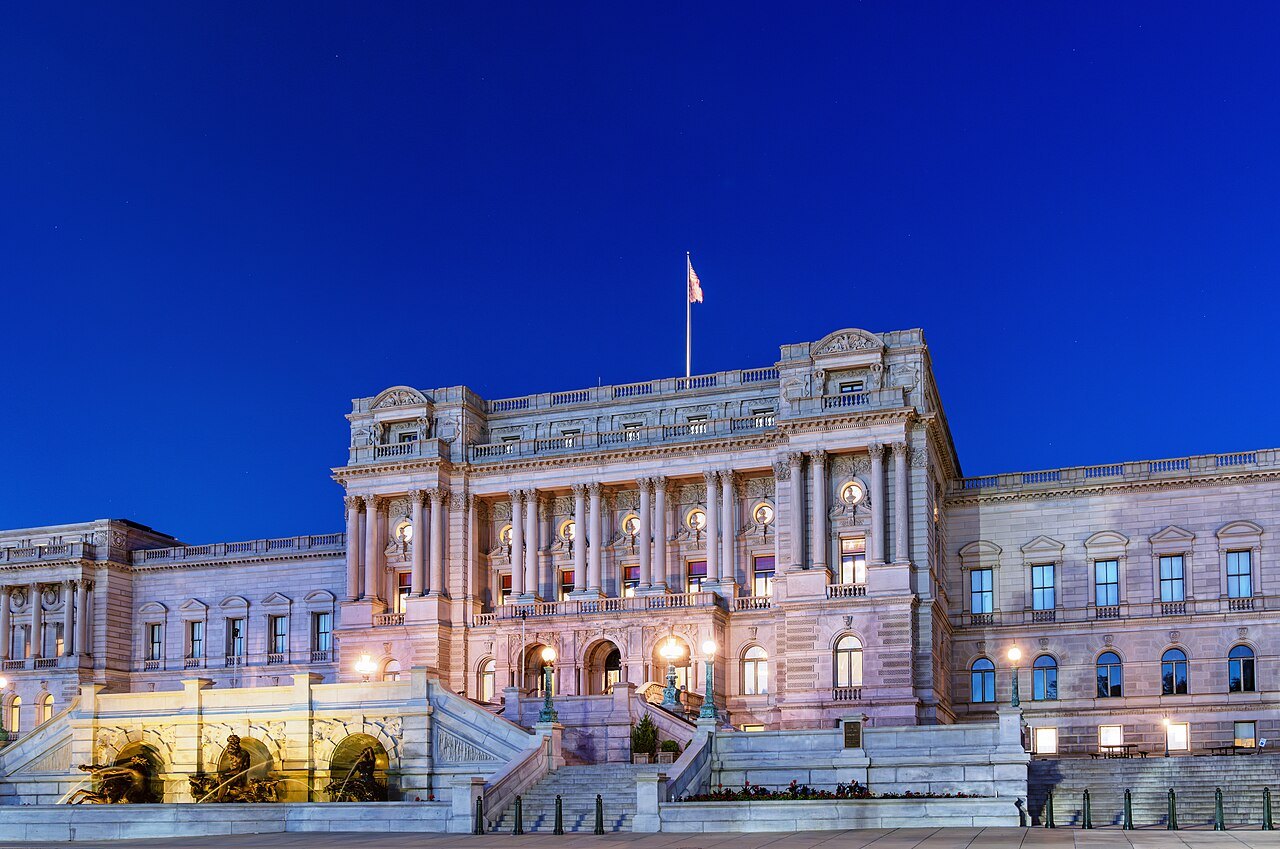 First St SE · East Capitol St2The Library of Congress and the Supreme CourtThe Jefferson Building, finished in 1897 and the oldest of the Library's three, across from the Supreme Court's marble building of 1935.
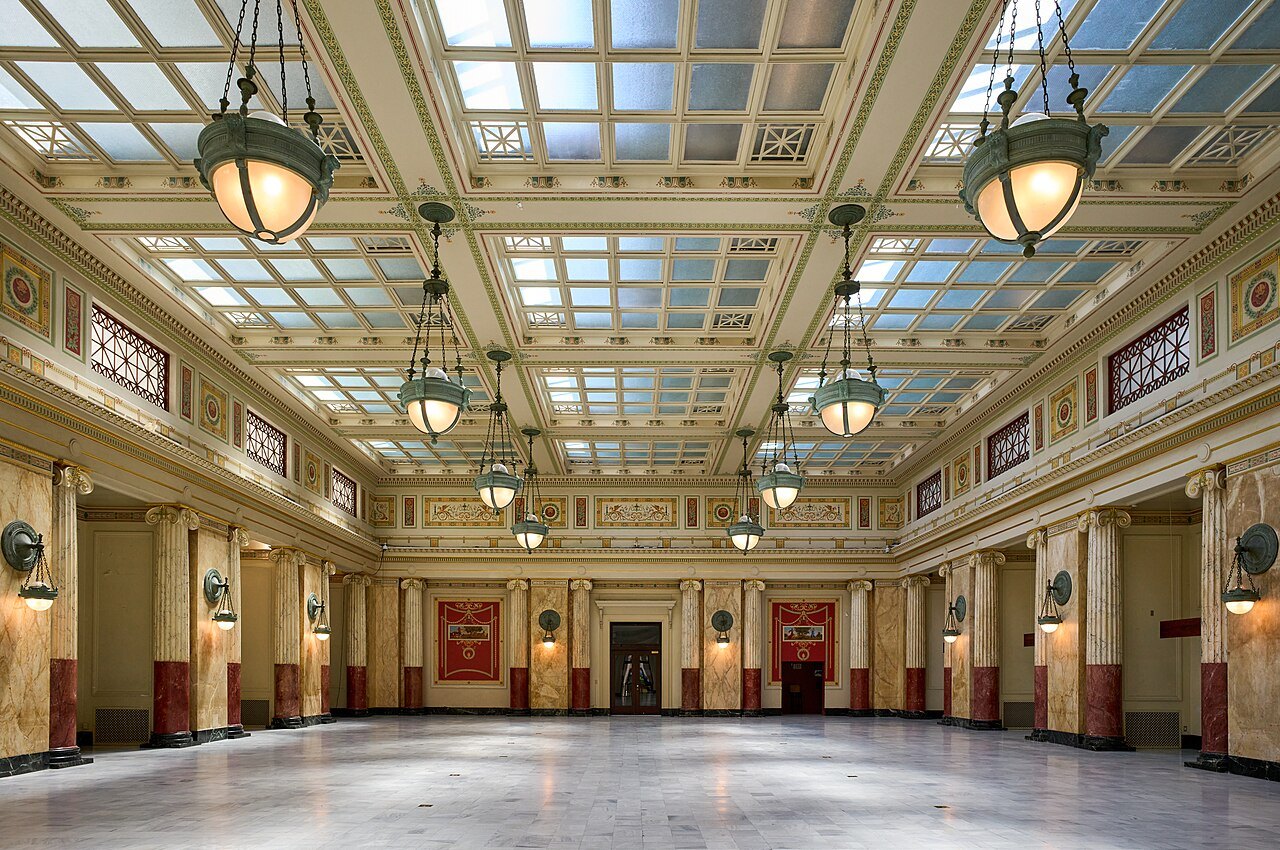 Massachusetts Ave · First St NE3Union StationDaniel Burnham's station of 1907, Amtrak's second-busiest and the southern end of the Northeast Corridor.
C · IAlong the MallThe museums on Constitution and Independence Avenues
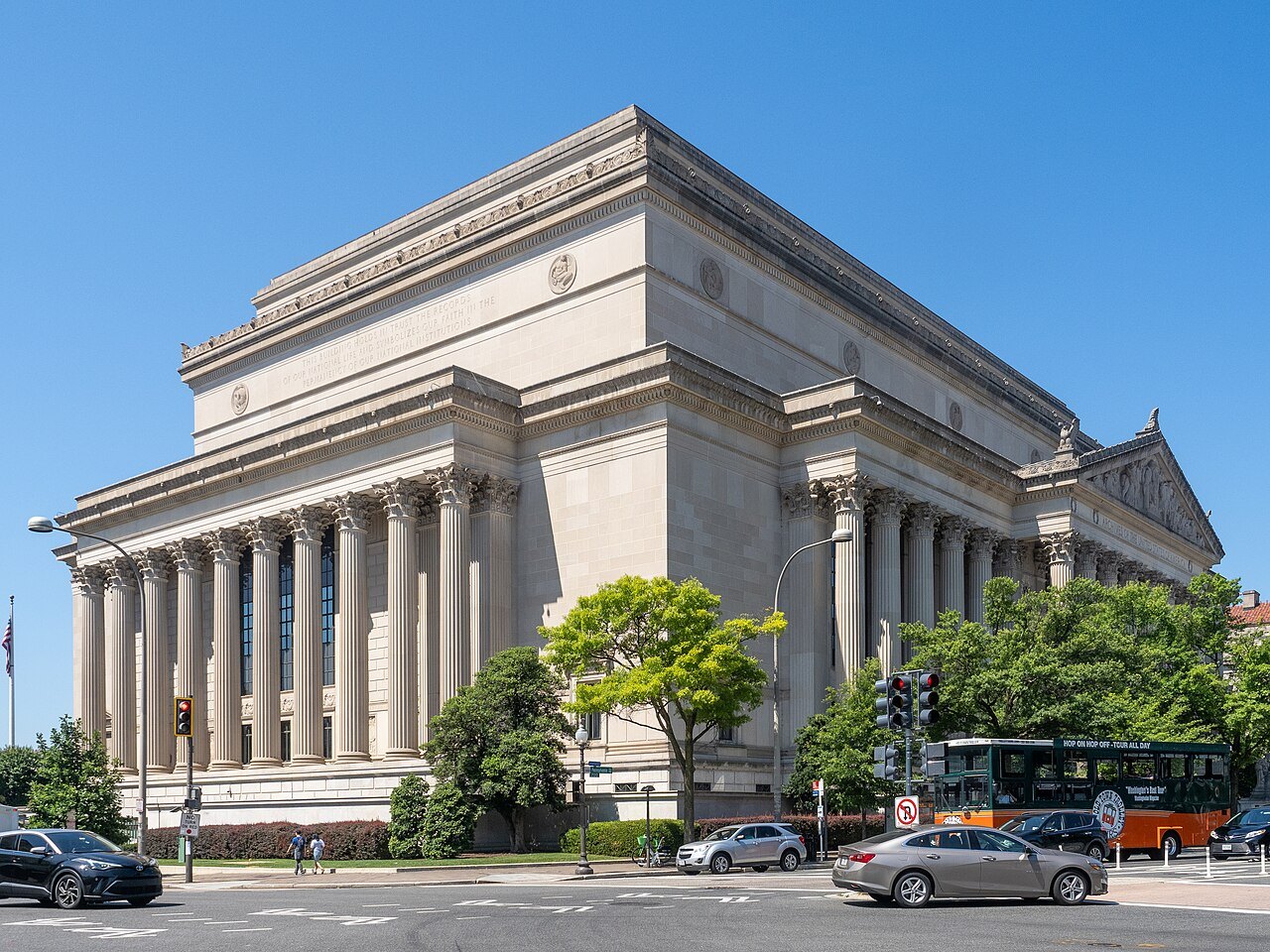 700 Pennsylvania Ave NW4The National ArchivesA temple for the nation's records built in the 1930s, its rotunda entered from Constitution Avenue.
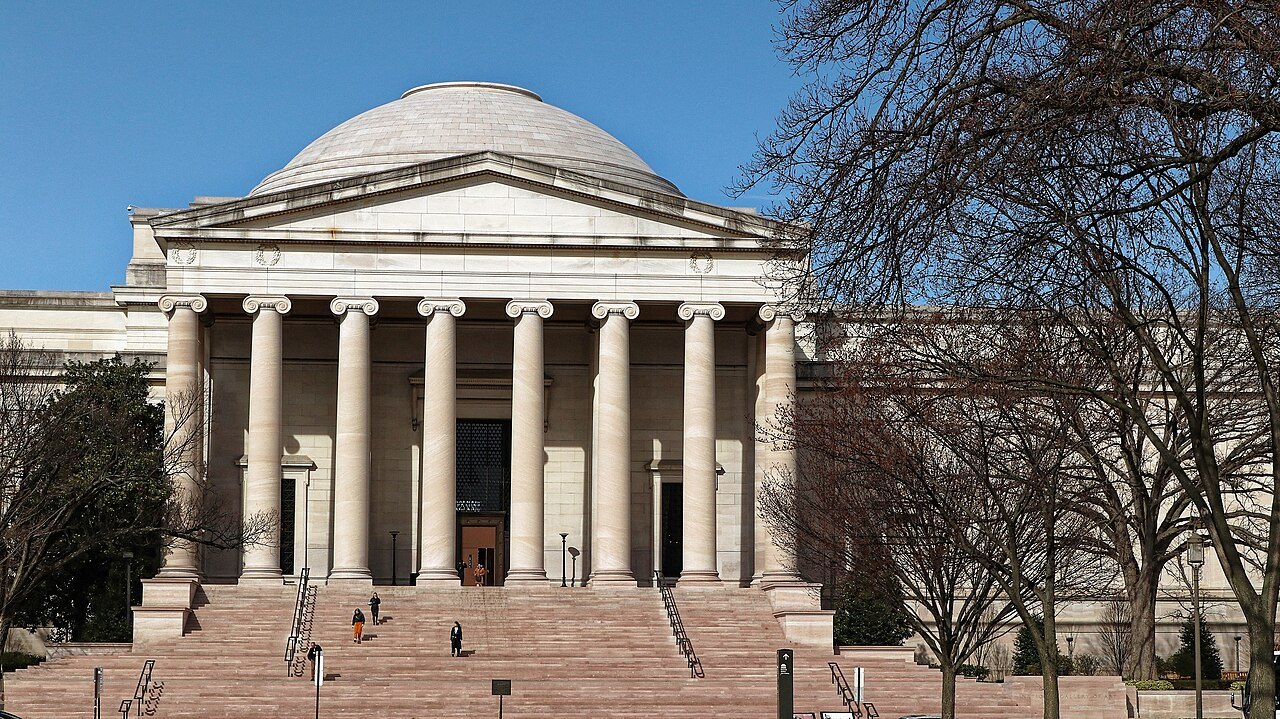 Constitution Ave · 4th St NW5The National Gallery of ArtFree since it opened in 1941: John Russell Pope's West Building and I. M. Pei's East Building of 1978, joined underground.
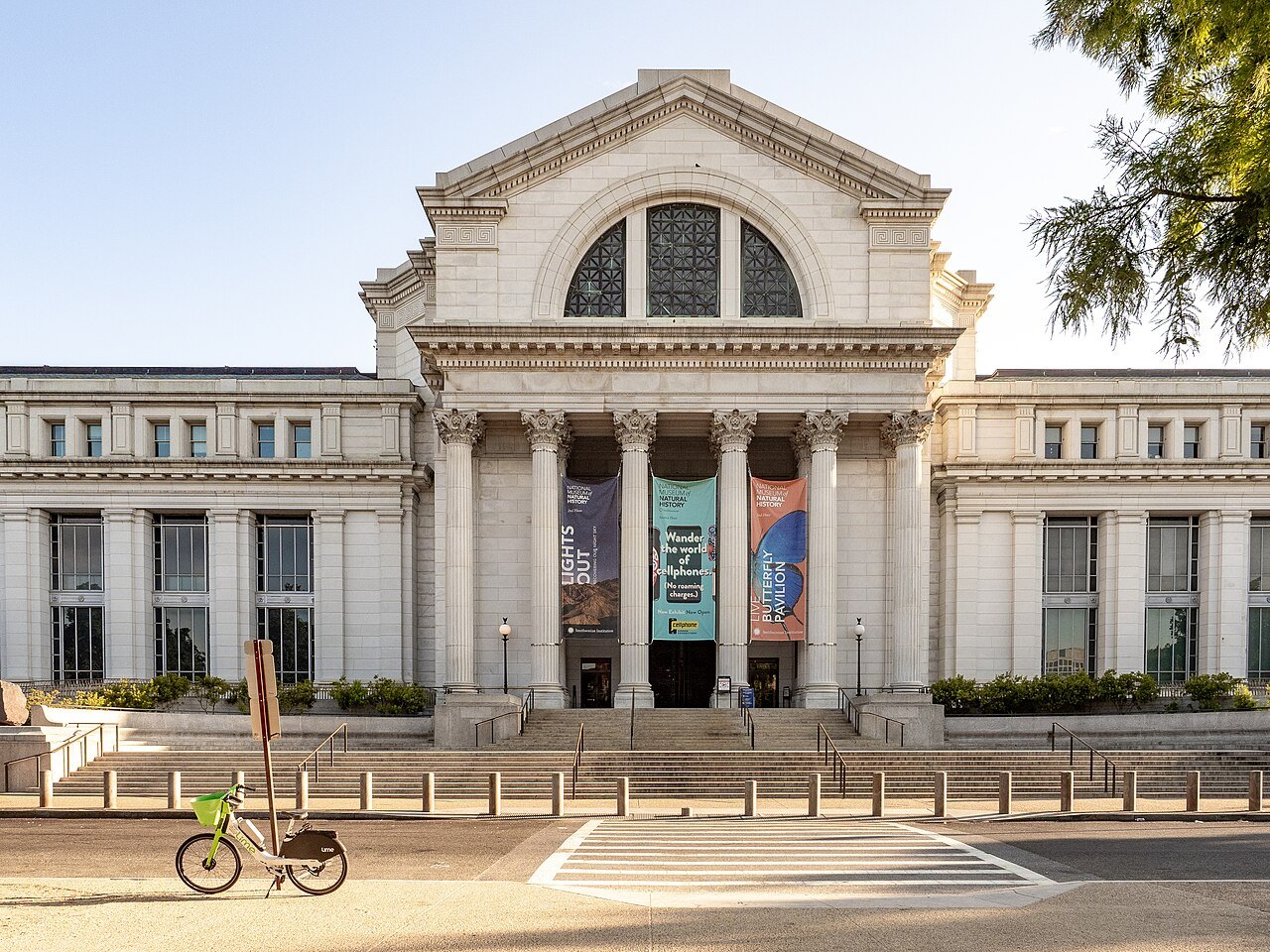 Constitution Ave · 10th St NW6The National Museum of Natural HistoryOpened in 1910 under a green dome, holding more than 148 million specimens, from the Hope Diamond to the dinosaurs.
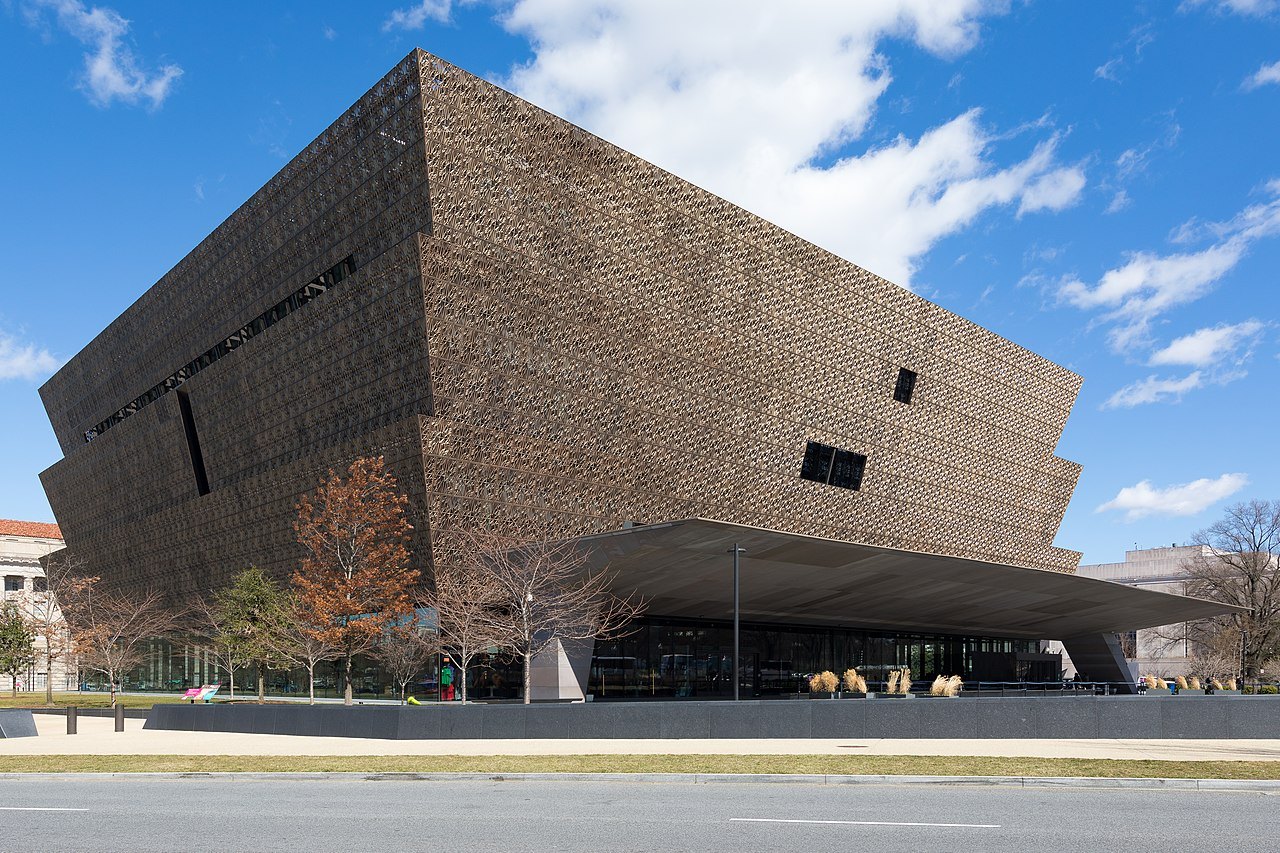 Constitution Ave · 14th St NW7The National Museum of African American History and CultureA bronze three-tiered corona finished in 2016, its shape drawn from a Yoruba crown.
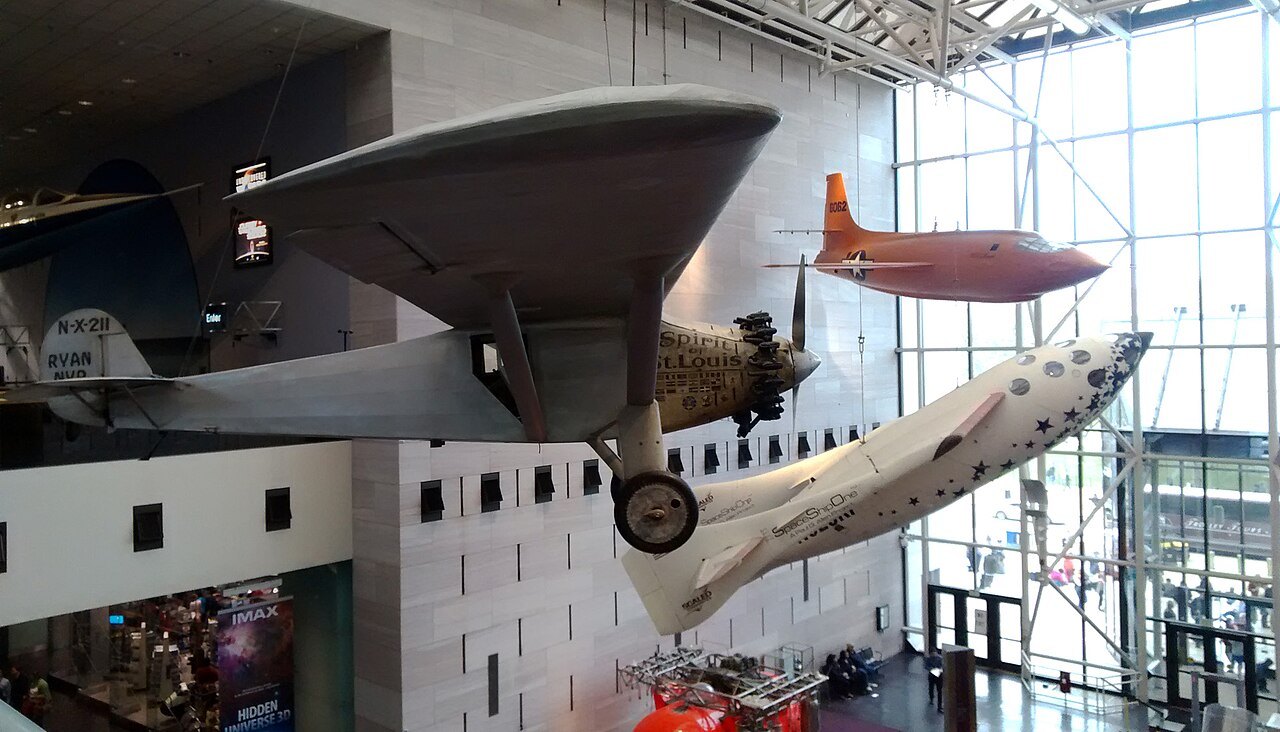 Independence Ave · 6th St SW8The National Air and Space MuseumThe Wright Flyer and the Apollo 11 command module, in a building on the Mall since 1976 and reopening gallery by gallery after a renovation begun in 2018.
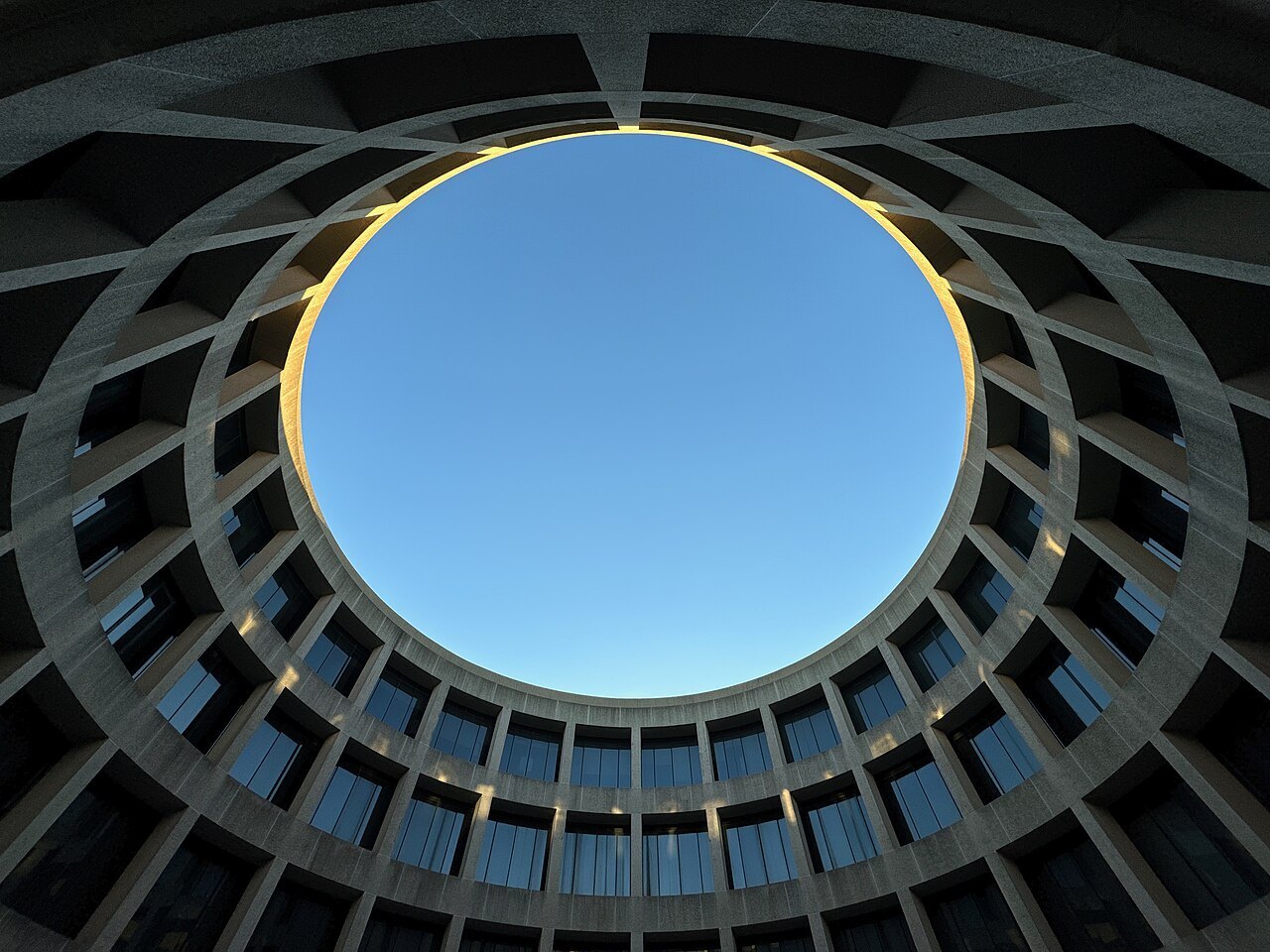 Independence Ave · 7th St SW9The Hirshhorn Museum and Sculpture GardenGordon Bunshaft's open concrete cylinder raised on four legs, with a fountain in its court and sculpture in a sunken garden.
15West of 15th StreetThe monuments and the water
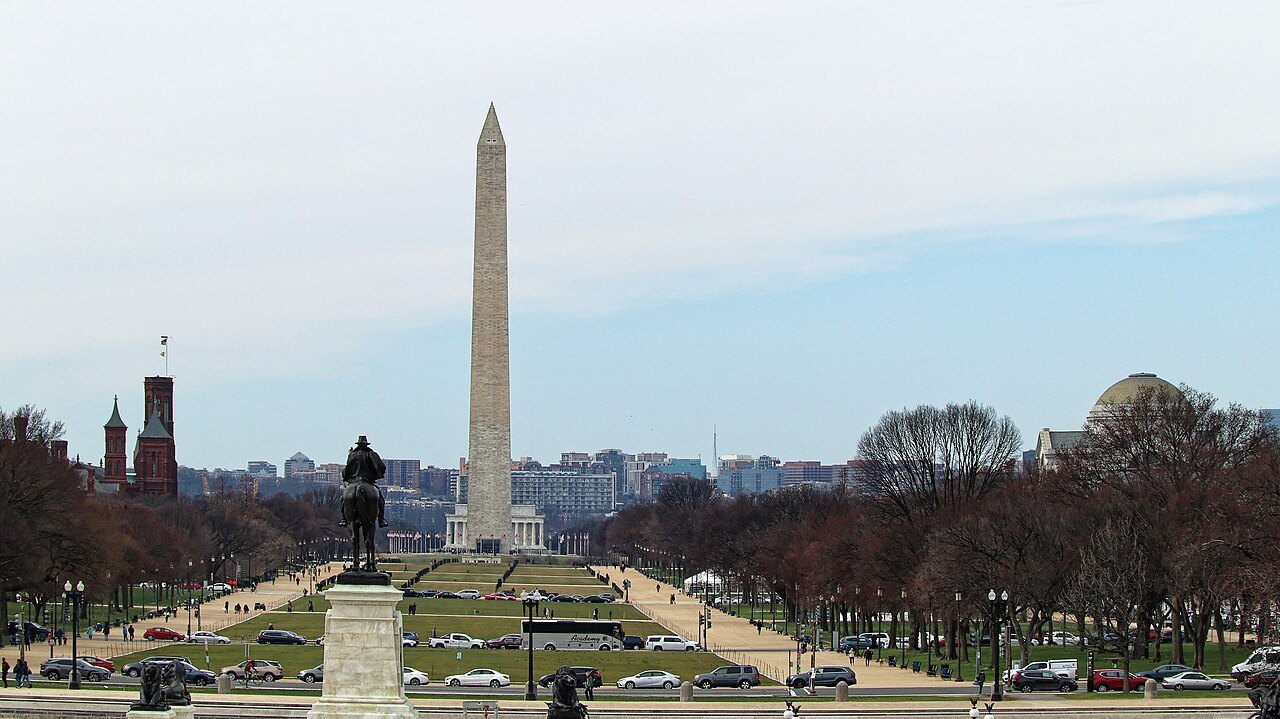 The Mall · 15th St10The Washington MonumentA 555-foot obelisk faced in three kinds of white marble, because the building kept stopping.
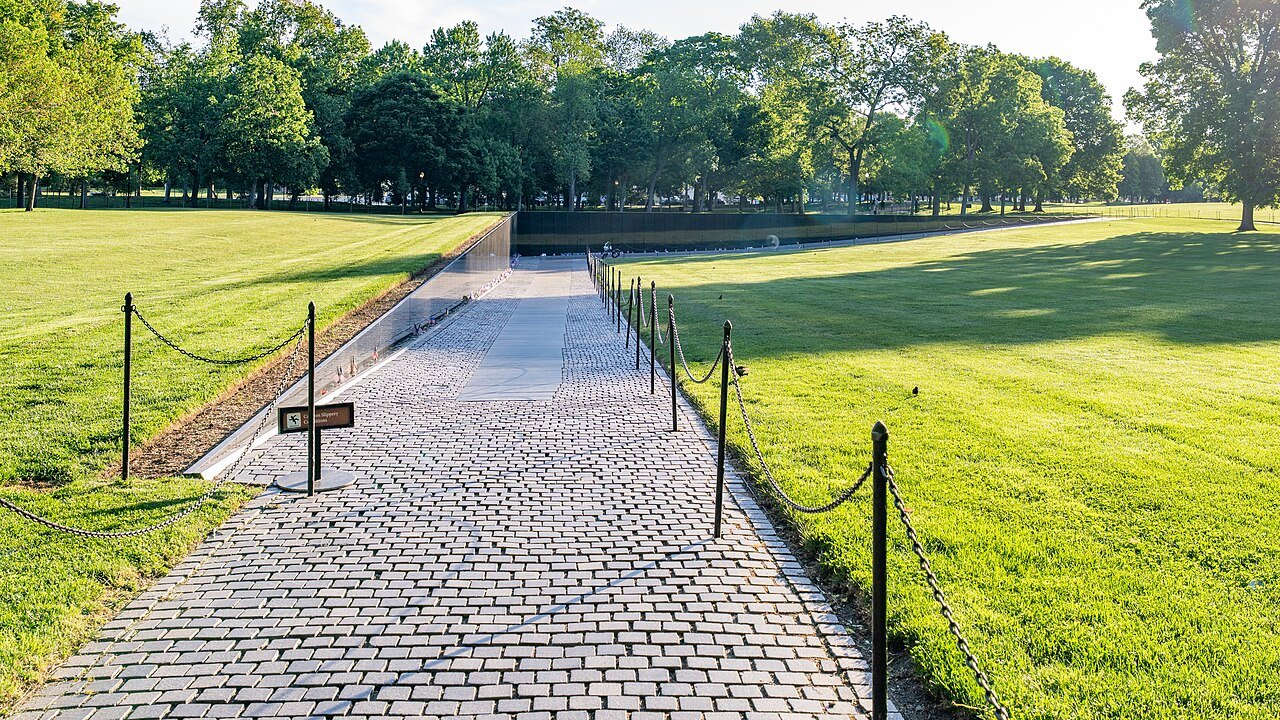 17th St · Constitution Gardens11The World War II, Korean War and Vietnam MemorialsFifty-six granite pillars round an oval fountain, the Korean War's nineteen statues, and Maya Lin's black granite walls of 1982.
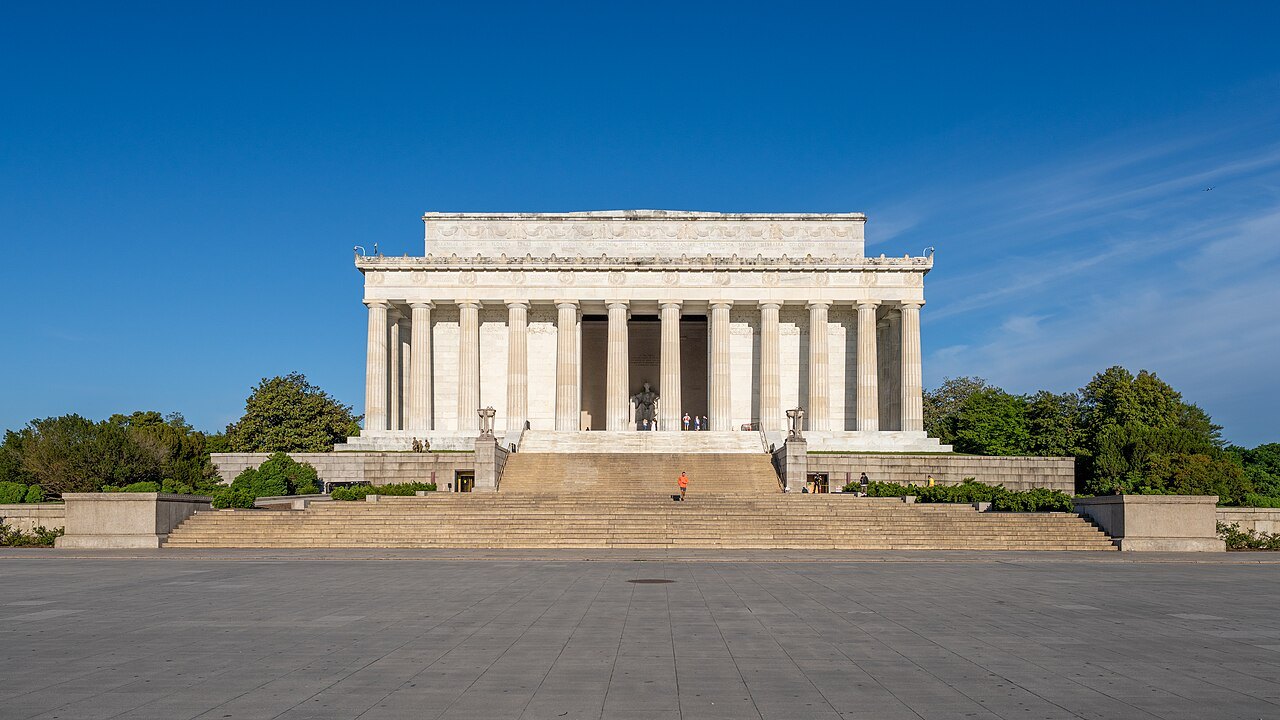 West end of the Mall · 23rd St12The Lincoln Memorial and the Reflecting PoolHenry Bacon's temple of 1922 at the west end of the Mall, round a statue enlarged to nineteen feet.
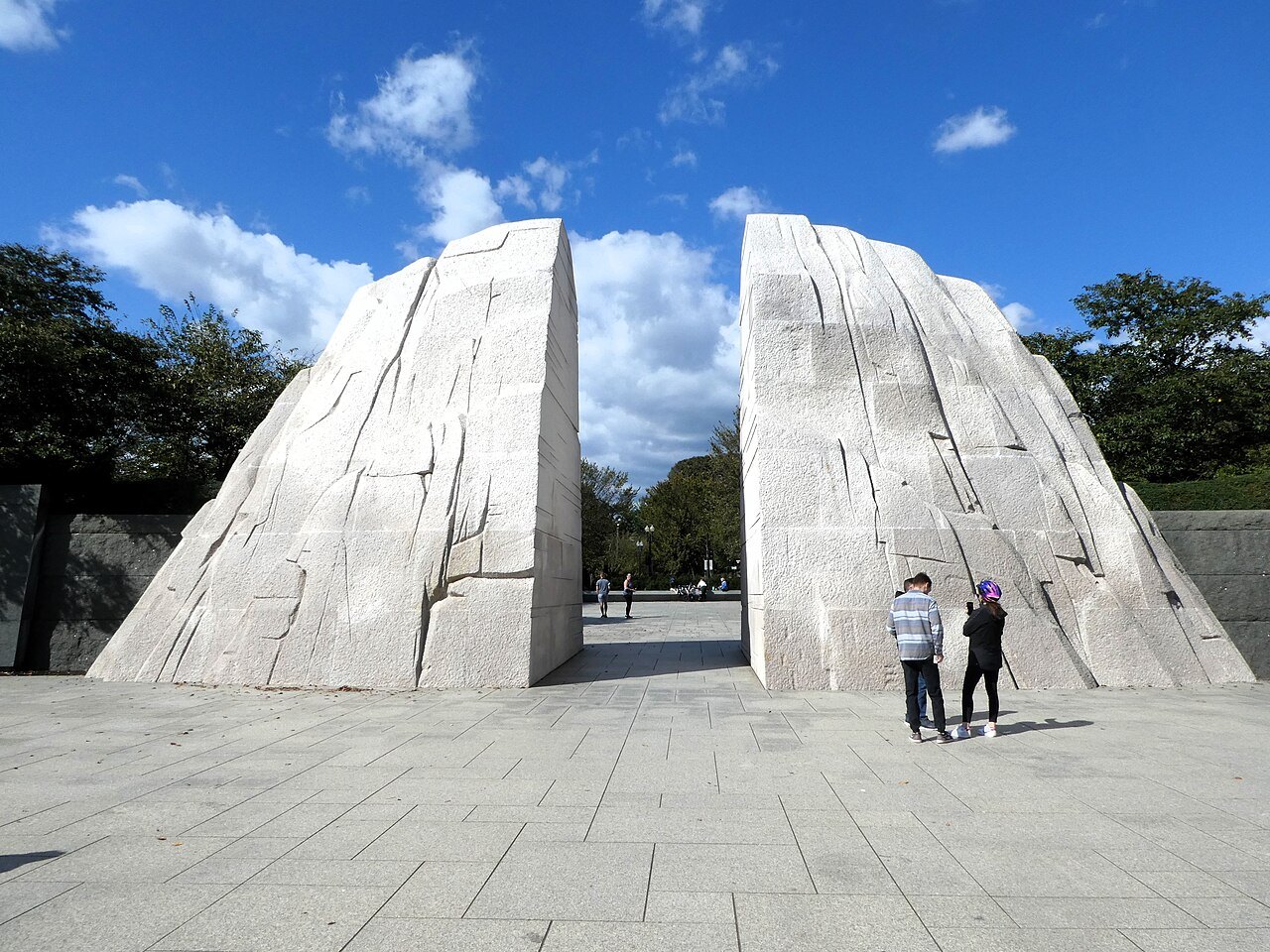 West Potomac Park · SW13The Tidal Basin and the Jefferson MemorialA man-made basin ringed by the cherry trees Tokyo gave in 1912, with the Jefferson Memorial of 1943 on its shore.
NWNorthwestThe President's Park, Penn Quarter, Georgetown and the heights
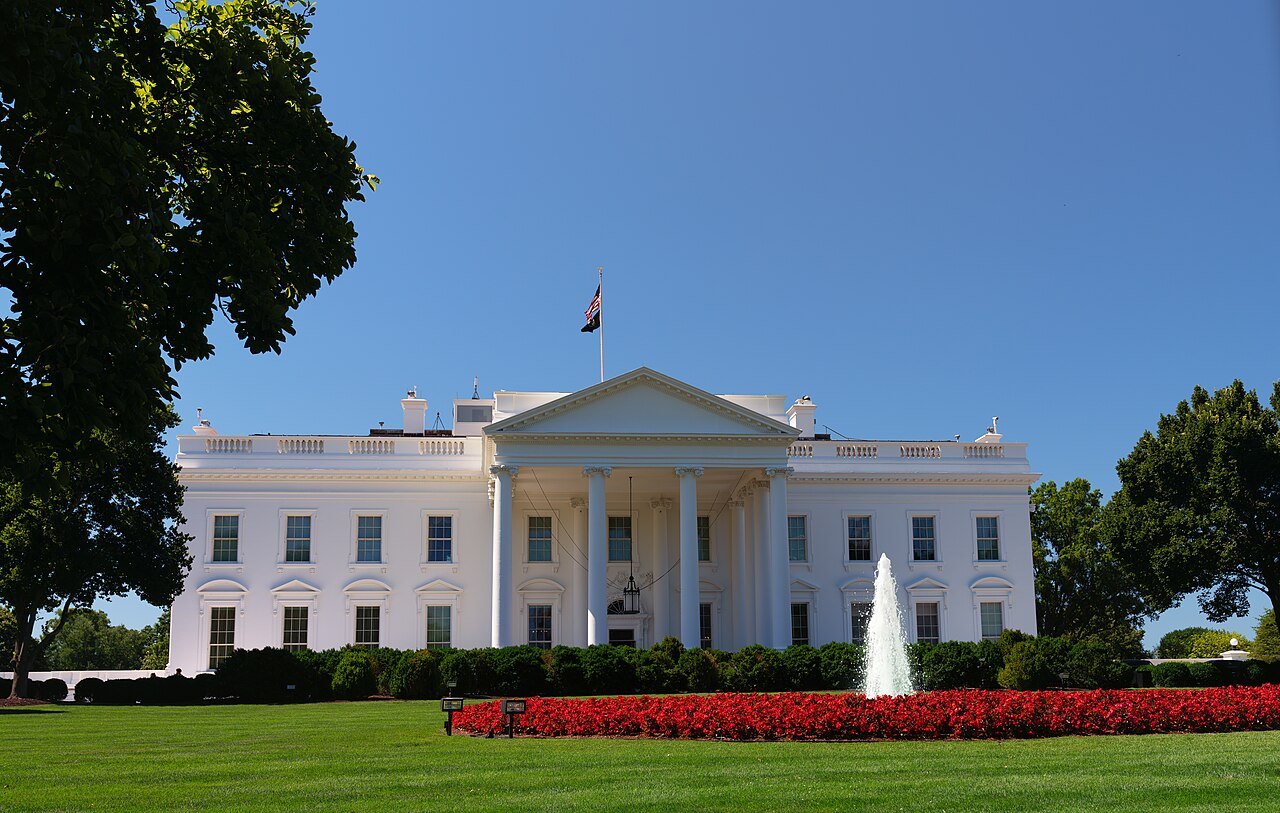 1600 Pennsylvania Ave NW14The White House and Lafayette SquareHome of every president since John Adams in 1800, designed by James Hoban and seen across Lafayette Square.
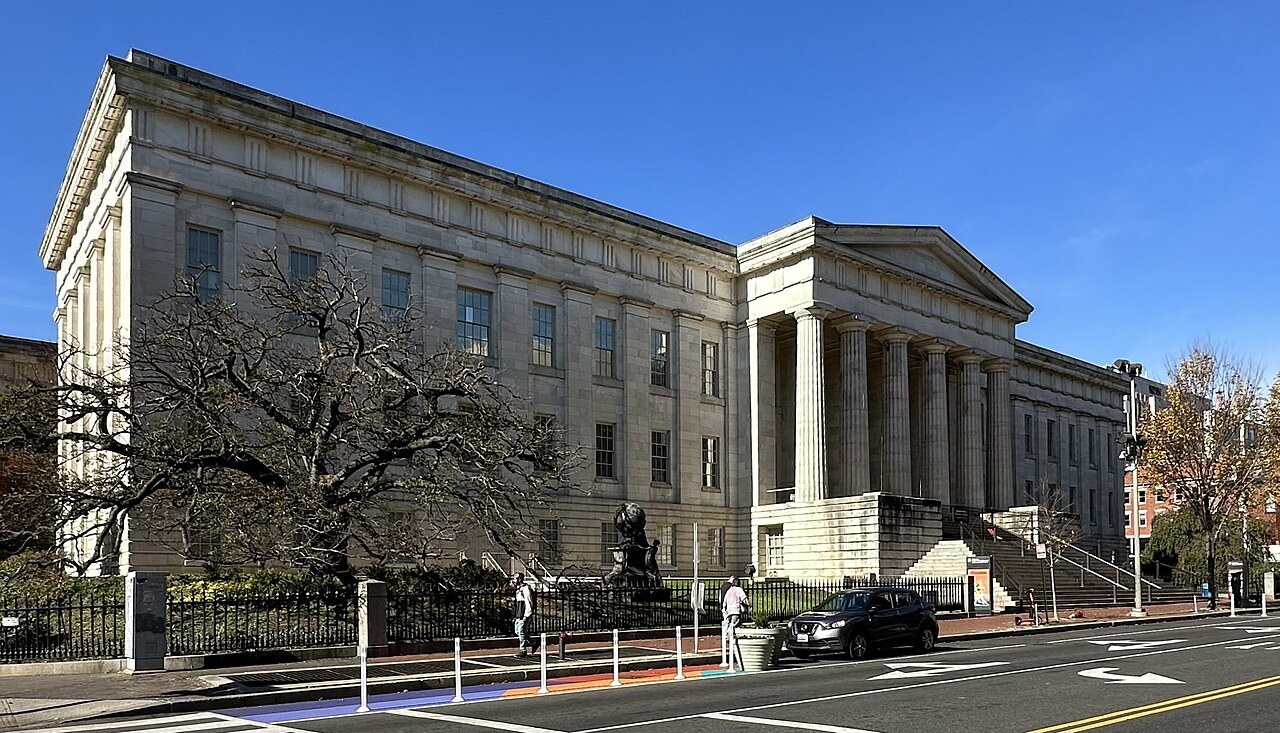 F St · 8th St NW15The National Portrait Gallery and the Old Patent OfficeA Greek Revival block built from 1836 to 1867 for the Patent Office, now two Smithsonian art museums.
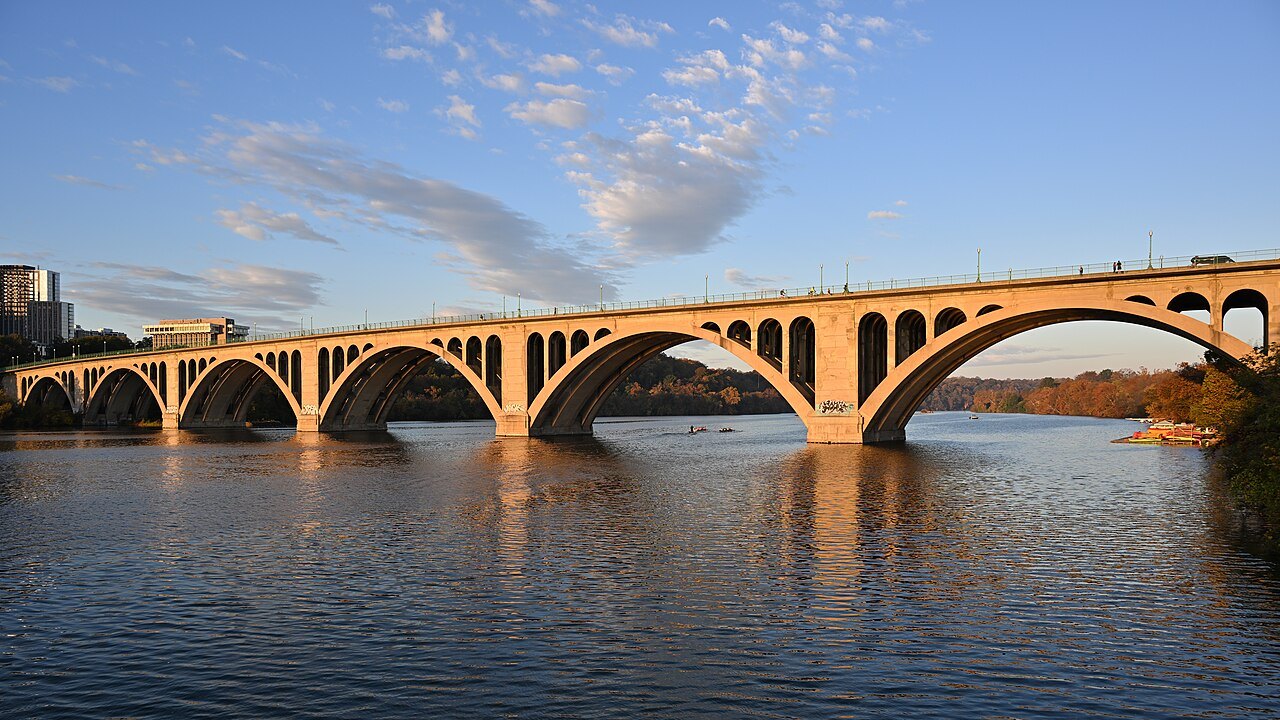 M St · Wisconsin Ave NW16Georgetown and the C&O CanalA Potomac port founded in 1751, forty years older than the capital, where the Chesapeake and Ohio Canal begins.
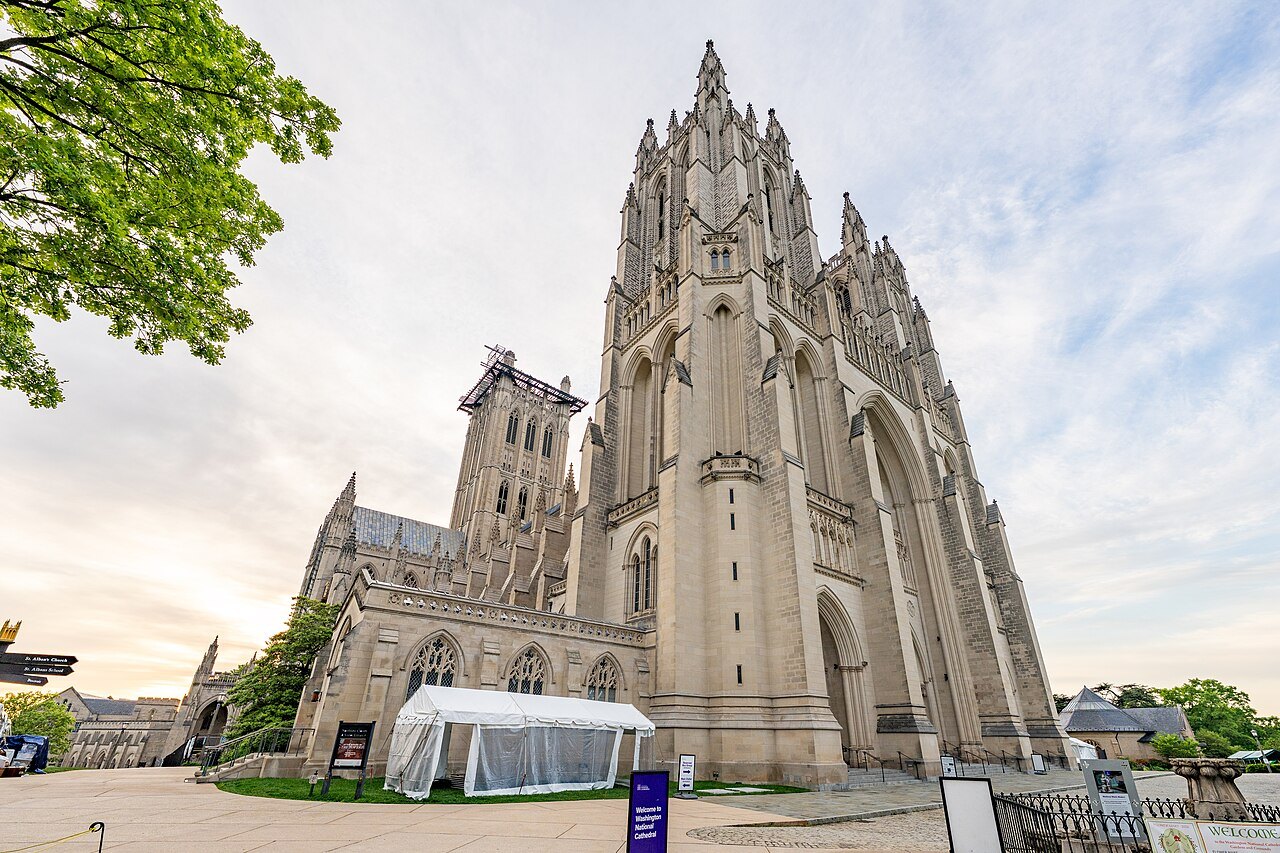 Wisconsin Ave · Massachusetts Ave NW17Washington National CathedralBegun in 1907 and finished in 1990, the second-largest church building in the United States.