Home · Sights · The White House and Lafayette Square
What you are looking at01
The White House and Lafayette Square
1600 Pennsylvania Ave NW
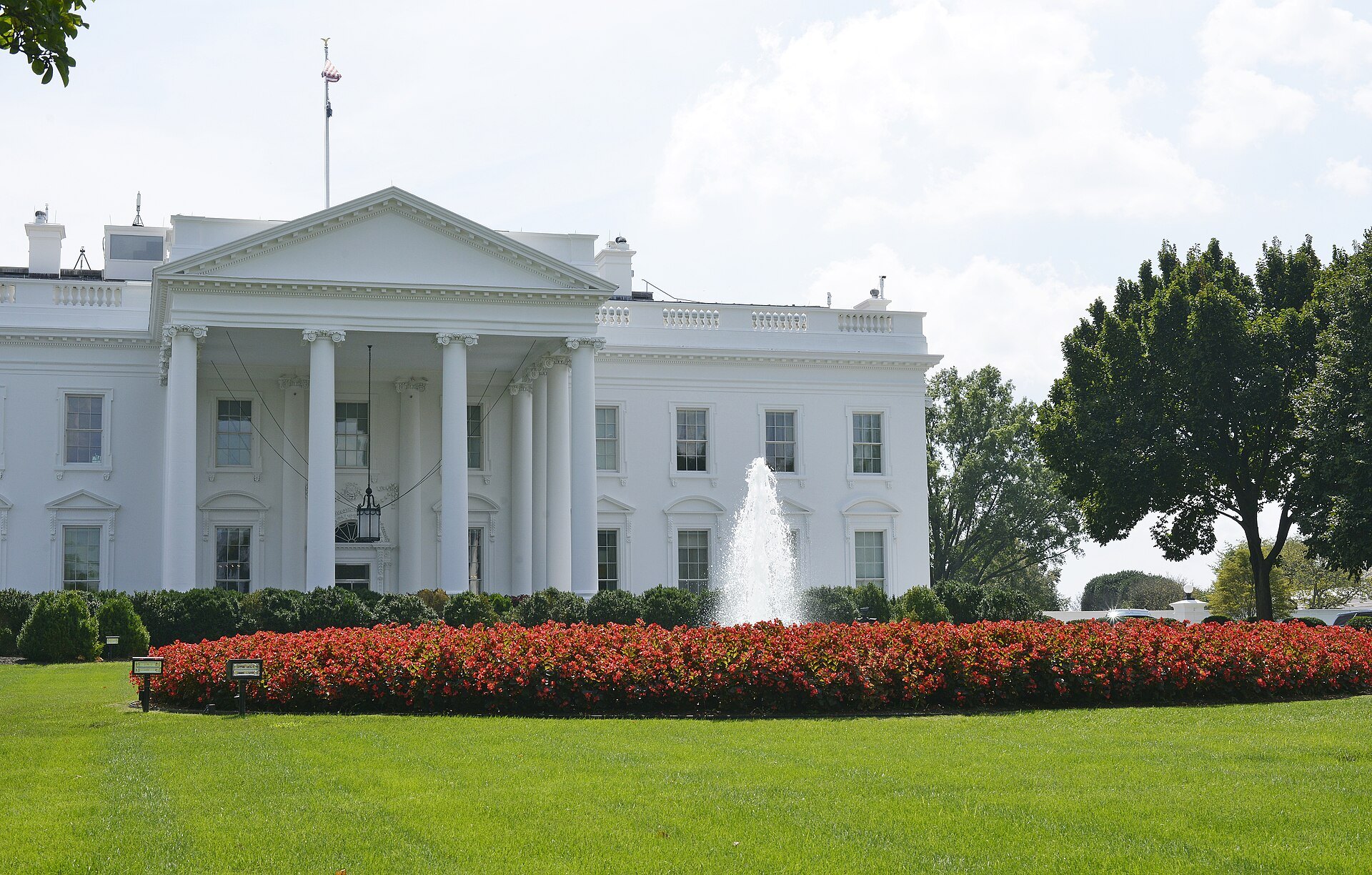
- The North PorticoThe columned porch facing Lafayette Square across Pennsylvania Avenue, added in 1829.
- The South PorticoThe curved porch toward the Ellipse and the Mall, added in 1824.
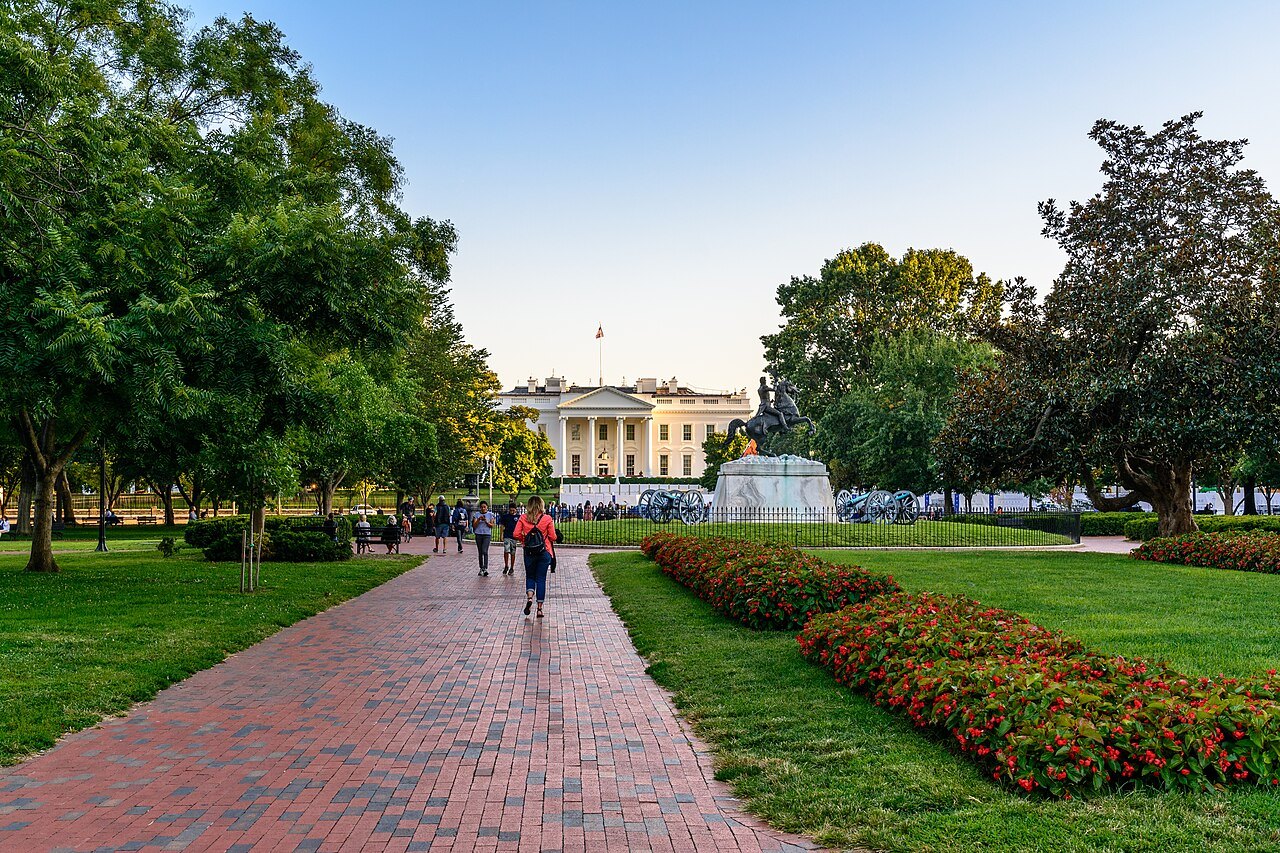
- Lafayette SquareA seven-acre park on the house's north side, with the equestrian Andrew Jackson at its center.
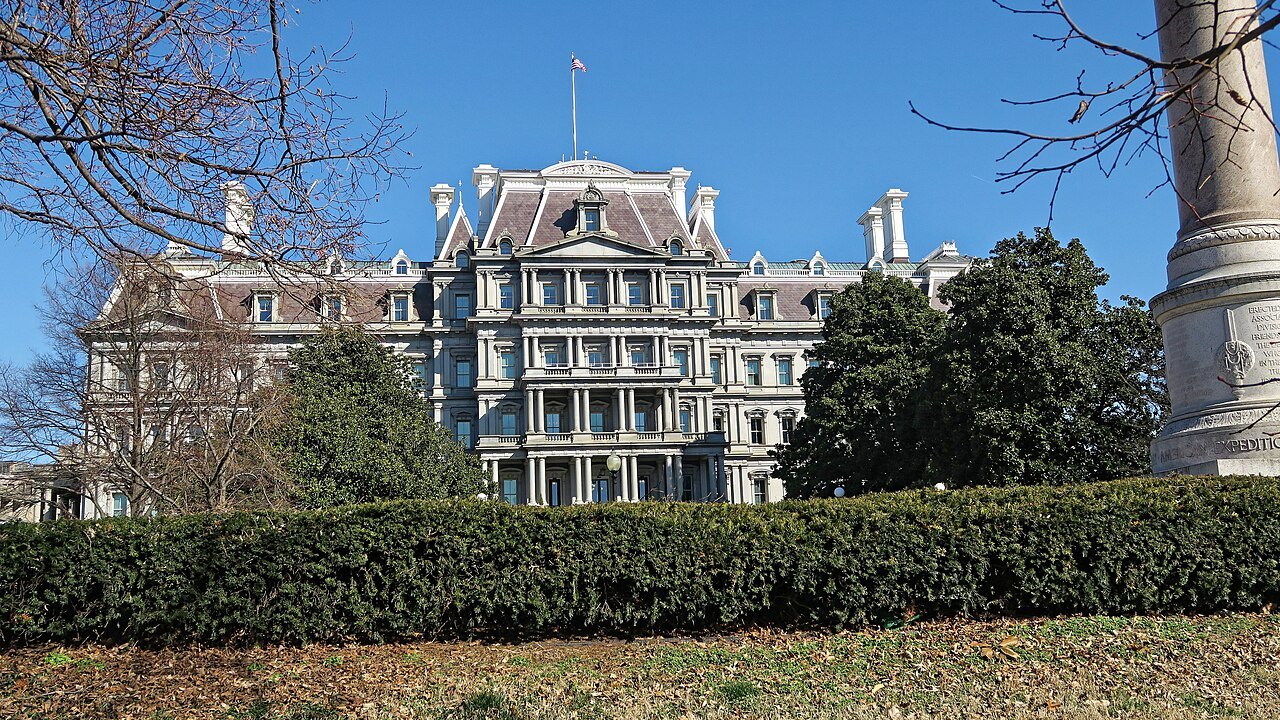
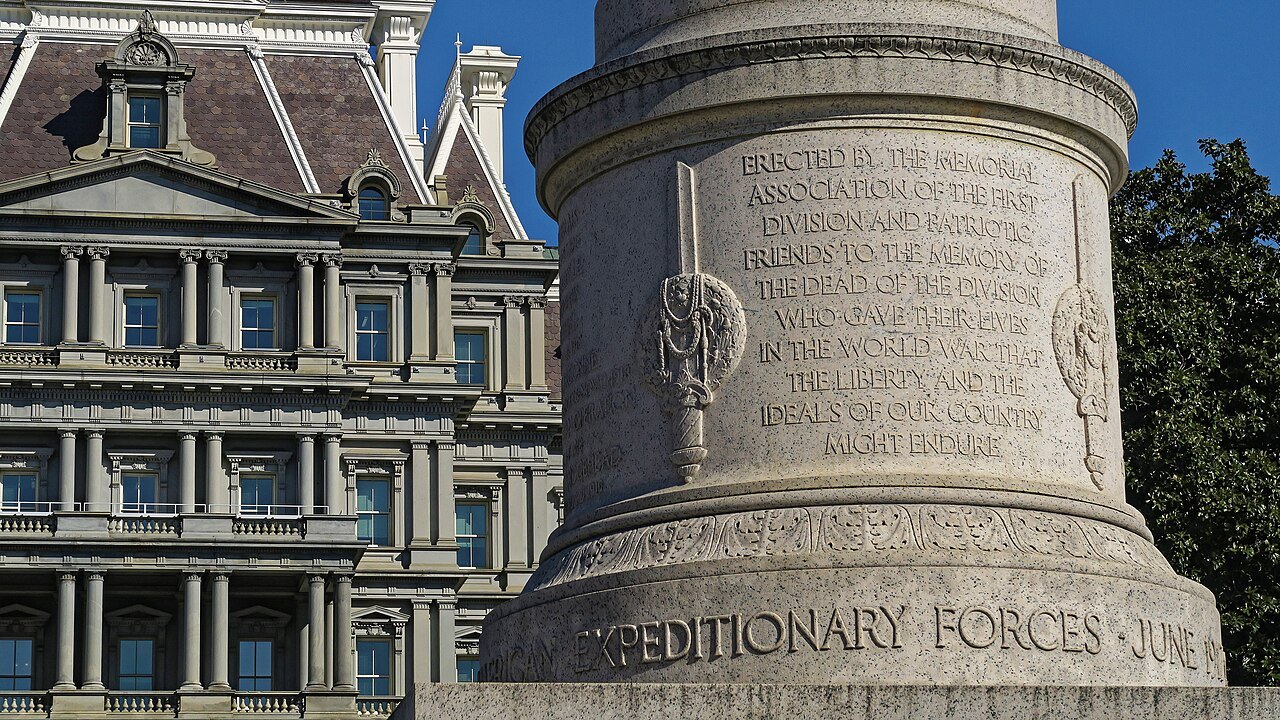
- The Eisenhower Executive Office BuildingThe vast French Second Empire office building beside the West Wing, opened in 1888.
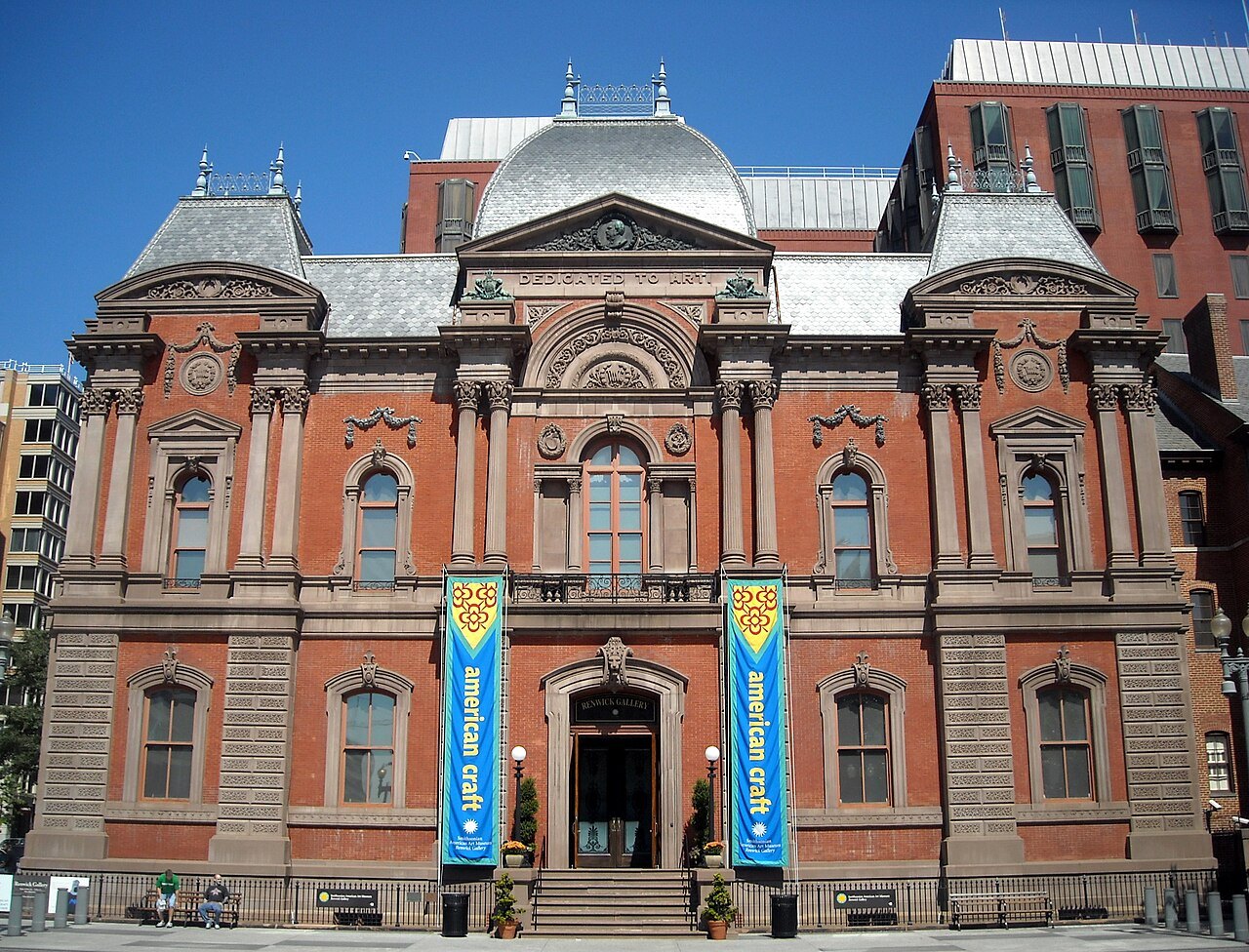
- The Renwick GalleryThe Smithsonian's museum of American craft, in a building on Pennsylvania Avenue near the square.
- The White House Visitor CenterExhibits on the house and its families, on Pennsylvania Avenue in the Federal Triangle.
The sight in full02
Reading the place
Why it matters
The White House is the official residence and workplace of the president of the United States, at 1600 Pennsylvania Avenue NW, and every president has lived in it since John Adams moved in in 1800, when the capital came from Philadelphia. It stands at the north end of the cross-axis of the plan, due north of the Jefferson Memorial across the Tidal Basin, and L'Enfant linked it to the Capitol by Pennsylvania Avenue, which is why the avenue still runs between them on its long diagonal (see the plan).
It is a working building of government, not a museum, even though Congress declared it one in 1961 to protect its historic contents. The grounds and the house are guarded, the streets beside it carry no traffic, and what a visitor can see depends on the arrangements of the day, which the Secret Service and the Park Service set and change. The house and grounds are maintained by the National Park Service as part of President's Park.
Hoban's house
After L'Enfant was dismissed in 1792, Washington and Jefferson held a design competition for the President's House. Nine proposals came in, and the prize went to James Hoban, an Irish-born architect trained in Dublin, whose courthouse in Charleston Washington had seen on his southern tour the year before. Hoban modeled the house on Leinster House in Dublin, now the seat of the Irish parliament.
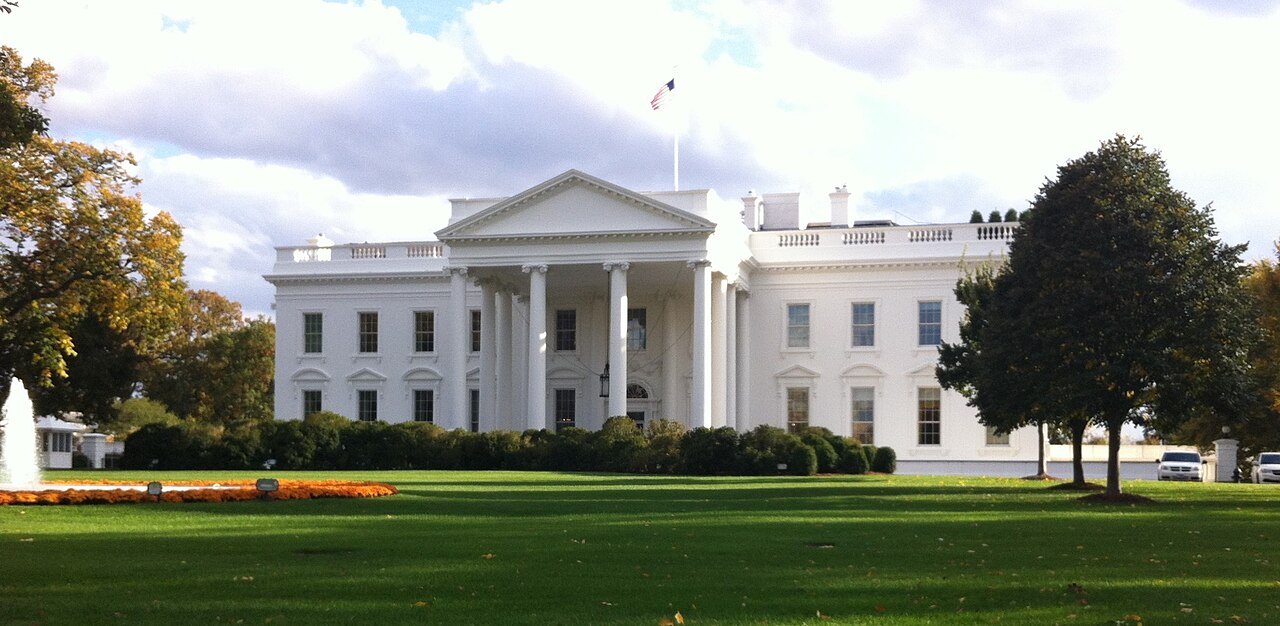
It was built from 1792 to 1800 of Aquia Creek sandstone painted white. The builders were largely paid European workers, while enslaved African Americans quarried the stone. In August 1814 British forces set it on fire, gutting the interior and charring much of the outside; it was rebuilt at once, and President James Monroe moved back in in October 1817. The South Portico was added in 1824 and the North Portico in 1829.
A house that grew
The offices moved out of the residence in 1902, when Theodore Roosevelt built the West Wing, and in 1909 William Howard Taft enlarged it and created the first Oval Office. An East Wing for social events and offices was completed in 1946. Soon afterwards the house was found to be structurally unsound, and under President Truman the interior was entirely dismantled and a new steel frame built inside the old walls; the Truman Balcony was added to the south front.
The house has kept changing. The original East Wing was demolished in 2025 to make way for a new East Wing, which is being built, so the view of the east side from the Ellipse and from 15th Street includes construction. The Executive Residence itself has six storeys, counting a two-storey basement, most of it out of sight from the street.
What you actually see
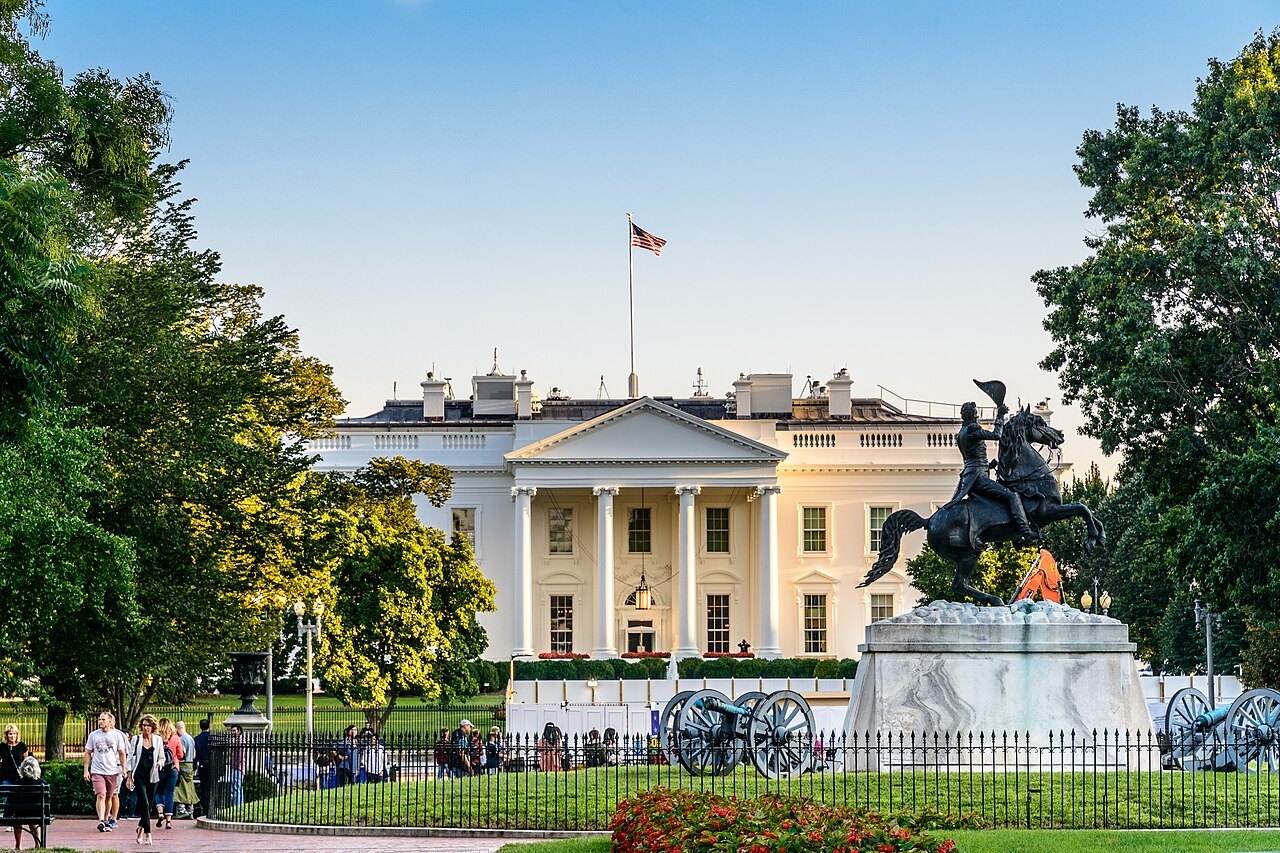
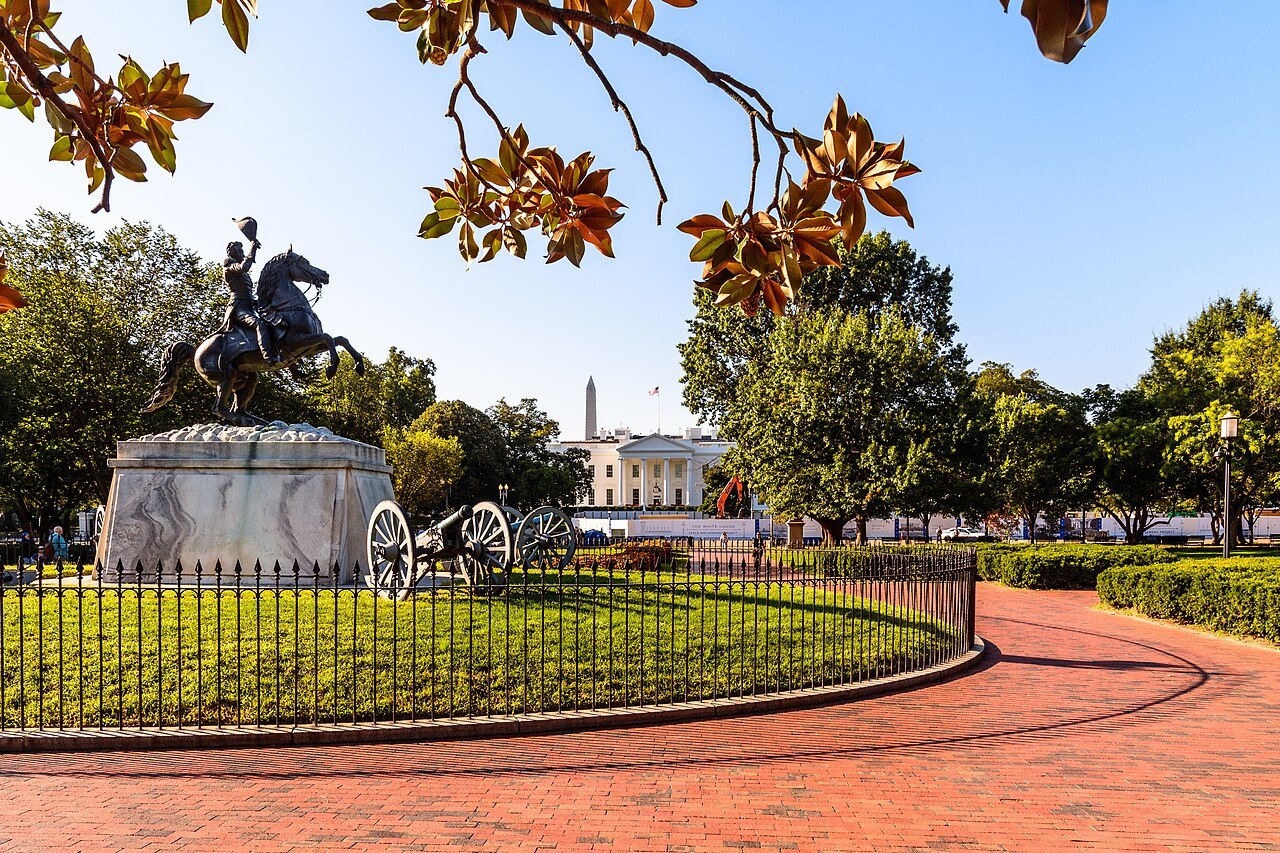
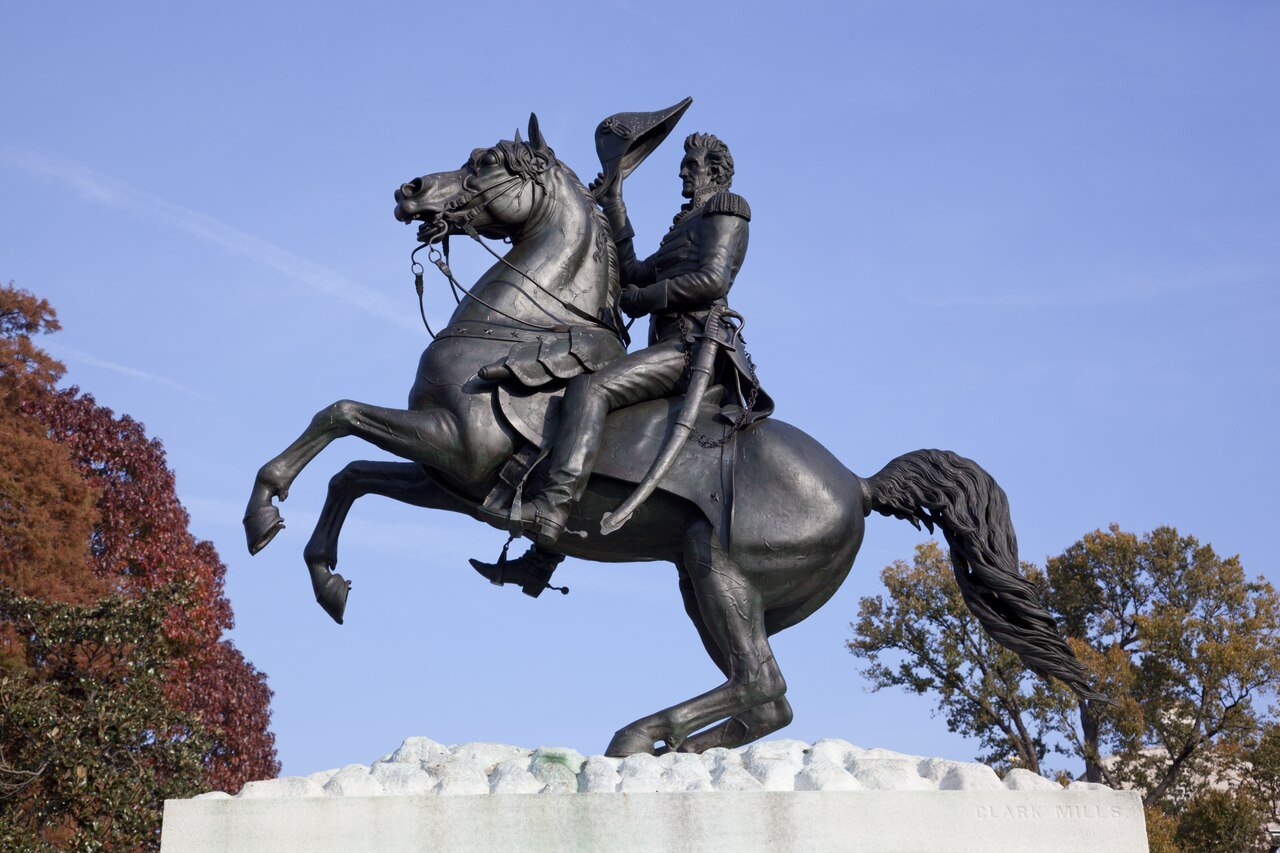
From Pennsylvania Avenue, which became a pedestrian plaza in front of the house, you see the North Portico across the North Lawn, the view on the old twenty-dollar bill, through the fence. Behind you is Lafayette Square, a seven-acre park named for the Marquis de Lafayette, the French hero of the Revolutionary War. At its center is Clark Mills's statue of Andrew Jackson on a rearing horse with both front hooves in the air, and at the corners stand statues of Lafayette and the other European officers who fought for American independence.
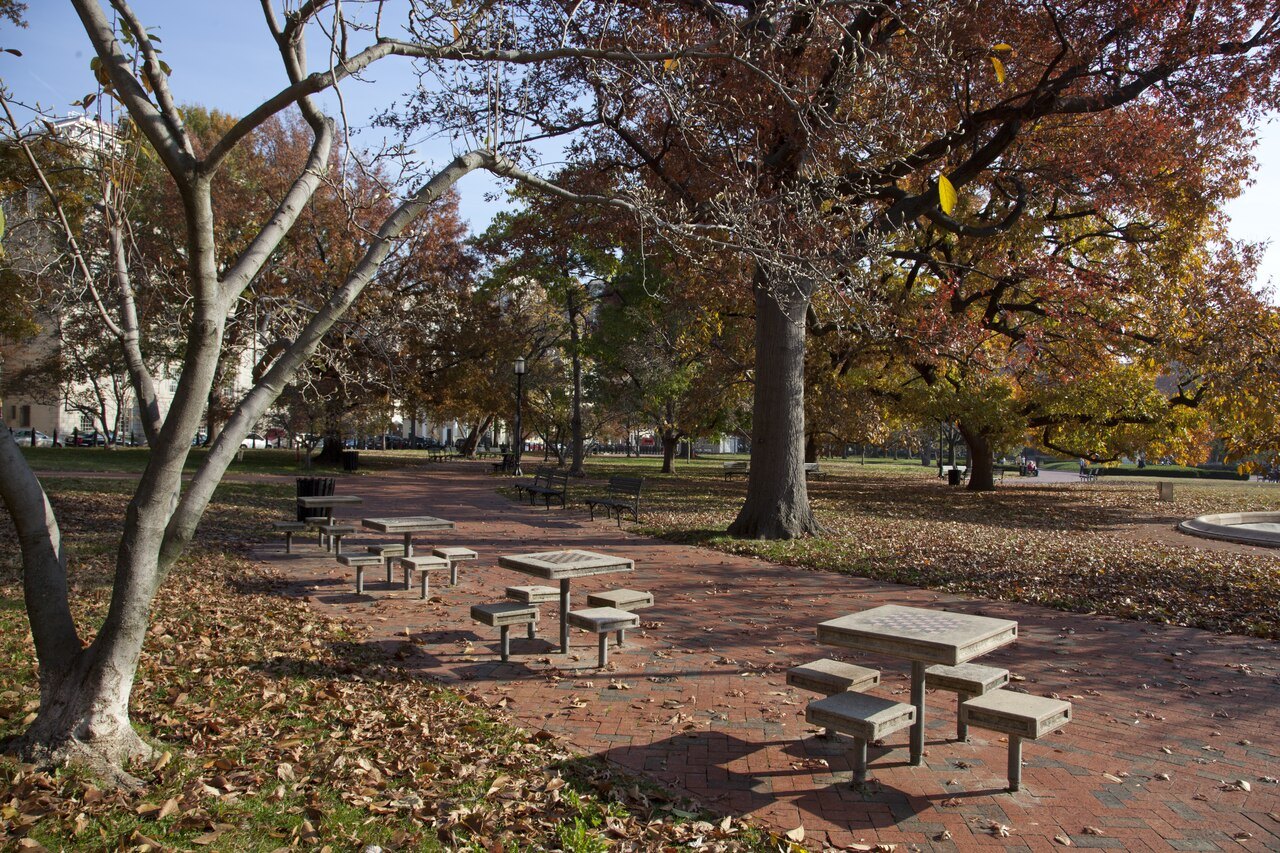
Around the square are historic houses and churches, among them St. John's Church, and on its west side, by the West Wing, rises the Eisenhower Executive Office Building, opened in 1888 as the State, War, and Navy Building, now offices for the White House staff. At the corner of Pennsylvania Avenue and 17th Street is the Renwick Gallery, the Smithsonian's museum of American craft and decorative arts.
The south side of the house is seen from the Ellipse, the park between the grounds and Constitution Avenue: the curved South Portico and the Truman Balcony, across the South Lawn. From here the Washington Monument is directly behind you.
How to visit
Public tours of the house exist, but they must be arranged through a member of Congress, so a visitor from the United States should ask their representative or senator well in advance; visitors from other countries should check the current arrangements for international guests. Visitors give their personal details to the congressional office, and every tour passes through strict security. Tours can be cancelled at short notice for official events (see booking ahead).
Anyone can see the outside. Walk along the pedestrian stretch of Pennsylvania Avenue for the north front and Lafayette Square, then round to the Ellipse for the south front. The White House Visitor Center, run by the National Park Service in the Commerce Department building on Pennsylvania Avenue between 14th and 15th Streets, has six permanent exhibits on the families, symbols, architecture, rooms and ceremonies of the house, and is the practical alternative for anyone without a tour. Demonstrations are a regular part of life in Lafayette Square and on the avenue, and access to parts of the area can close with little notice for security.
Honest notes
The house was not called the White House because it was painted after the fire of 1814; it was white from the beginning, its sandstone painted to protect it. The rooms seen on a tour are the historic public rooms of the ground and state floors, not the family's private quarters or the West Wing's offices. And much of what a visitor pictures is from the south, the side reached from the Ellipse, not from Pennsylvania Avenue.
Where to go next03
Nearby
- Nearby · F St · 8th St NWThe National Portrait Gallery and the Old Patent OfficeTwo Smithsonian museums in one Greek Revival block, the Old Patent Office begun in 1836: every president's portrait on one side, American art from the colonial period onward on the other, and a glass-roofed courtyard between them.Read the page →
- Nearby · The Mall · 15th StThe Washington MonumentA marble obelisk 555 feet tall, begun in 1848, abandoned for more than twenty years at 152 feet, finished in 1884 and still marked by the change of stone where the work stopped.Read the page →
- Nearby · West Potomac Park · SWThe Tidal Basin and the Jefferson MemorialA man-made basin ringed by the cherry trees Tokyo gave the city in 1912, with John Russell Pope's domed Jefferson Memorial of 1943 on its southern shore and the memorials to Roosevelt and King along its western edge.Read the page →