Home · Sights · Cedar Hill, the Frederick Douglass House
What you are looking at01
Frederick Douglass's Cedar Hill, Anacostia
1411 W St SE
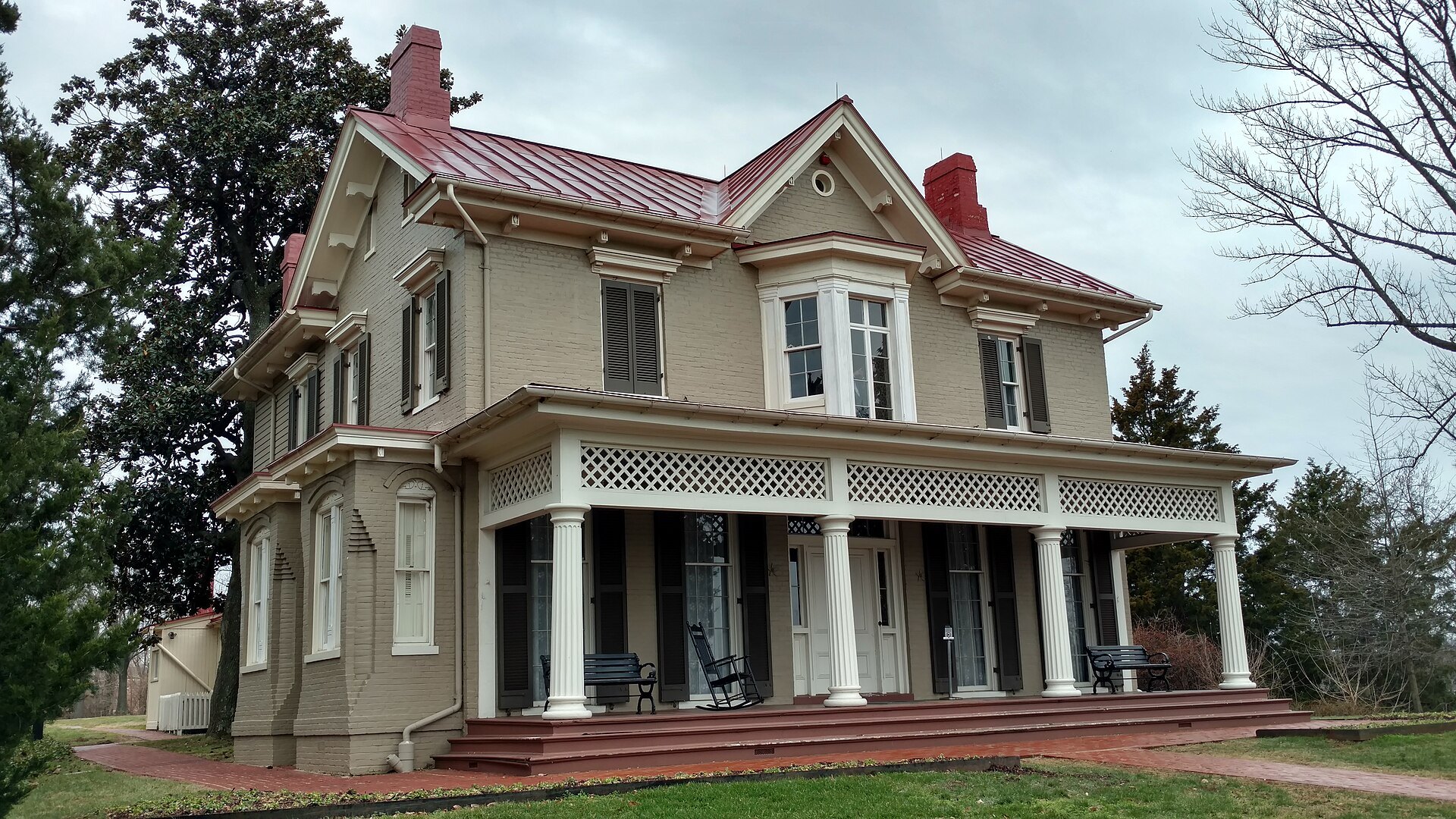
- The houseA Victorian house that Douglass enlarged from fourteen rooms to twenty-one, with his library and much of his furniture.
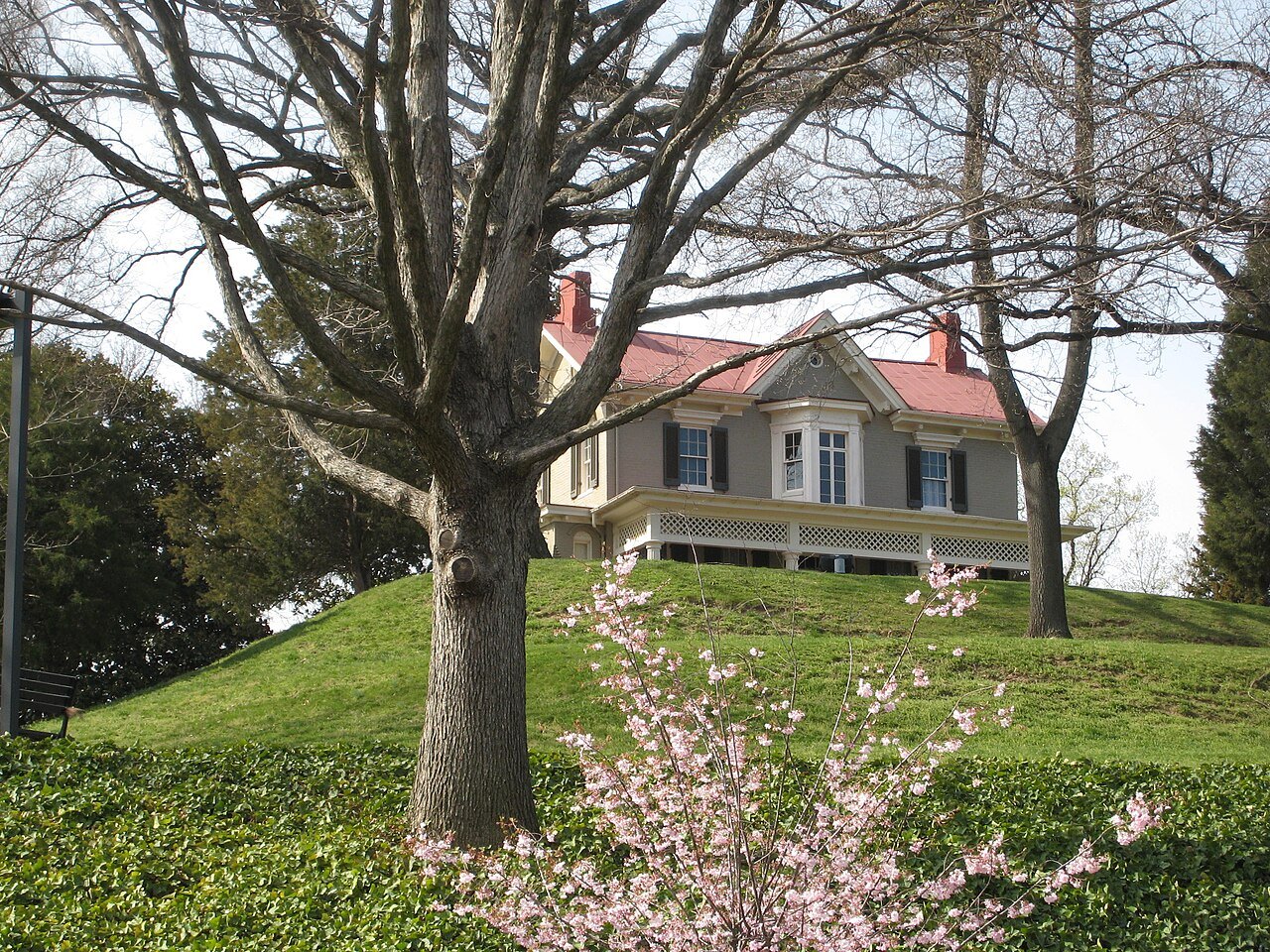
- The viewFrom the hilltop lawn, the Capitol and the skyline across the Anacostia River.
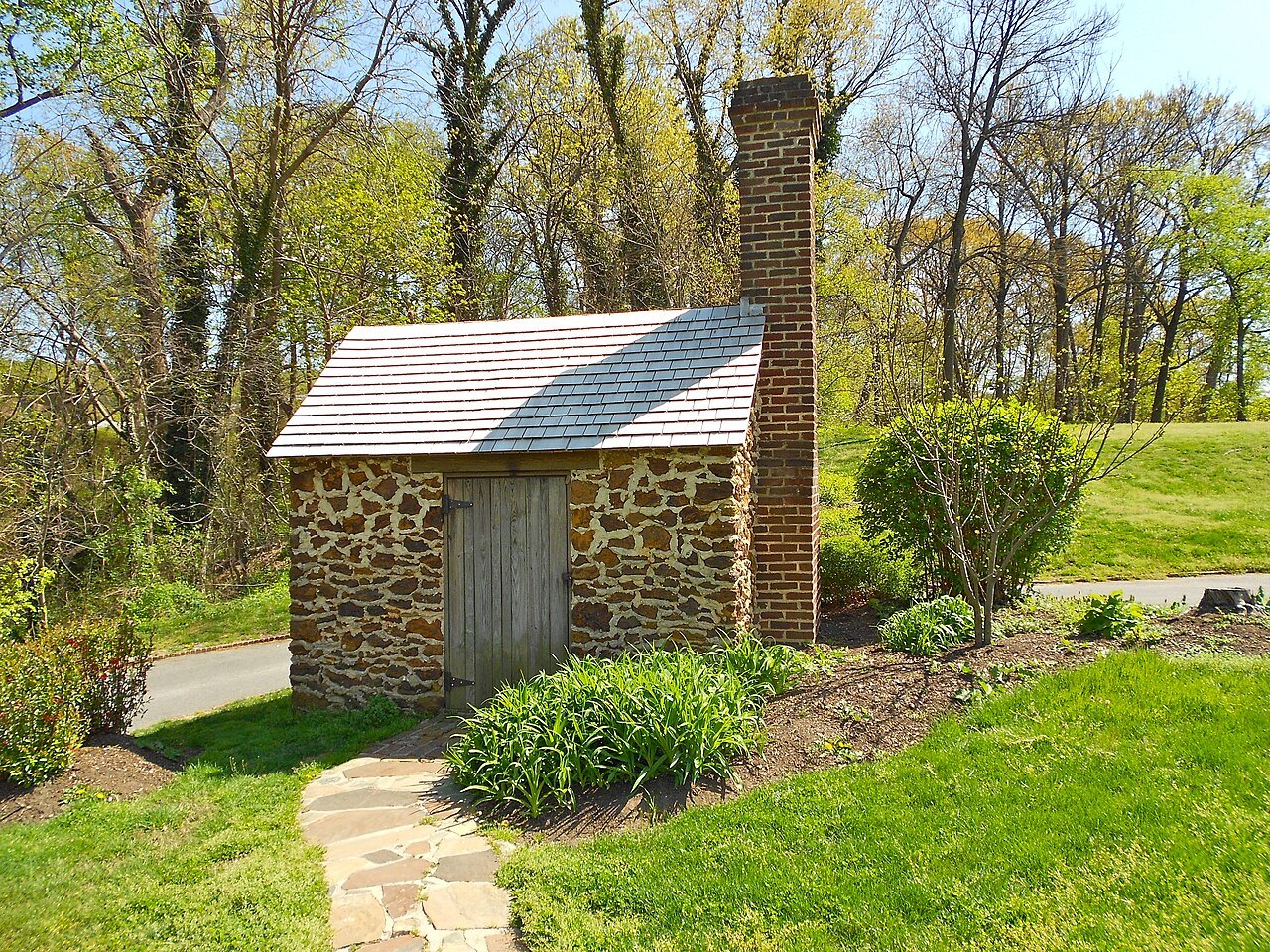
- The GrowleryA reconstruction of the small stone building where Douglass shut himself away to write and think.
- The visitor centerExhibits and a film at the foot of the hill, where visits begin.
- AnacostiaThe historic neighborhood around the site, with the Smithsonian's Anacostia Community Museum nearby.
The sight in full02
Reading the place
Why it matters
Frederick Douglass was born into slavery in Talbot County, Maryland, in 1818, escaped in 1838 and became the most famous abolitionist orator and writer of his century; his Narrative of the Life of Frederick Douglass, an American Slave, published in 1845, was a bestseller. In 1877, after President Hayes appointed him marshal for the District of Columbia, the first time a Black man received a federal appointment requiring Senate approval, he bought a house on a hill east of the Anacostia River and named it Cedar Hill. He lived there until he died in 1895.
The Frederick Douglass National Historic Site, run by the National Park Service since the government took the deed in 1962, preserves the house and its grounds. It is the one great sight east of the river, in Southeast, and it gives a different view of the city in both senses: from its lawn you look back across the water at the dome of the Capitol, where Douglass spent so much of his life pressing his case.
Cedar Hill
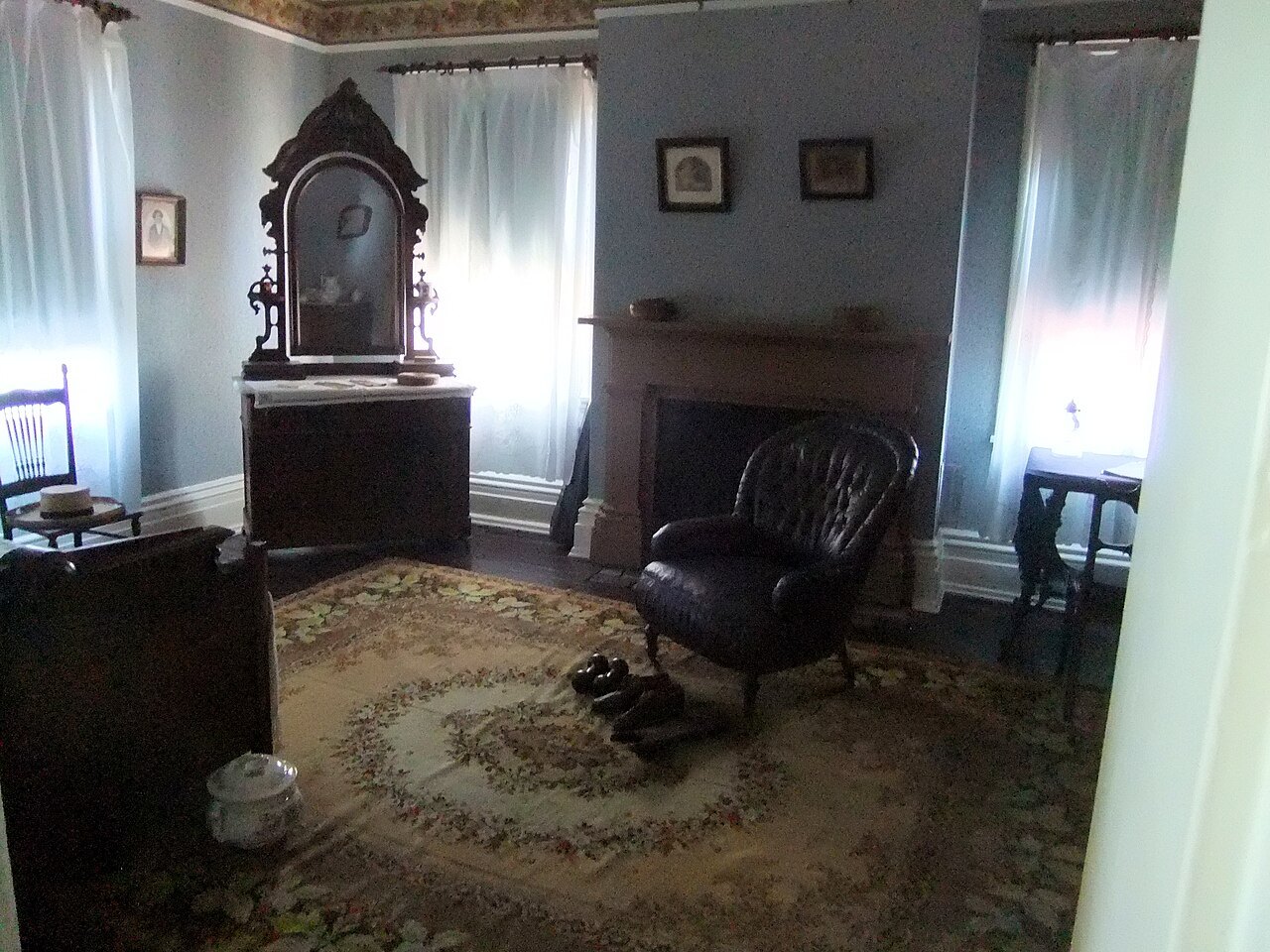
The house was built in the 1850s by John Van Hook in the new suburb of Uniontown, whose original deeds barred sales to African Americans and Irish immigrants. Douglass bought it in 1877, with nine acres, and later added more land. He enlarged it from fourteen rooms to twenty-one, with two-storey library and kitchen wings, and the result is a comfortable L-shaped Victorian house with a long porch, set among trees on the brow of the hill.
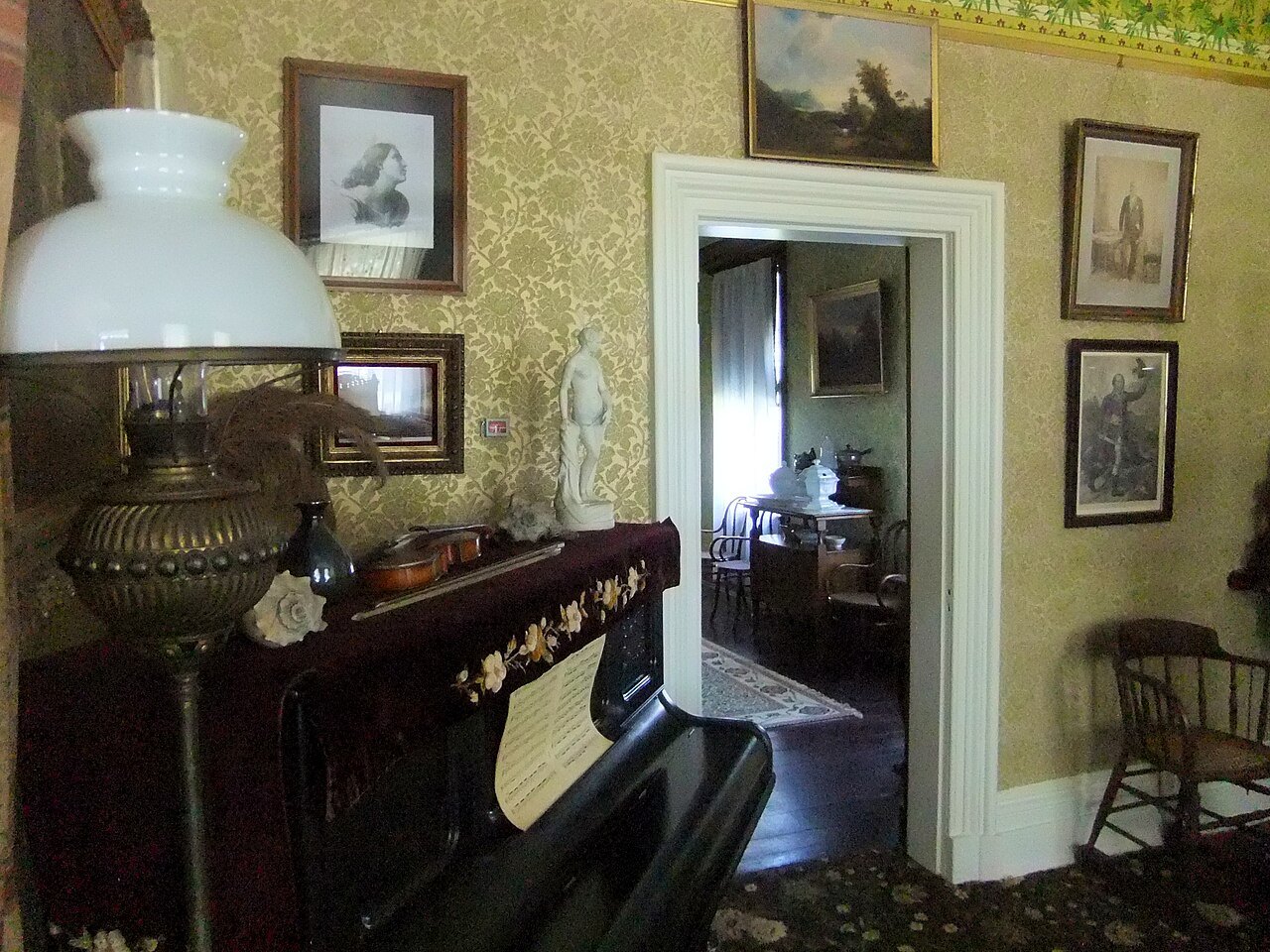
Here Douglass lived as a public man of letters. He wrote in the house and in a small stone outbuilding in the yard that he called the Growlery, where he could be alone; a reconstruction stands on the site. His last autobiography, Life and Times of Frederick Douglass, came out in 1881. His wife Anna Murray Douglass died at Cedar Hill in 1882, and in 1884 he married Helen Pitts, who had worked as his clerk. In the west parlor he and his grandson Joseph played the music of Schubert. On 20 February 1895, after a women's rights meeting in the city, he collapsed and died in the house.
Douglass in Washington
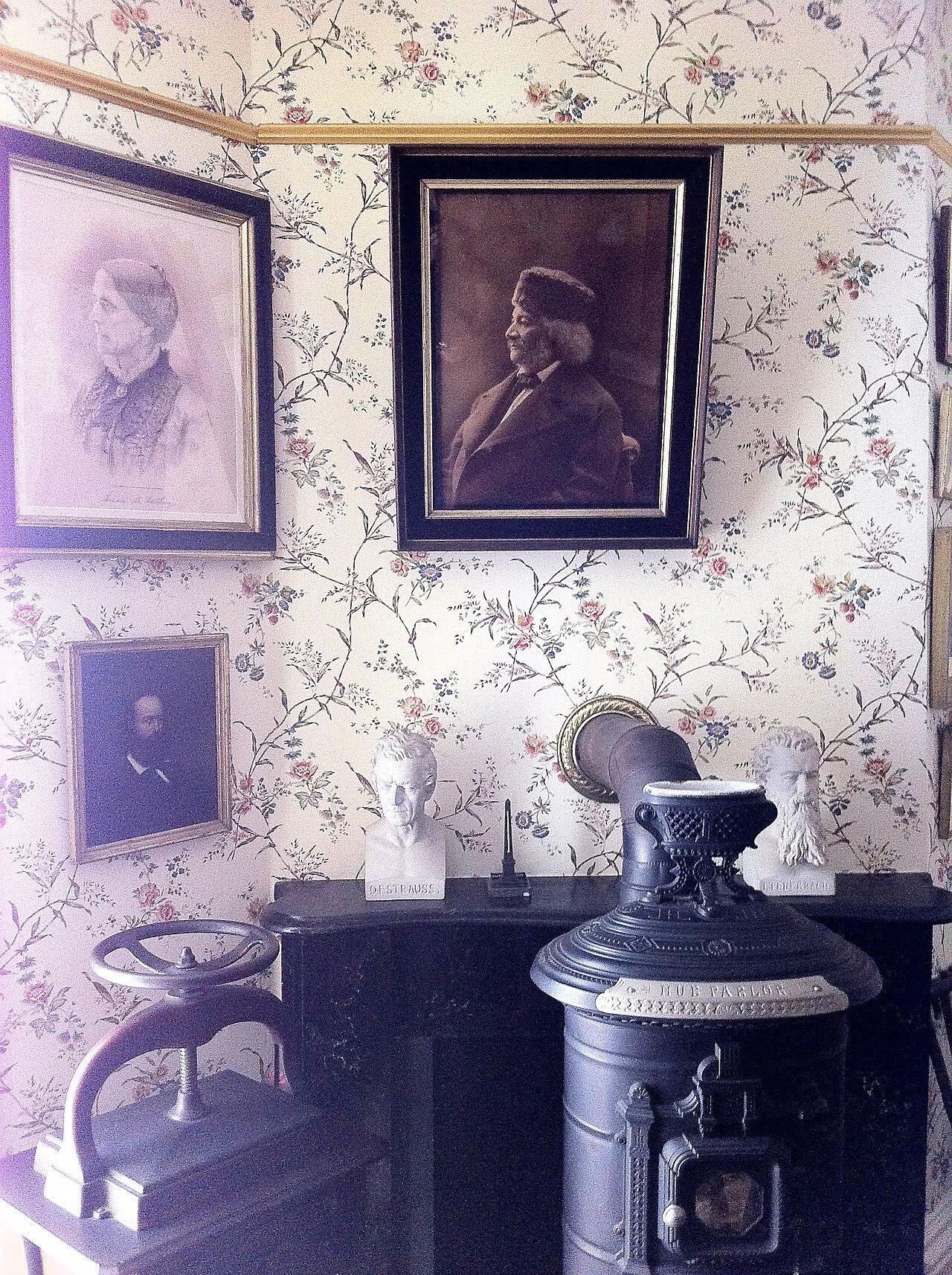
Douglass had moved to the capital in the early 1870s, when he started his last newspaper, the New National Era, and briefly served as president of the Freedman's Savings Bank, which failed in 1874. The appointment as marshal, confirmed by the Senate in March 1877, gave the family security, and in 1881 he became Recorder of Deeds for the District. From Cedar Hill he went on speaking and travelling, in the United States and abroad, and in 1888 he became the first African American to receive a vote for president in a major party's roll call. His years in Washington are part of the city's own history, not only the nation's.
How the house survived
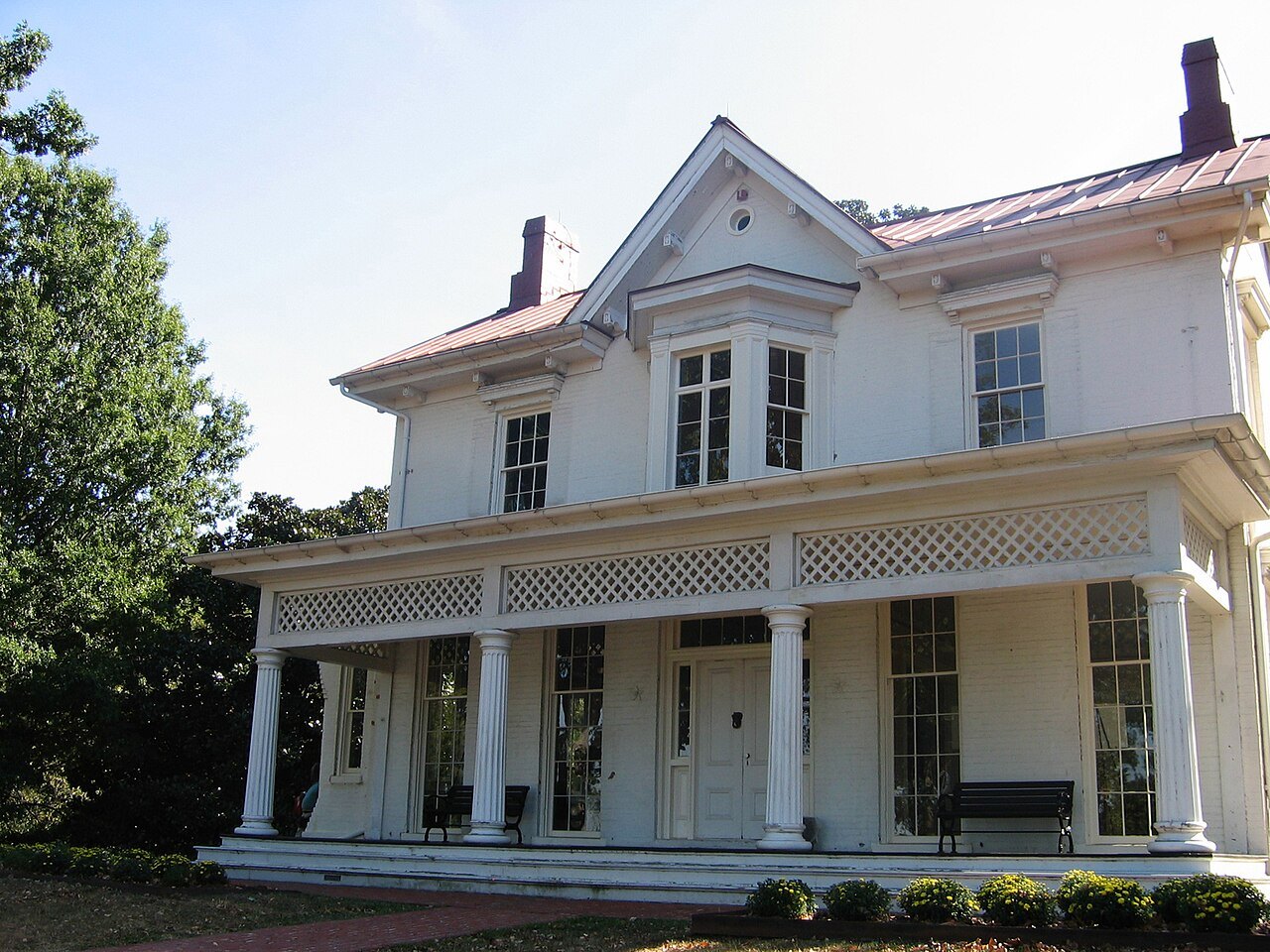
The house is as complete as it is because of Helen Pitts Douglass. After his death she founded the Frederick Douglass Memorial and Historical Association in 1900 to preserve it, and in 1916 the National Association of Colored Women's Clubs joined the effort. In the 1920s the Black architect William Augustus Hazel restored the house, a project believed to be the first historic preservation work by a Black architect in the United States.
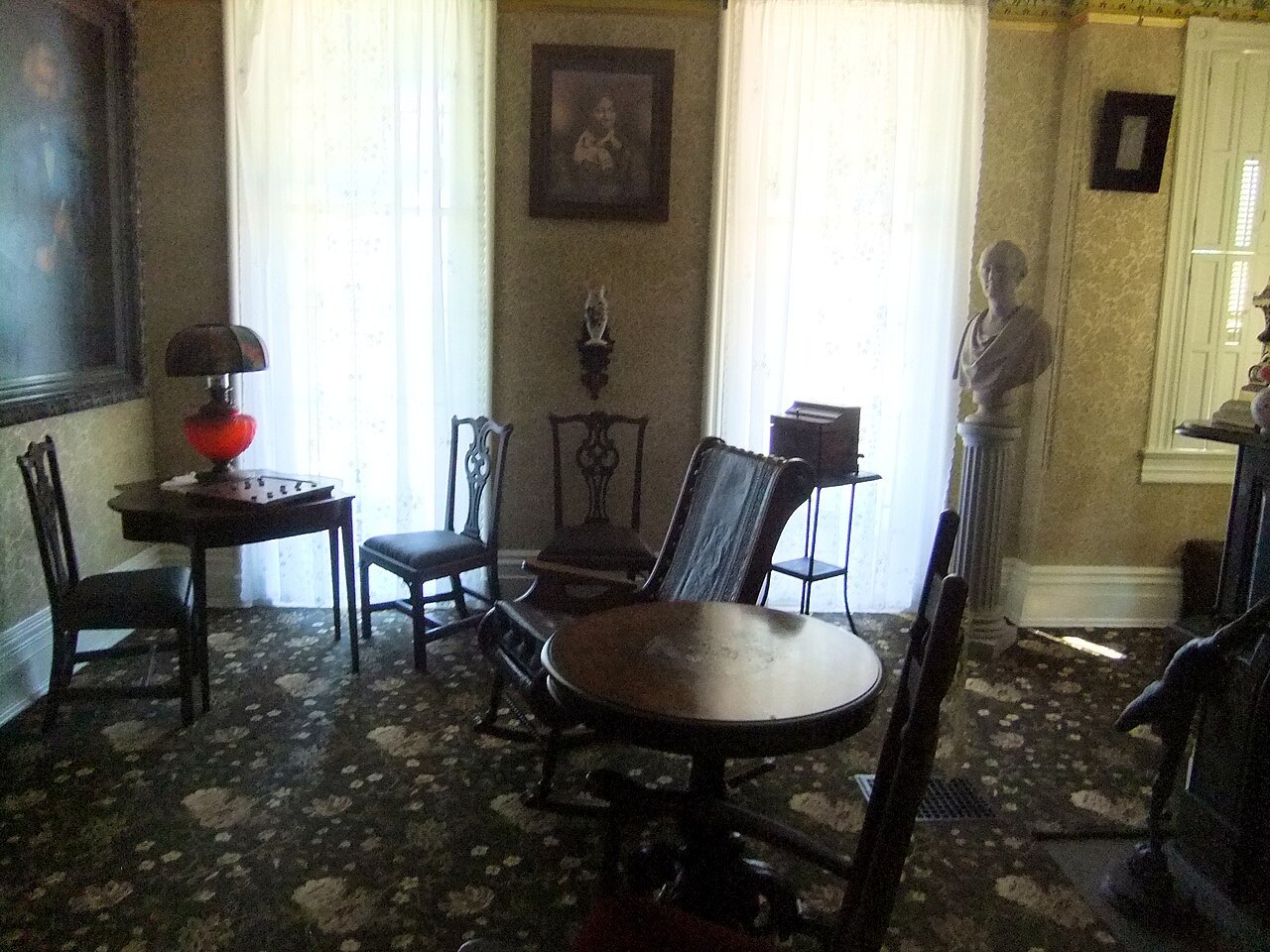
The two organizations cared for it until 1962, when the Park Service took it over, and it became a National Historic Site in 1988. Much of what is inside belonged to the Douglass family, down to his books and a walking stick said to have been Abraham Lincoln's favorite, given to him by Lincoln's widow, which makes the rooms feel lived in rather than staged. In 2017 the site represented the District on a coin in the America the Beautiful quarter series.
What you see
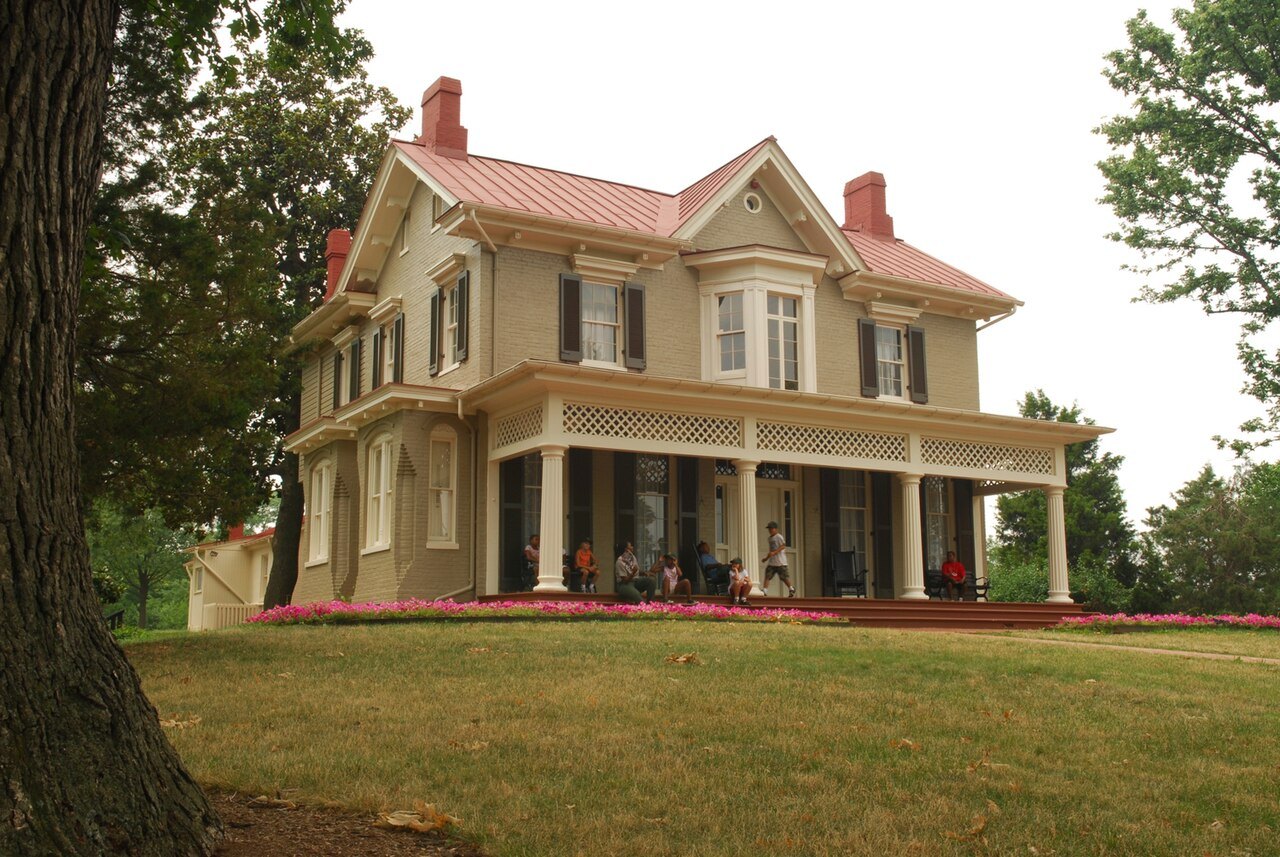
Visits start at the visitor center at the foot of the hill, with exhibits and a film on Douglass's life, then climb the steep path and steps to the house. Inside, a ranger leads you through the parlors, the dining room, the library and the family's bedrooms upstairs. Outside, the lawn gives the famous view: the river, the Navy Yard and the Capitol dome on its hill beyond.
Around the site is Anacostia, a historic neighborhood whose center is the meeting of Martin Luther King Jr. Avenue and Marion Barry Avenue. Its landmarks include the Big Chair, a giant chair on a street corner, and murals. The Smithsonian's Anacostia Community Museum, which focuses on the neighborhoods and communities of the city, is a short ride away, and Anacostia Park runs along the river below.
How to visit
The grounds and the visitor center are easy to reach, but the inside of the house can be seen only on a ranger-guided tour with limited places. Reserve ahead through the Park Service's booking system if you can, and treat walk-in places as a bonus (see booking ahead). Check the site's own page for the arrangements on the day of your visit; tours can change with staffing and weather.
Anacostia station on the Green Line is a short walk away, uphill at the end (see getting around). Allow about two hours with the travel. The climb to the house is steep, so ask the rangers about the accessible approach if stairs are a difficulty.
Honest notes
Few visitors cross the Anacostia River, which is their loss: this is one of the most moving historic houses in the country, and one of the calmest sights in Washington. Because tour places are limited, it rewards planning more than almost anywhere else on this site. Pair it with the National Museum of African American History and Culture, where Douglass's story is told in its national setting.
Where to go next03
Nearby
- Nearby · East end of the Mall · the zero pointThe United States CapitolThe seat of Congress since November 1800, rebuilt after the fire of 1814, crowned by a cast-iron dome finished around 1866, and the point from which every address in the city is counted.Read the page →
- Nearby · Constitution Ave · 14th St NWThe National Museum of African American History and CultureThe Smithsonian's newest museum on the Mall, opened in 2016: a three-tiered bronze-colored corona drawn from a Yoruba crown, and inside it the history of Black America from the Middle Passage to the present, told from the bottom floor up.Read the page →
- Nearby · First St SE · East Capitol StThe Library of Congress and the Supreme CourtAcross First Street from the Capitol stand the Jefferson Building of 1897, the most richly decorated interior in the city, and the marble temple the Supreme Court moved into in 1935.Read the page →