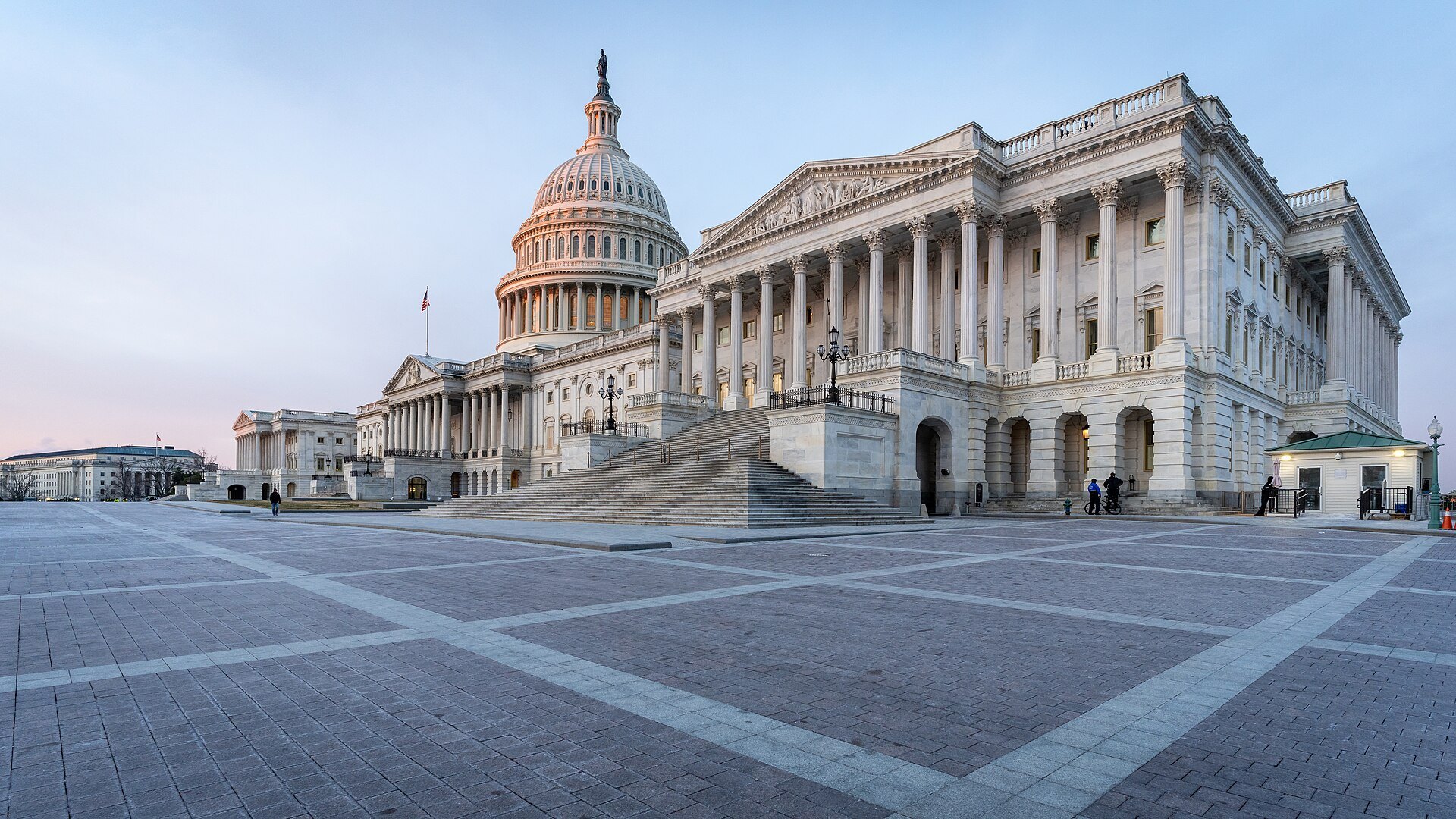
Home · Sights · The United States Capitol
What you are looking at01
The United States Capitol
East end of the Mall · the zero point
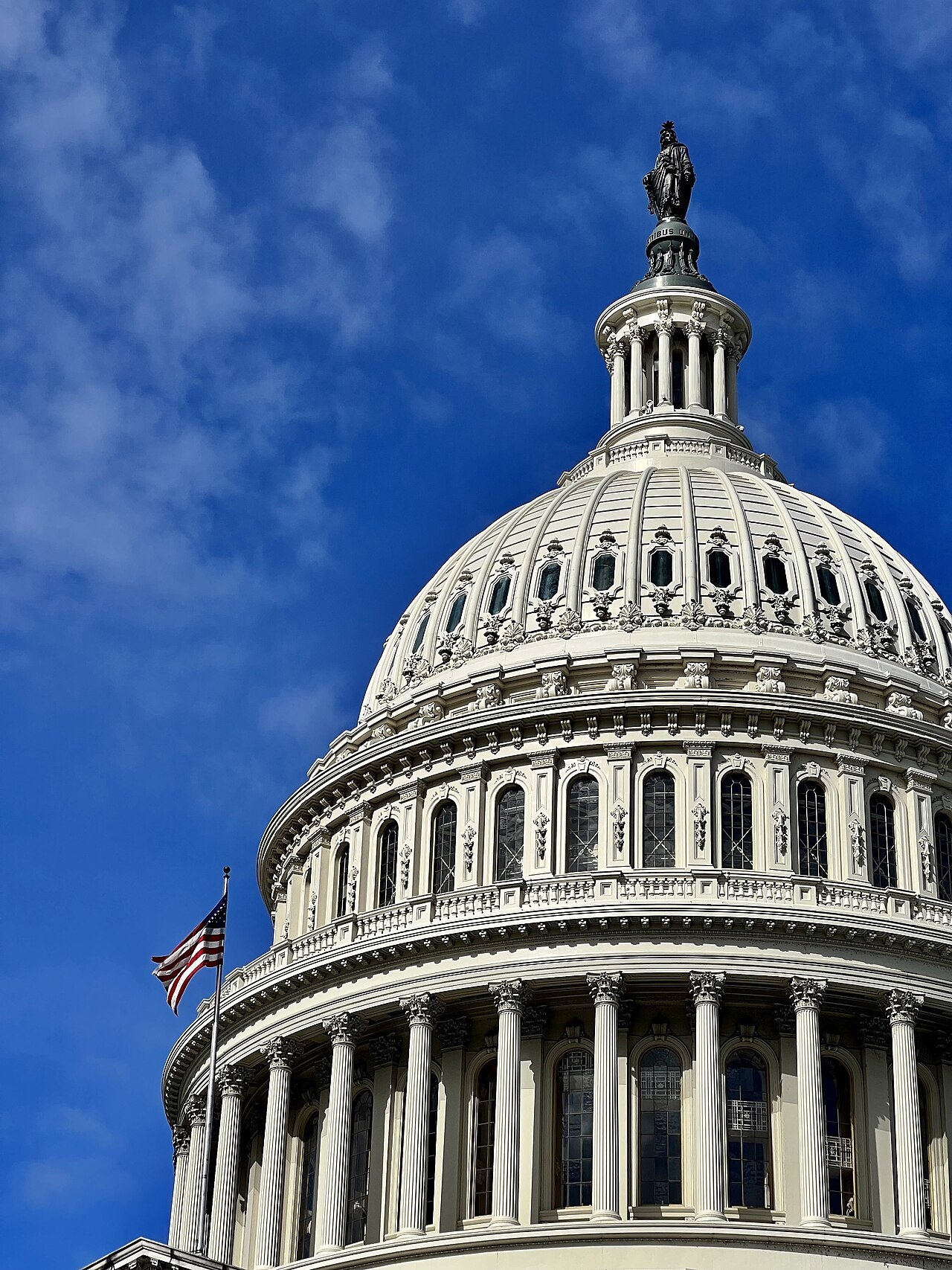
- The domeThomas U. Walter's double dome of cast iron, three times the height of the one it replaced.
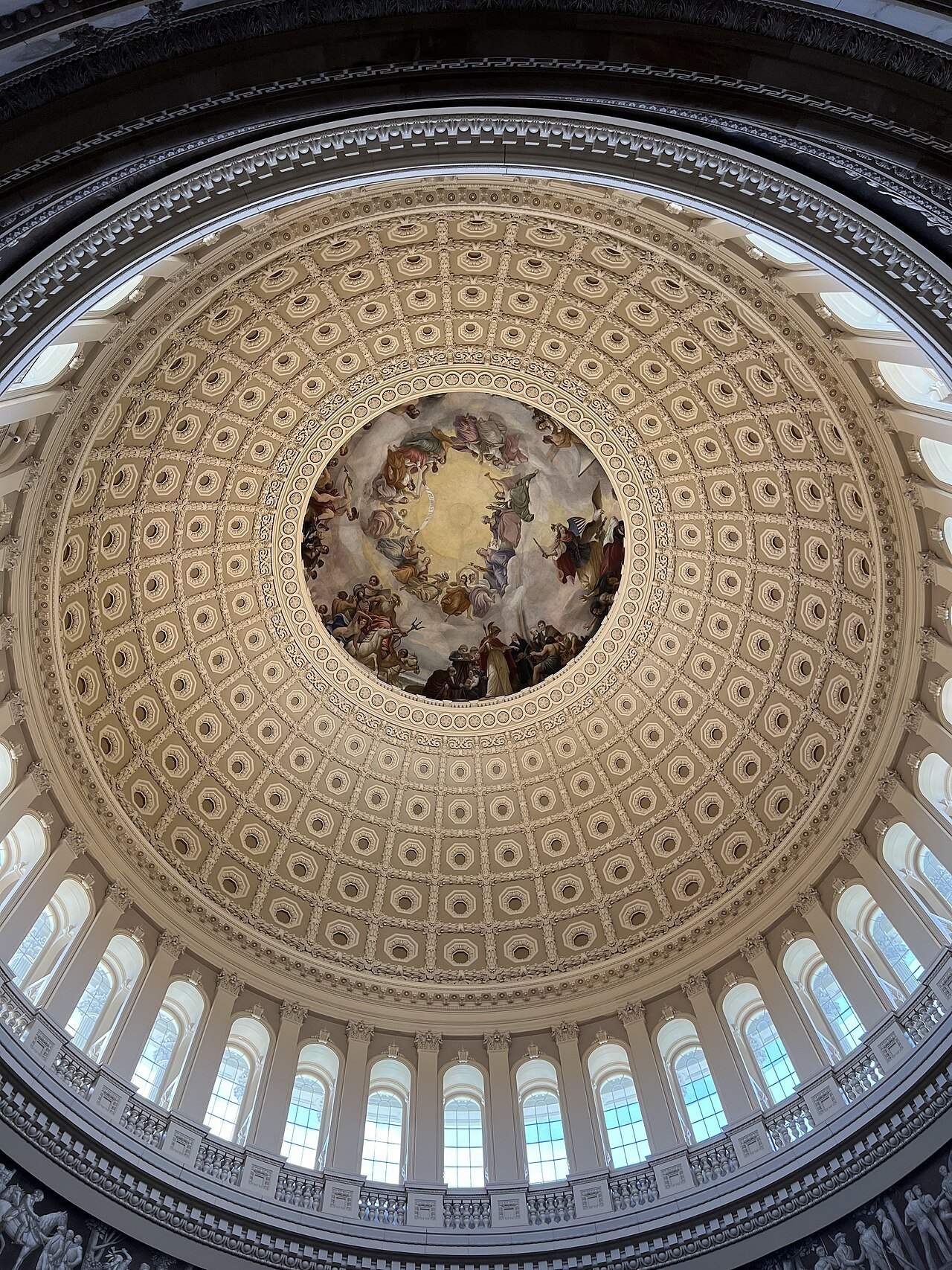
- The RotundaA round hall ninety-six feet across, with Brumidi's fresco 180 feet above the floor.
- The CryptThe room of columns under the Rotunda, with the compass star where the four quadrants meet.
- National Statuary HallThe Old Hall of the House, a semicircular room given over to statues since 1864.
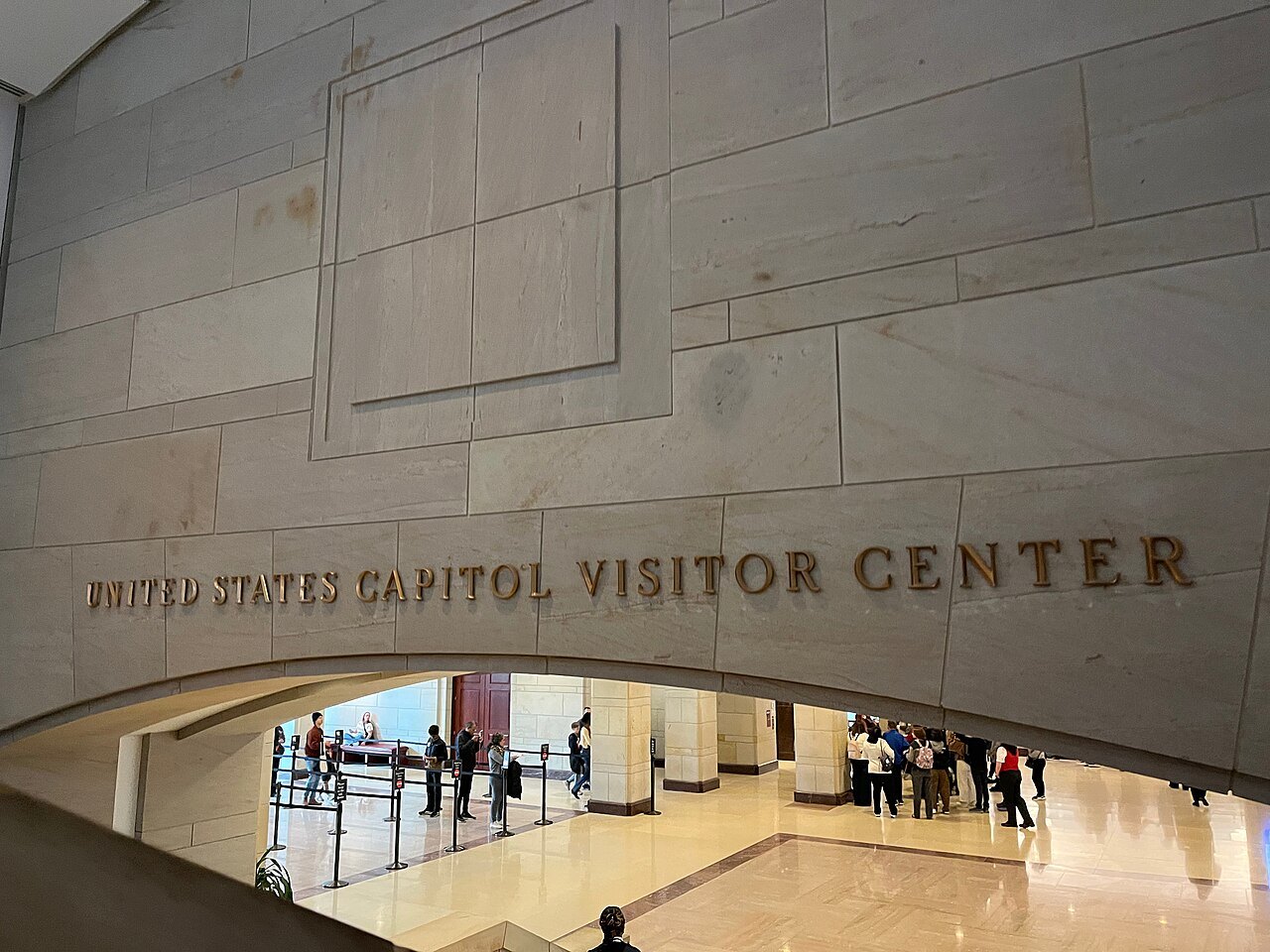
- Emancipation HallThe Visitor Center's main hall underground, with skylights looking up at the dome.
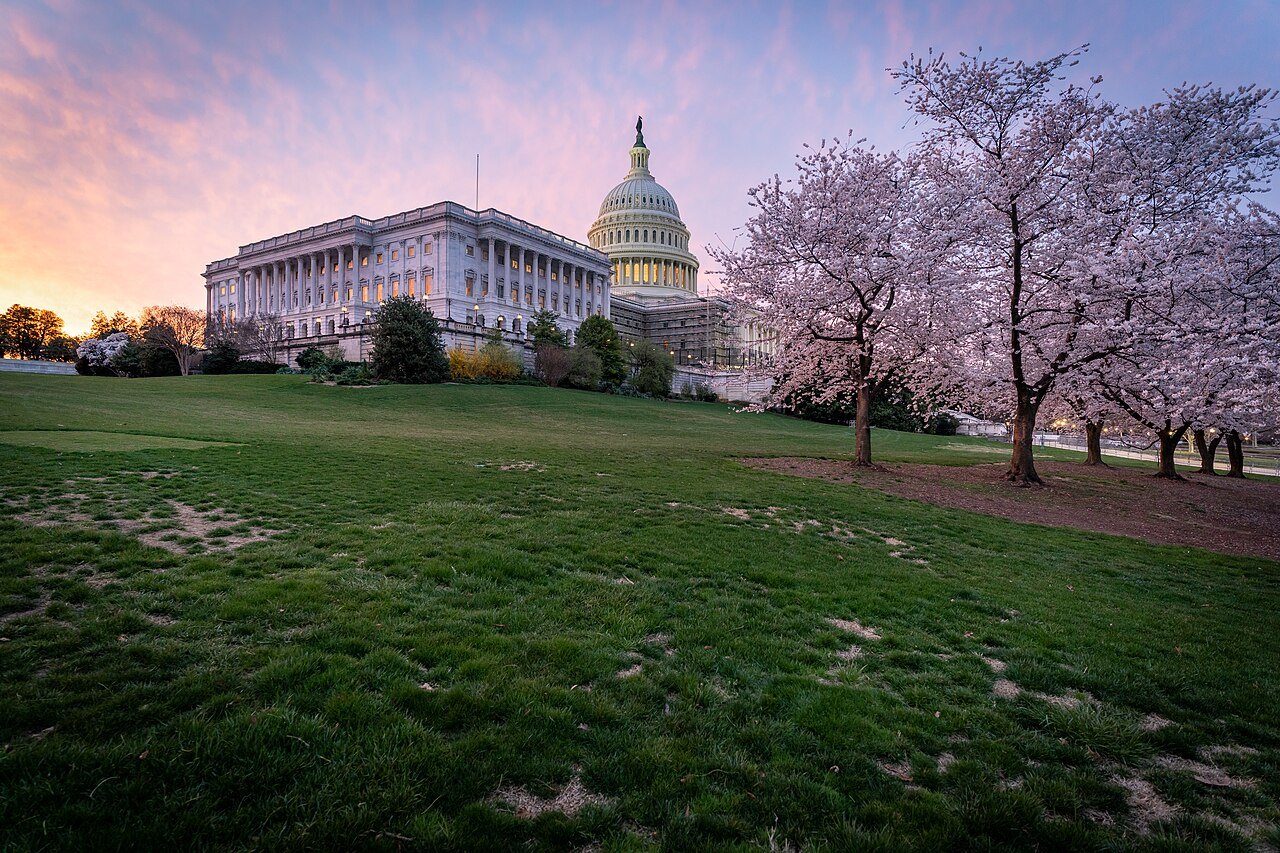
- The West FrontThe long face toward the Mall, above terraces and lawns that fall to the Reflecting Pool.
The sight in full02
Reading the place
Why it matters
The Capitol is the seat of the United States Congress, the Senate in its north wing and the House of Representatives in its south wing, on the hill at the eastern end of the National Mall. Pierre Charles L'Enfant placed it there in his plan of 1791, on what was then called Jenkins Hill, and described the rise as a pedestal awaiting a monument. He linked it to the President's House by Pennsylvania Avenue, a diagonal laid out 160 feet wide.
It is also the zero point of the city. The four quadrants into which Washington is divided, Northwest, Northeast, Southeast and Southwest, meet at the Capitol, and every street address counts the blocks away from it. The Capitol is no longer at the geographic center of the District, but the addresses still behave as if it were, which is why every sight in this guide carries a quadrant after its street name (see the plan).
A building in four campaigns
The first design was an amateur's. In 1792 Thomas Jefferson proposed a competition for the Capitol and the President's House, and a late entry by William Thornton, a physician and amateur architect, was praised by Washington for its grandeur, simplicity and beauty. Thornton had looked at the east front of the Louvre and at the Pantheon in Paris. Washington laid the cornerstone on September 18, 1793, and the central sections were finished in time for the 6th Congress to meet there on November 17, 1800, when the capital moved from Philadelphia.
The building has been changed ever since. Benjamin Henry Latrobe rebuilt the interiors of the two wings and designed the old Senate and Supreme Court chambers. British forces set the Capitol on fire in the Burning of Washington in 1814, and it was restored within five years. Charles Bulfinch completed the center with a low dome of timber and copper sheeting.
As states joined the Union, Congress outgrew both chambers. The extensions of the 1850s, designed by Thomas U. Walter, more than doubled the building's length and added the present House and Senate wings. The east front portico was extended again in 1958, and the Capitol Visitor Center, dug beneath the east plaza, opened in 2008.
The dome
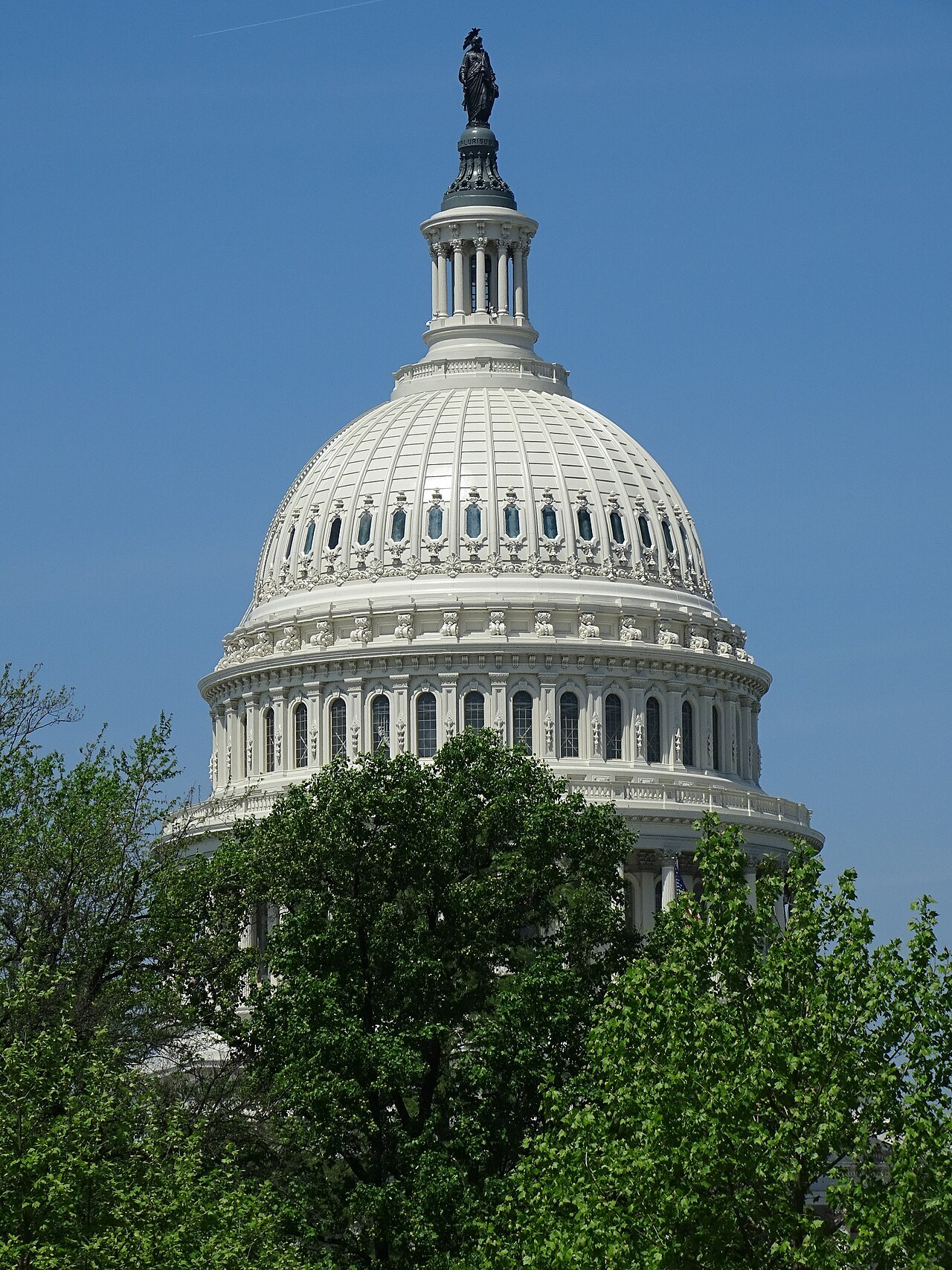
Bulfinch's dome no longer suited a building twice its size, and in 1855 it was decided to replace it. Walter designed the dome that stands today in cast iron, three times the height of the old one and 100 feet across, set on the existing masonry piers. Like the dome of Les Invalides in Paris, which Walter had seen, it is double: an inner dome with an oculus, and above it the visible outer shell.
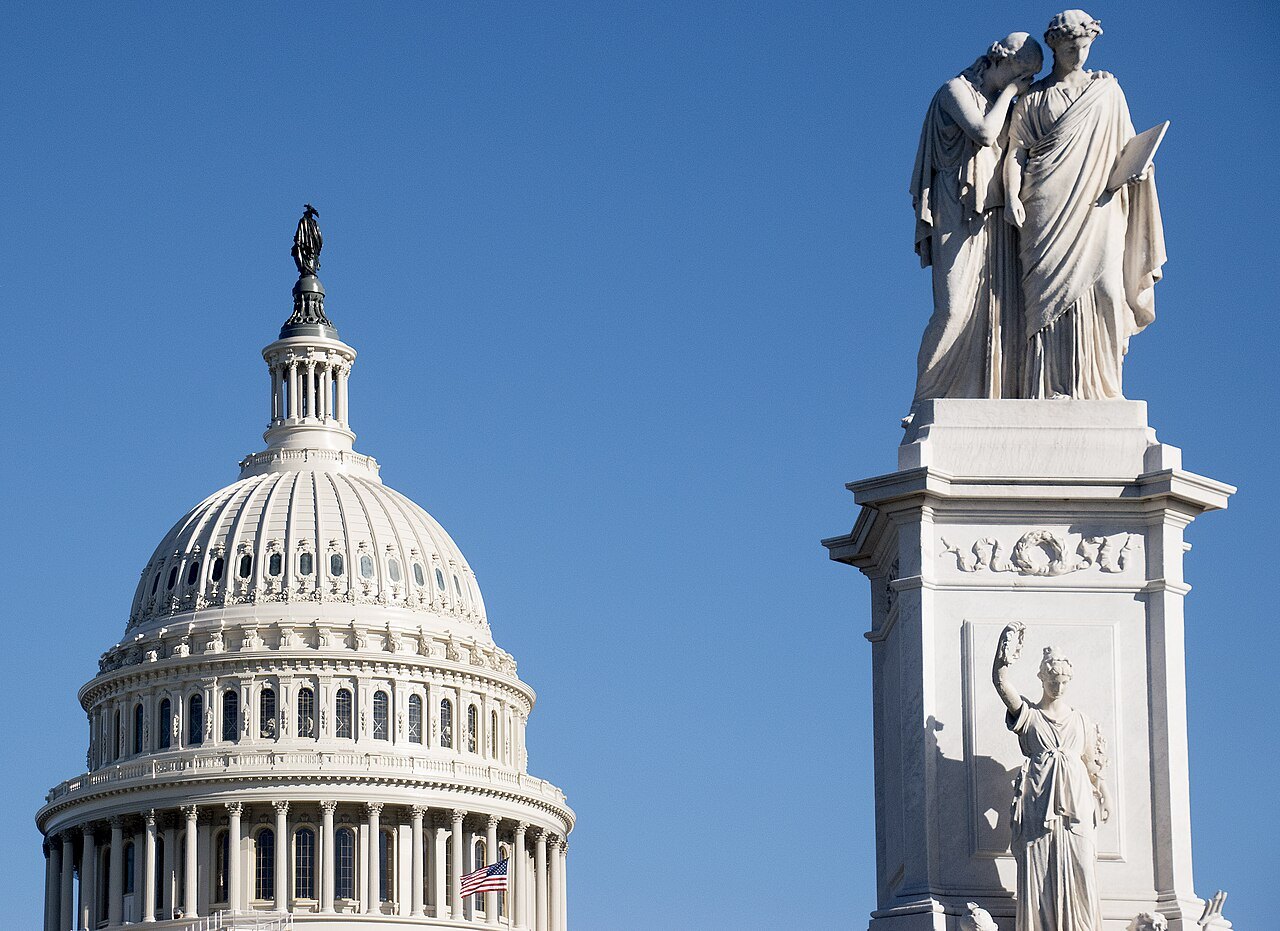
Work went on through the Civil War, and the dome was completed around 1866. Thomas Crawford's bronze Statue of Freedom was placed on the top in 1863; the original plaster cast now stands in Emancipation Hall underground. Seen from the Mall, the dome is the fixed point at the eastern end of every view along the axis, and from the Capitol's own terraces the line runs west past the Washington Monument to the Lincoln Memorial at the far end.
What you actually see inside
The Rotunda under the dome is 96 feet in diameter and rises 180 feet to the canopy. Looking up through the oculus you see The Apotheosis of Washington, the fresco Constantino Brumidi painted on a shell suspended beneath the outer dome, covering more than 4,600 square feet. Around the walls hang eight large paintings, four of them scenes of the Revolution by John Trumbull, commissioned by Congress in 1817.
Below the Rotunda is the Crypt, a room of heavy columns built to hold George Washington's tomb. He was buried at his home instead, as his will asked, and the Crypt now holds exhibits on the building's history. A compass star set in its floor marks the point from which the city is divided into its four quadrants, and Gutzon Borglum's marble head of Abraham Lincoln, carved in 1908 from a six-ton block, stands nearby.
South of the Rotunda is National Statuary Hall, the semicircular room where the House met for nearly fifty years, from 1807 to 1857. After a few years of disuse it was turned over to statues in 1864, and it now holds statues of prominent Americans. The Senate and House chambers themselves are above the tour route, and seen only from the public galleries.
How to visit
Visits begin underground, at the Capitol Visitor Center on the east side of the building. The rooms of the historic Capitol can only be seen on a guided tour; there are no self-guided tours. The tours visit the Crypt, the Rotunda and National Statuary Hall, and the route can change. The Capitol's visitor site recommends a reservation and says that visitors without one are placed on the next available tour. All tours are free.
Every visitor passes through security screening: a metal detector for people and an x-ray for bags, and there is a list of items that may not be brought in, which is worth reading before you go. The tour does not include the House and Senate galleries, which are arranged separately, so check the Visitor Center's pages if you want to watch a session. Allow time for the screening line, the Visitor Center's exhibition hall and the short film on Congress before the tour itself (see booking ahead).
Outside, you can walk the grounds. The terraces on the West Front look straight down the Mall, and the East Front, where the Visitor Center entrance is, faces the Library of Congress and the Supreme Court across First Street. Congress is a working legislature, and parts of the building and grounds close for sessions, ceremonies and security, so check before you plan around a particular room.
Honest notes
The Capitol is often described as the center of the District. It was never at the geographic center, and today it is well to the east of it; what it centers is the address system. The Crypt was built for Washington's body, but Washington never lay there. And the building is not a single design: Thornton's exterior, Latrobe's rooms, Bulfinch's center and Walter's dome and wings were each built on top of the last.
Where to go next03
Nearby
- Nearby · First St SE · East Capitol StThe Library of Congress and the Supreme CourtAcross First Street from the Capitol stand the Jefferson Building of 1897, the most richly decorated interior in the city, and the marble temple the Supreme Court moved into in 1935.Read the page →
- Nearby · Massachusetts Ave · First St NEUnion StationDaniel Burnham's Roman gateway of 1907, five blocks from the Capitol: a vaulted hall 96 feet high, 46 stone centurions, and still the station where the Northeast Corridor ends.Read the page →
- Nearby · Constitution Ave · 4th St NWThe National Gallery of ArtA free national museum of Western art from the Middle Ages to now, in two buildings joined underground: John Russell Pope's marble temple of 1941 and I.Read the page →