Home · Where to Stay
Where to stay01
Eight neighborhoods
- Capitol HillHistory, rowhouse streets, the Capitol and the LibraryThe old neighborhood behind the Capitol, of nineteenth-century rowhouses around Eastern Market, with Union Station on its edge.
- Downtown and Penn QuarterFirst visits, short stays and walking to the MallThe business district north of the Mall, from the White House to the Portrait Gallery and Chinatown, with the most hotels and theaters.
- Foggy Bottom and the West EndThe Lincoln Memorial end of the Mall and the Kennedy CenterWest of the White House toward the river, home of George Washington University, the State Department and the Watergate.
- Dupont CircleA lively base with cafes, embassies and good transitThe circle and its fountain on the Red Line, with Embassy Row along Massachusetts Avenue and grand houses on the side streets.
- Logan Circle, Shaw and U StreetRestaurants, bars, music and Ethiopian foodVictorian streets around 14th Street and the old Black Broadway of U Street, now the city's busiest dining district.
- GeorgetownCharm, the canal and the river, if you don't mind busesThe old port town of brick rowhouses and shops, older than the capital, without a Metro station of its own.
- The Wharf and Navy YardWaterfront evenings, baseball and newer hotelsThe rebuilt riverfronts of the Southwest Waterfront and the Anacostia, a short walk south of the Mall and the Capitol.
- Adams MorganNightlife and a younger crowdThe late-night bars and international restaurants of 18th Street and Columbia Road, uphill north of Dupont Circle.
In full02
Where to Stay
Choosing a base
The monumental core is not a place people live. The Mall is parkland and museums, and the blocks around it are federal offices that empty at night and at weekends. So the question is which neighborhood around the core suits you: close enough to walk to the sights, lively enough to eat well in the evening, and near a Metro station for the rest.
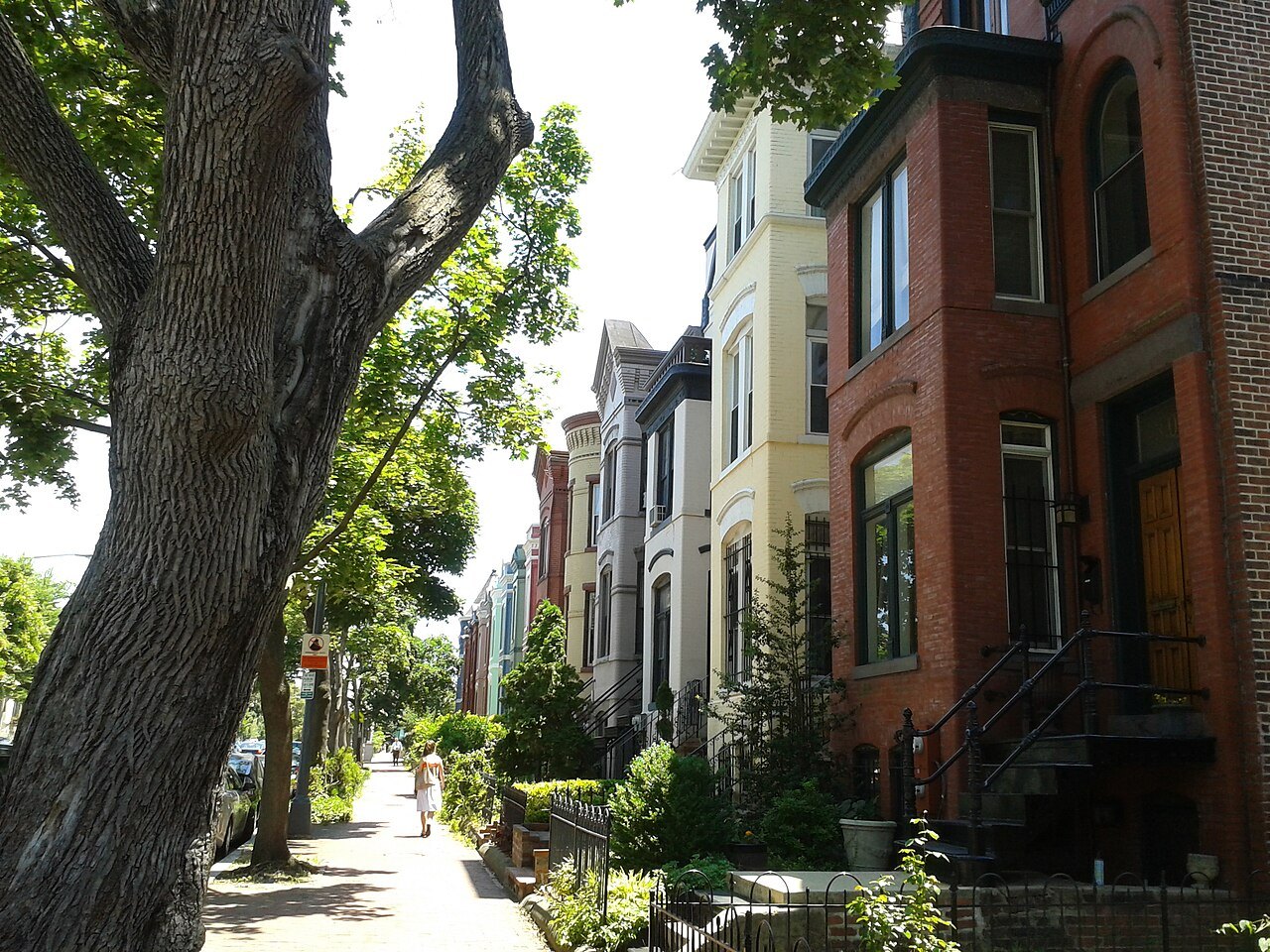
For a first visit, the best bases are Downtown and Penn Quarter for walking, Capitol Hill for the historic streets, and Dupont Circle or Logan Circle for evenings. Prices rise sharply in the cherry blossom season and when big events are on, so book early for spring. Everything here is a short Metro ride from the Mall (see getting around).
Capitol Hill
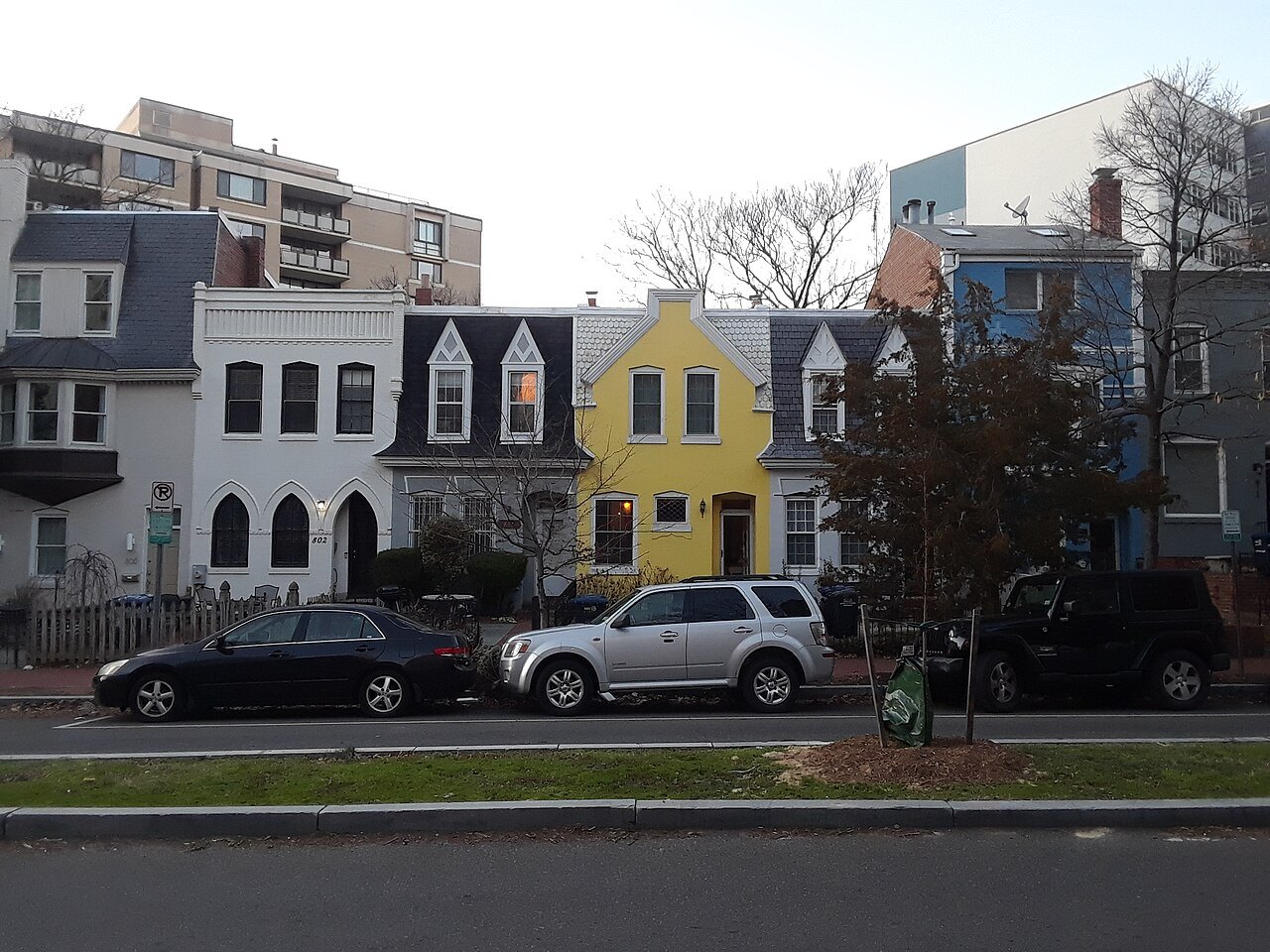
Capitol Hill is the neighborhood behind the Capitol, on the Northeast and Southeast side, one of the oldest historic districts in the city, with a high concentration of rowhouses dating largely from the nineteenth century. It holds Congress, the Supreme Court and the Library of Congress, but most of it is quiet residential streets. Eastern Market is its village center, with restaurants and bars along the streets nearby.
It suits visitors who want to walk to the Capitol, the Library and the east end of the Mall, and to arrive by train at Union Station. There are fewer hotels here than downtown, most of them near the station or the Capitol.
Downtown and Penn Quarter
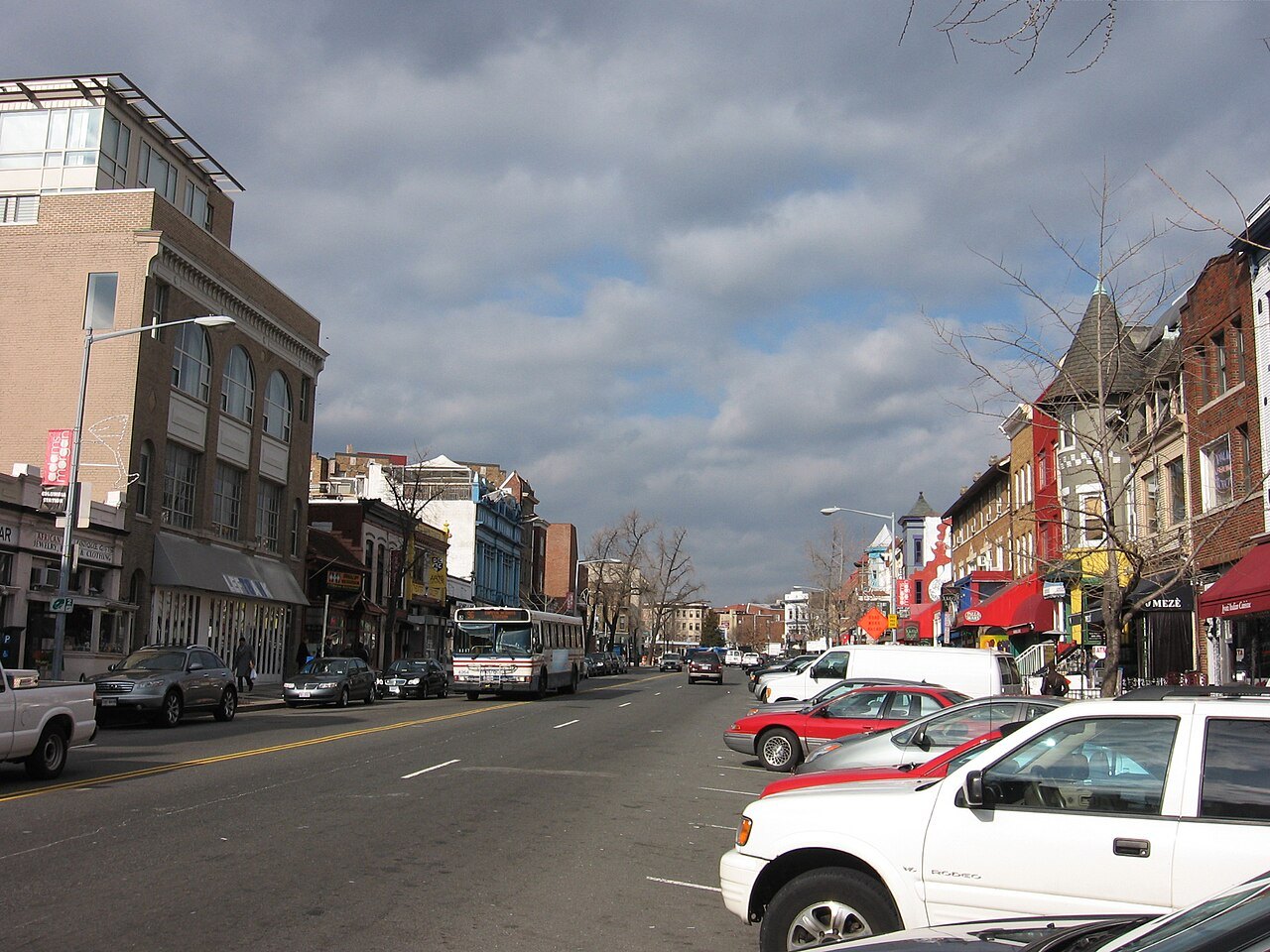
Downtown, between the White House and Union Station north of the Mall, has the largest concentration of hotels, from the historic grand hotels near the White House to large modern ones. Penn Quarter, the old downtown around 7th Street and Pennsylvania Avenue, is its liveliest part, full of museums, theaters, restaurants and bars, with Chinatown and the arena beside it.
It is the most convenient base for a short visit: the museums on the north side of the Mall, the White House, the Archives and the Portrait Gallery are all walkable, and most Metro lines pass through. The office streets west of 15th Street are quiet after dark and at weekends.
Foggy Bottom and Dupont Circle
Foggy Bottom lies west of the White House toward the Potomac, with George Washington University's campus, the State Department, the Kennedy Center and the Watergate complex. It is close to the Lincoln Memorial and the western memorials and a walk from Georgetown, and it has its own Metro station.
Dupont Circle, to the north, is a historic traffic circle with a double-tiered marble fountain by Henry Bacon and Daniel Chester French, the pair who created the Lincoln Memorial. The neighborhood around it is full of grand houses, cafes and bookshops, and Massachusetts Avenue running northwest from it is Embassy Row, lined with embassies and diplomatic residences. It has long been a center of the city's gay community, and it has a Red Line station.
Logan Circle, Shaw and U Street
Logan Circle, east of Dupont, is a Victorian neighborhood of the 1870s built around a circle with an equestrian statue of General John Logan, now one of the city's most sought-after areas; 14th Street, its commercial spine, is lined with restaurants and bars. Shaw and U Street, to the north and east, were from about 1900 to the 1960s the heart of Black Washington, called Black Broadway, with the Lincoln Theatre and the Howard Theatre, and Duke Ellington grew up nearby.
U Street declined after the riots of 1968 and revived after its Metro station opened in 1991. Today it is the city's great district for eating and going out, with live music, jazz and the Ethiopian restaurants of Shaw (see eating and drinking). It suits travelers who care about evenings more than a short walk to the Mall.
Georgetown, the waterfronts and Adams Morgan
Georgetown is the most charming place to stay, with its brick streets, shops, the canal and the river, but it has no Metro station, so every trip to the Mall means a bus, a long walk or a ride (see Georgetown).
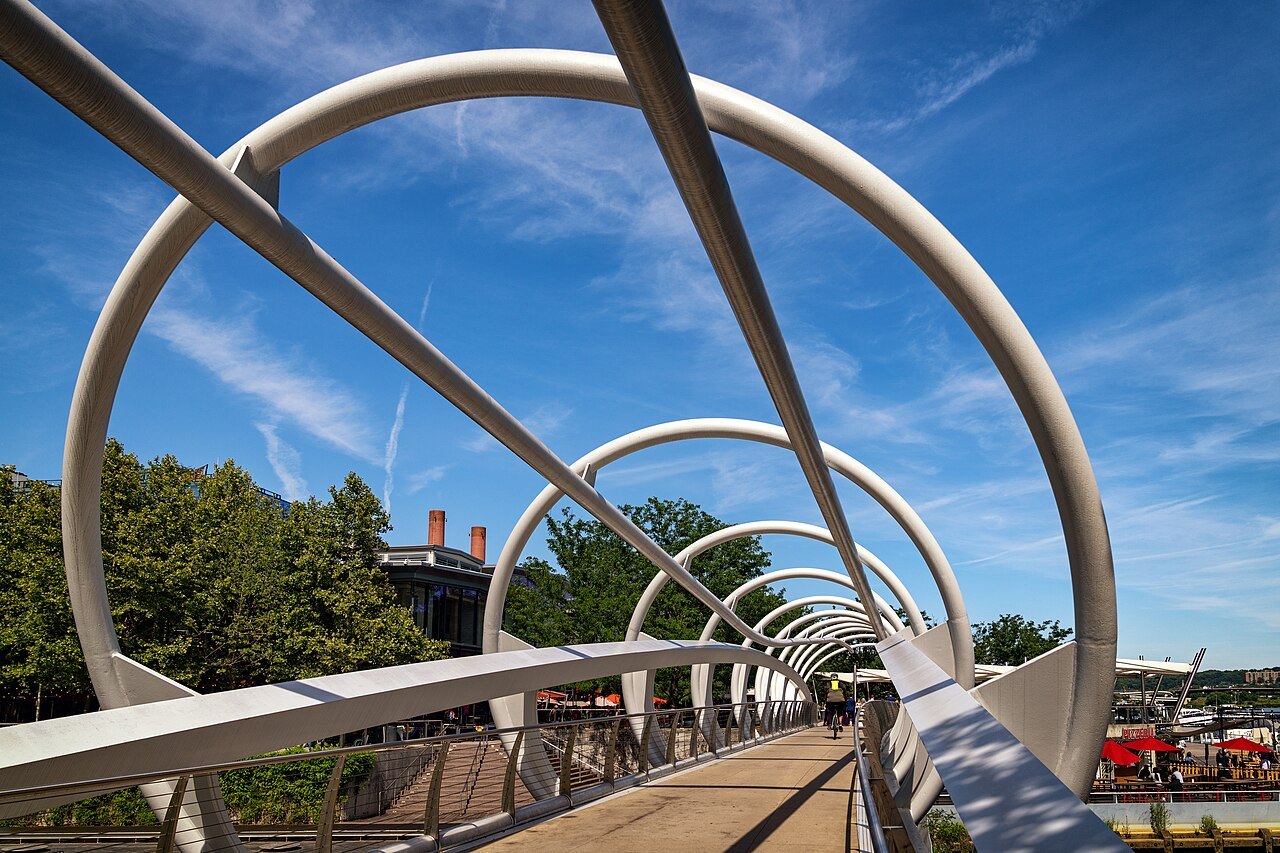
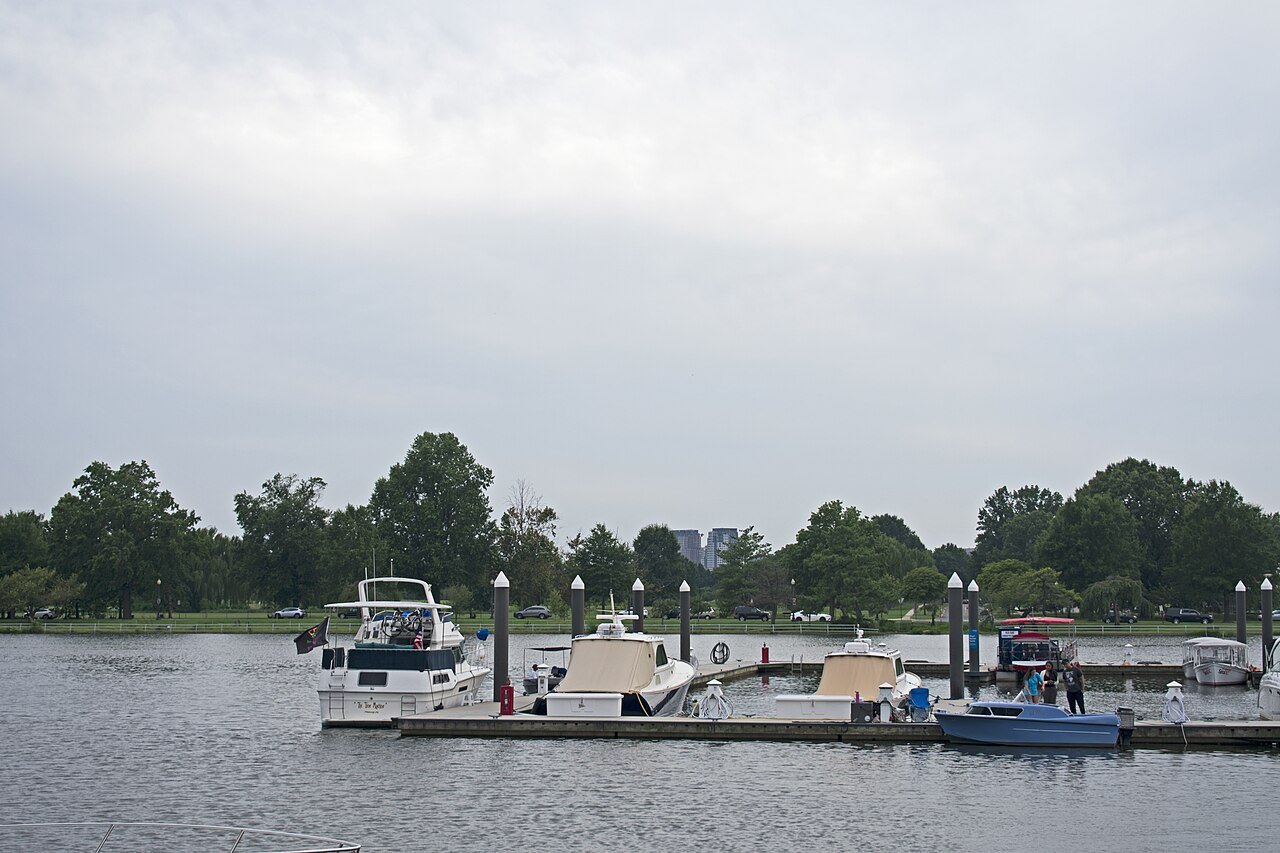
The Wharf on the Southwest Waterfront and the Navy Yard on the Anacostia are former industrial riverfronts rebuilt in recent years with hotels, restaurants, parks and music venues; the Navy Yard has the baseball park and the Yards Park. Both are close to the south side of the Mall and the Capitol. Adams Morgan, uphill north of Dupont Circle, is the city's nightlife district, with international restaurants and bars along 18th Street and Columbia Road; lively, but noisy late at night.
Farther out: Woodley Park and Cleveland Park
Up Connecticut Avenue on the Red Line, beyond Dupont Circle, the city turns leafy and residential. Woodley Park has a handful of large hotels and quiet side streets of big houses, and it sits beside the National Zoo, a Smithsonian park of 163 acres in the valley of Rock Creek, founded in 1889, free to enter, with giant pandas as its best-known residents. Cleveland Park, a stop farther, is a neighborhood of late nineteenth-century houses named after Grover Cleveland, who owned property there, with the Art Deco Uptown Theater and one of the earliest strip malls on Connecticut Avenue.
These are quiet, green bases with good Metro links, well suited to families who want the zoo and Rock Creek Park as much as the Mall, and to anyone visiting the cathedral, which is a walk or short bus ride west. The ride downtown is a few stops, and the evenings are calm; for nightlife, Adams Morgan is a walk across the Rock Creek valley.
Booking
Book early for the cherry blossom season, the Fourth of July and any week with a major event in the city, and look again at prices in August and midwinter, when the government city is at its quietest (see when to come). Hotels just across the Potomac in Virginia, around Rosslyn and near Reagan National, can be cheaper and are a short Metro ride from the center; if you stay there, choose a place near a station. Wherever you stay, check the walk to the nearest Metro station before you book.
Some links on this page are affiliate links. If you book through one we may earn a commission, at no extra cost to you. It does not affect what is recommended here, and no sight page on this site carries one.
If your room is not ready when you arrive:
Seen on the way03
More photographs
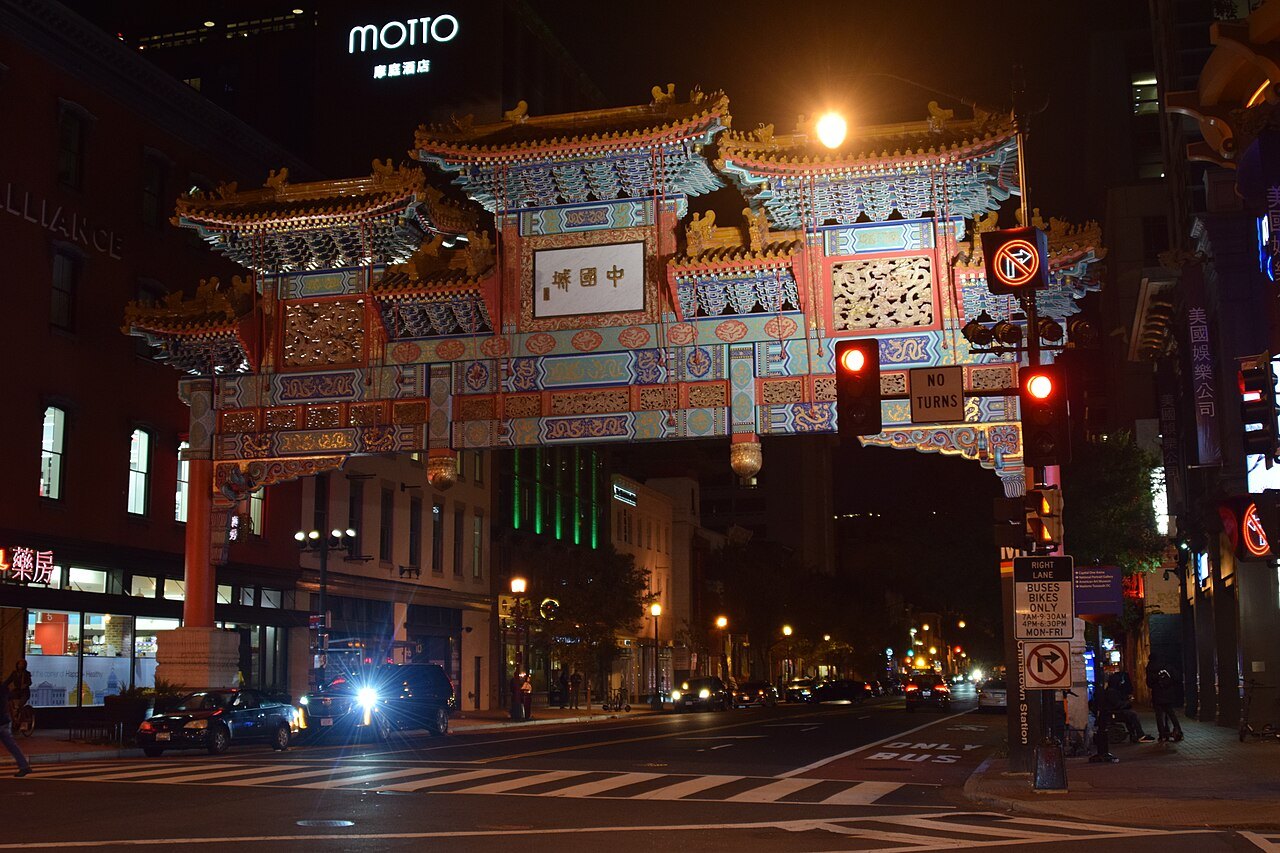
The Friendship Archway over H Street in Chinatown, lit at nightOmar David Sandoval Sida, Wikimedia Commons, CC BY-SA 4.0 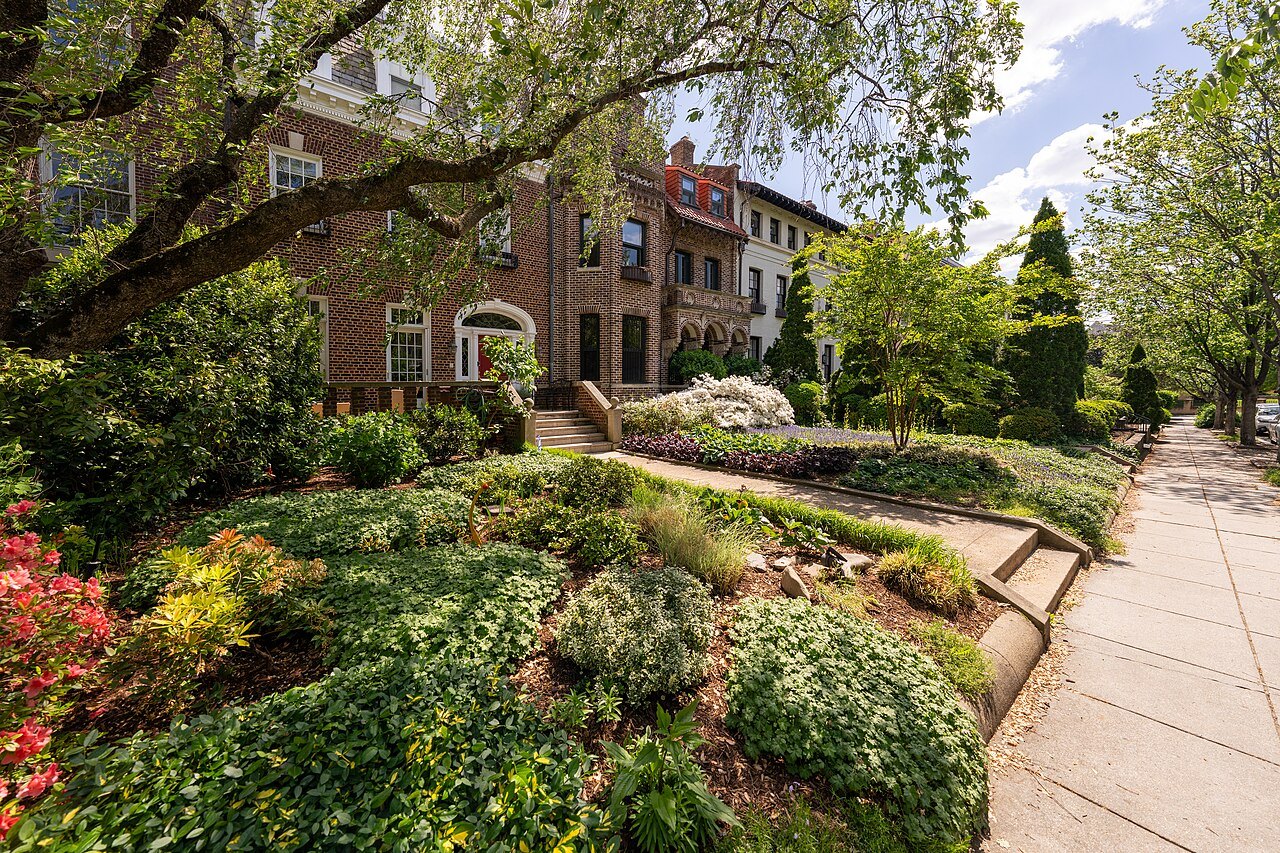
A garden and brick houses in the Sheridan-Kalorama historic districtajay_suresh, Wikimedia Commons, CC BY 4.0 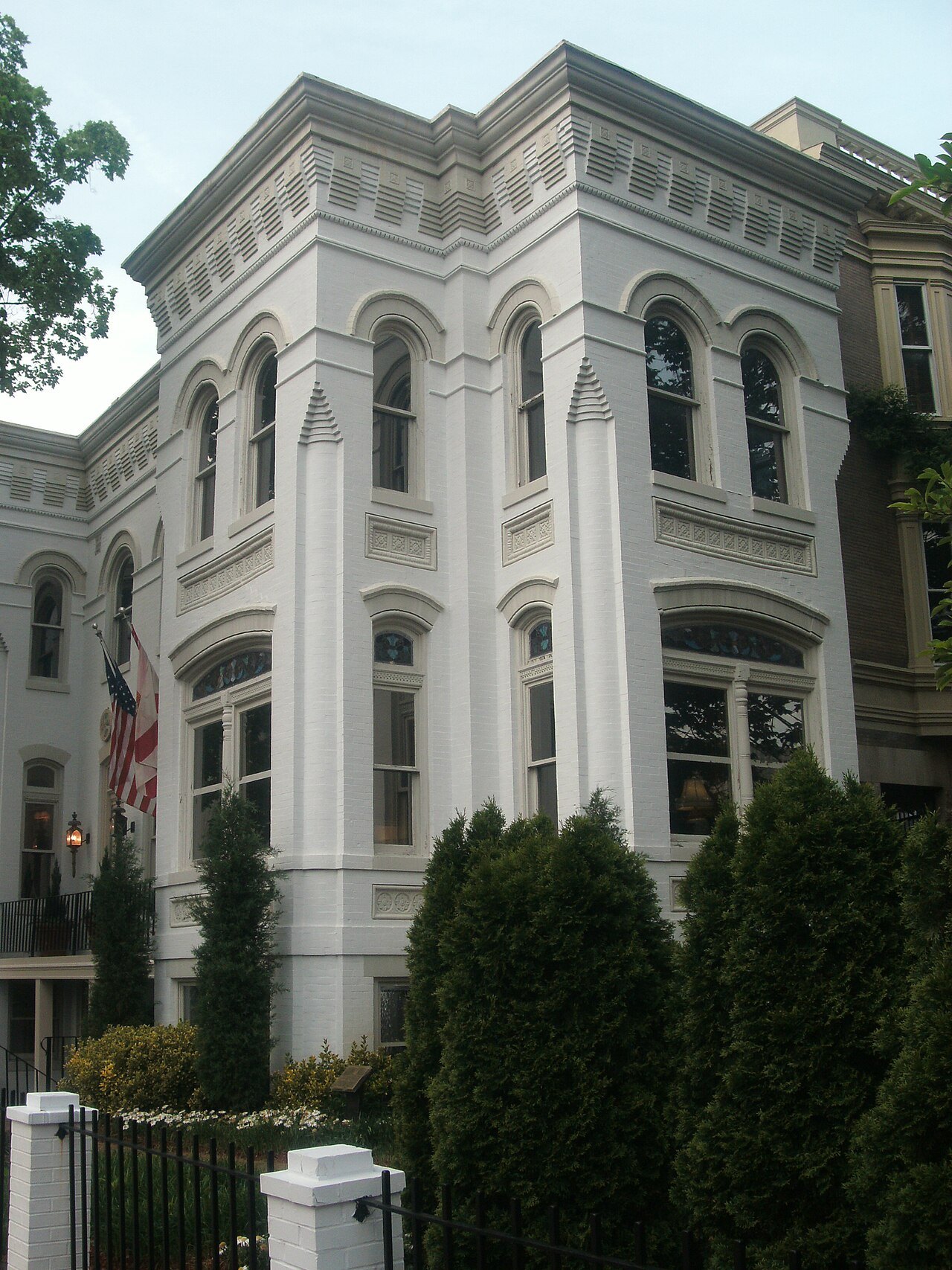
A white Italianate rowhouse on Capitol Hillself, Wikimedia Commons, CC BY 3.0