Home · Itineraries
A day at a time01
Five days in the capital
Day one: the Hill and the east end
A morning tour of the Capitol, the Library of Congress across the street, then down the hill to the National Gallery and, before closing, the founding documents in the Archives rotunda.
Day two: the monuments
Up the Washington Monument with a booked ticket, west past the World War II, Vietnam and Korean memorials to the Lincoln Memorial, then round the Tidal Basin to the Jefferson at dusk.
Day three: the museums of the Mall
Two big museums on the north side in the morning, a picnic on the lawn, then Air and Space and the Hirshhorn's sculpture garden on the south side.
Day four: the President's Park and Georgetown
The White House from Lafayette Square and the Ellipse, a walk west to Georgetown for lunch and the canal towpath, and a bus up Wisconsin Avenue to the cathedral.
Day five: across the river and downtown
A booked tour of Frederick Douglass's house in Anacostia, back across the river to the Portrait Gallery and its courtyard, and a last look at Union Station's great hall.
In full02
Itineraries
How these days work
The days below follow the plan of the city. Each keeps to one part of the Mall or one side of it, so you are not crossing the long lawn back and forth, and each mixes a booked visit with free places that need nothing but time. The order can change, but the White House, the Washington Monument, the Library of Congress and Frederick Douglass's house need passes or reservations, so fix those days first (see booking ahead).
Two museums a day is plenty. The Smithsonian museums are vast, and trying to see four in a day means seeing none of them properly. Leave the memorials for the mornings and evenings, when the light is best and the heat least, and keep the museums for the middle of the day.
If you have one day
Start at the Capitol with a morning tour, then walk down the Mall past the museums, stopping at one: the National Gallery for art, Natural History for the family, or Air and Space for flight. In the afternoon, continue west to the Washington Monument, the World War II Memorial and the Reflecting Pool, and reach the Lincoln Memorial for the view back along the whole axis to the Capitol. That is the plan of the city in one walk, about two miles with detours.
If you can, come back after dark: the Lincoln Memorial, the Monument and the Capitol dome are lit, and the memorials never close. The White House is a short walk north from the Monument if you have the energy for one more view.
If you have three days
Take the first three days above. The first covers the Hill, the Capitol, the Library of Congress with its great reading room, and the east end of the Mall with the National Gallery and the Archives. The second is the monuments, from the top of the Washington Monument to the memorials and the Tidal Basin. The third is the museums on both sides of the Mall.
Book the African American History and Culture Museum early if passes are in use; it deserves most of a day on its own, so on the third day you might choose it alone, with a short visit to a second museum at the end.
If you have five days
Add the White House, Georgetown and the cathedral on the fourth day, and Frederick Douglass's house and the Portrait Gallery on the fifth. These are the sights beyond the Mall, and they show the city as a place people live, from the brick streets of the old port to the hilltop in Anacostia with its view back to the Capitol.
The fifth day is also the one to keep flexible. If a pass fell through earlier in the week, use it to catch up; if the weather turns, swap the outdoor and indoor days.
With more time
A sixth or seventh day is best spent outside the District: Arlington National Cemetery and the Marine Corps War Memorial just across the river, Old Town Alexandria, George Washington's house at Mount Vernon, the falls of the Potomac at Great Falls, or Annapolis and the Naval Academy on the Chesapeake (see day trips).
Each of these is a half day or a full day, and most are reached by Metro, commuter train or a short drive. Arlington is the easiest, a few stops away on the Blue Line; Mount Vernon and Great Falls are easiest with a car or a tour.
Getting between the stops
Most of these days are walked. For the longer hops, the Metro is quickest: Smithsonian station is on the Mall, Capitol South and Union Station serve the Hill, Foggy Bottom is nearest Georgetown's edge and the western memorials, and Anacostia on the Green Line serves Cedar Hill. Buses run up Wisconsin Avenue to the cathedral, and Capital Bikeshare docks are all around the Mall (see getting around).
The walks are longer than they look on the map. From the Capitol to the Lincoln Memorial is about two miles in a straight line, and every museum you enter adds more. Count on covering several miles on foot on each of these days, wear shoes you trust, and use the Metro or a bikeshare bike without guilt for the longer hops, especially on the hot afternoons of summer.
With children
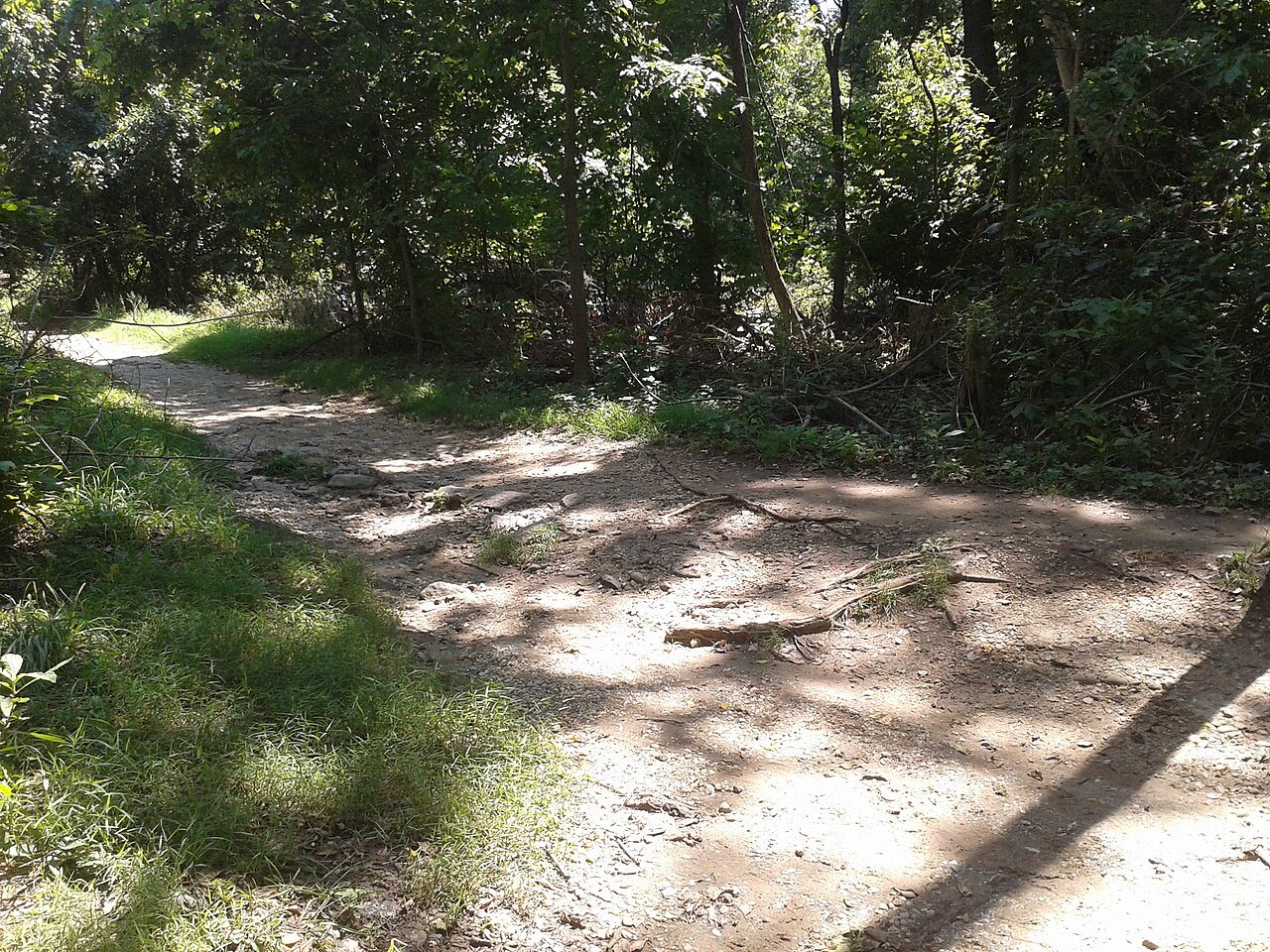
Natural History, with its dinosaurs, its insect zoo and the Hope Diamond, and Air and Space, with real aircraft and spacecraft hanging overhead, are the great children's museums, and the American History Museum and the free National Zoo up Connecticut Avenue are close behind. The Mall has plenty of open lawn to run on, and the Park Service offers paddle boats, bike tours and ranger walks in season.
Keep the days short and the walks shorter: the distances on the Mall wear small legs out quickly. Plan around snacks and shade, use the museum cafes, and let children choose one thing in each museum rather than trying to see it all. The Washington Monument's elevator ride and the view from the top are a favorite with older children, so book those tickets early.
On a rainy day
Stay indoors on the Mall and choose museums on one side, so that you only get wet once; the underground link between the two buildings of the National Gallery keeps you dry between them. The Library of Congress, the Archives and the Portrait Gallery's glass-covered courtyard are all good in the rain, and the Portrait Gallery and the American Art Museum can fill a whole wet day under one roof.
Summer storms usually pass within an hour or so, so when thunder starts, head for the nearest museum rather than giving up the day. In winter, a cold, wet day is a good one for Union Station's great hall and the Capitol Visitor Center, both reached directly from the Metro or the street.
Evenings and rest
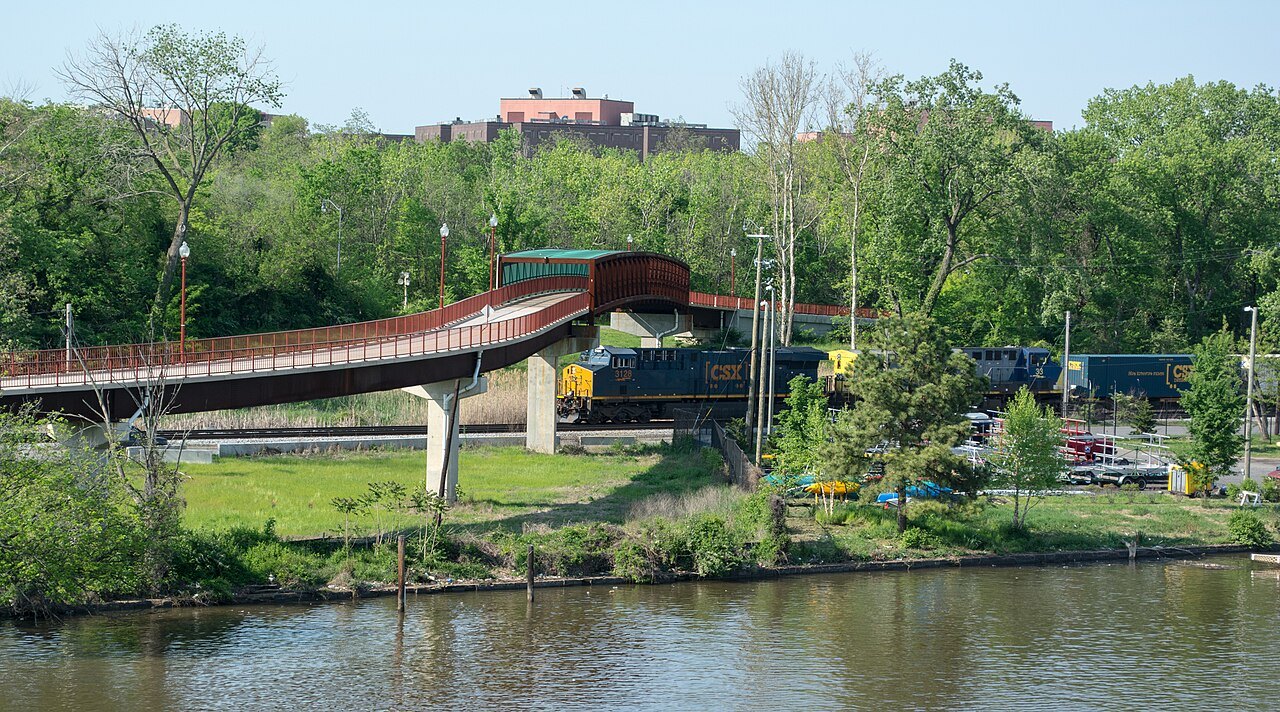
Save one evening for the memorials after dark, and the others for the neighborhoods: U Street and Shaw for music and food, the Wharf for the waterfront, Capitol Hill for its bars around Eastern Market (see eating and drinking). The days here are long, so leave an afternoon free: a rest in the hotel, a slow walk along the canal or a bench in Lafayette Square does more for a trip than a fifth museum.
Seen on the way03
More photographs
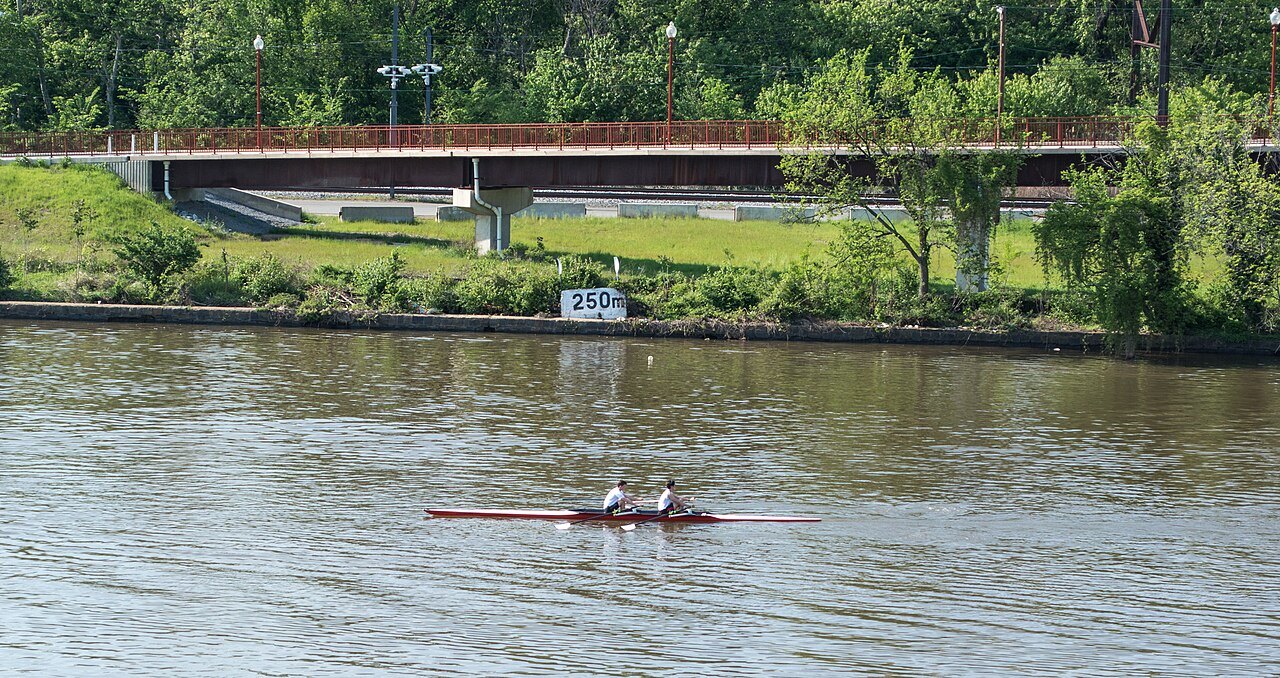
Two rowers on the Anacostia River, the trail's bridge behind themTim Evanson, Wikimedia Commons, CC BY-SA 2.0