A REQUEST THROUGH CONGRESS, A BACKGROUND CHECK AND A SHORT WALK THROUGH HISTORY01
How do you get a White House tour?
Public tours of the White House are free, self-guided and arranged only through a member of Congress, up to six months ahead, with a background check for older visitors. How the request works, what you see, and what to do if you cannot get one.
The answer in full02
Read on
The short answer
A public tour of the White House must be arranged through a member of Congress. If you are a citizen or resident of the United States, you ask your representative or one of your senators, and their office submits the request; tours can be requested up to six months ahead and are filled on a first-come, first-served basis, so the earlier you ask, the better your chance. Everyone of a certain age on an approved tour goes through a background check.
The tours themselves are free and self-guided, and they take in a series of historic public rooms, not the working offices or the family's private floors. They can be cancelled at the last minute, and many requests are not granted, so plan the rest of your trip so that a tour is a bonus rather than the center of it.
Why it works this way
For most of its history the White House was unusually open. Under Coolidge, Hoover and Franklin Roosevelt the public could walk through the ground-floor hallways and the East Room, and anyone with a card from a senator could see the state parlors and the State Dining Room as well. After the Second World War, the Truman administration opened those rooms to everyone, and for decades visitors simply lined up; by the early 1980s as many as six thousand people a day were taken through, and as many again were turned away.
The September 11 attacks ended that. Tours were suspended, and when they resumed in September 2003 it was on a limited basis, for groups making arrangements through their members of Congress and submitting to background checks. That is the system that continues, modernized since into an online approval and reservation process.
The house has always been a working building first. Tours stopped during the Second World War, again from 1948 while the Truman renovation gutted the interior, briefly after President Kennedy's assassination, and in 2013 during federal budget cuts. Every interruption since has come from the same fact: the tour passes through the home and office of a serving president, and it fits around the president's schedule, never the other way round.
Making the request
Contact the office of your representative or one of your senators, usually through the tour request form on their website, giving the dates you would like and the number in your party. Ask as close to six months ahead as you can: the requests are handled in order, and busy seasons, such as spring and the summer holidays, fill quickly.
Anyone aged fourteen or older on an approved tour must pass a background check, which requires personal information including full name, date of birth, Social Security number and country of citizenship. Give it only through the congressional office's official channels, and never to anyone offering to arrange a tour for a fee: the tours are free, and no private company can book them.
Visitors from other countries cannot use a member of Congress in the same way. They should ask their own country's embassy in Washington about the current arrangements for foreign nationals, again well in advance.
On the day
Tours run in the morning on most weekdays and some Saturdays, excluding federal holidays, and the congressional office will tell you your time and where to go. Arrive early, carry the identification you were asked for, and bring as little as possible: the Secret Service screens every visitor, and bags and many everyday items are not allowed. Check the list of prohibited items on the day before you set out.
Tours can be cancelled at short notice, for official events, security or weather, even after approval, so keep a plan for the rest of that morning. If the tour goes ahead, you walk through at your own pace, with officers in the rooms who can answer questions.
What you see
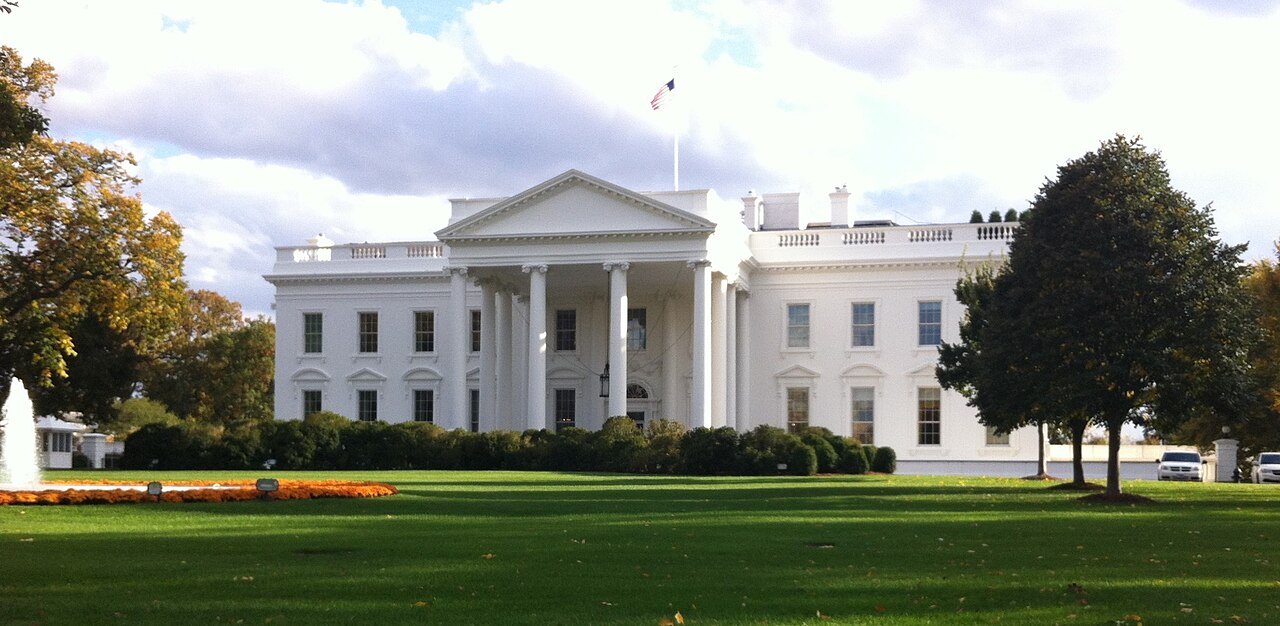
The route takes in the public rooms of the historic house that James Hoban designed and builders completed in 1800 (see the White House). Among them are the East Room, the largest room in the house, and the state parlors on the first floor, the Green Room, the Blue Room and the Red Room, with the State Dining Room, where Franklin Roosevelt had John Adams's blessing on the house carved into the mantel.
You do not see the Oval Office or the West Wing, which are working offices, nor the family's private rooms upstairs. The rooms themselves were rebuilt inside the old walls under President Truman, when the house was found to be structurally unsound, so the historic decoration you see sits on a steel frame of the 1950s.
If you cannot get a tour
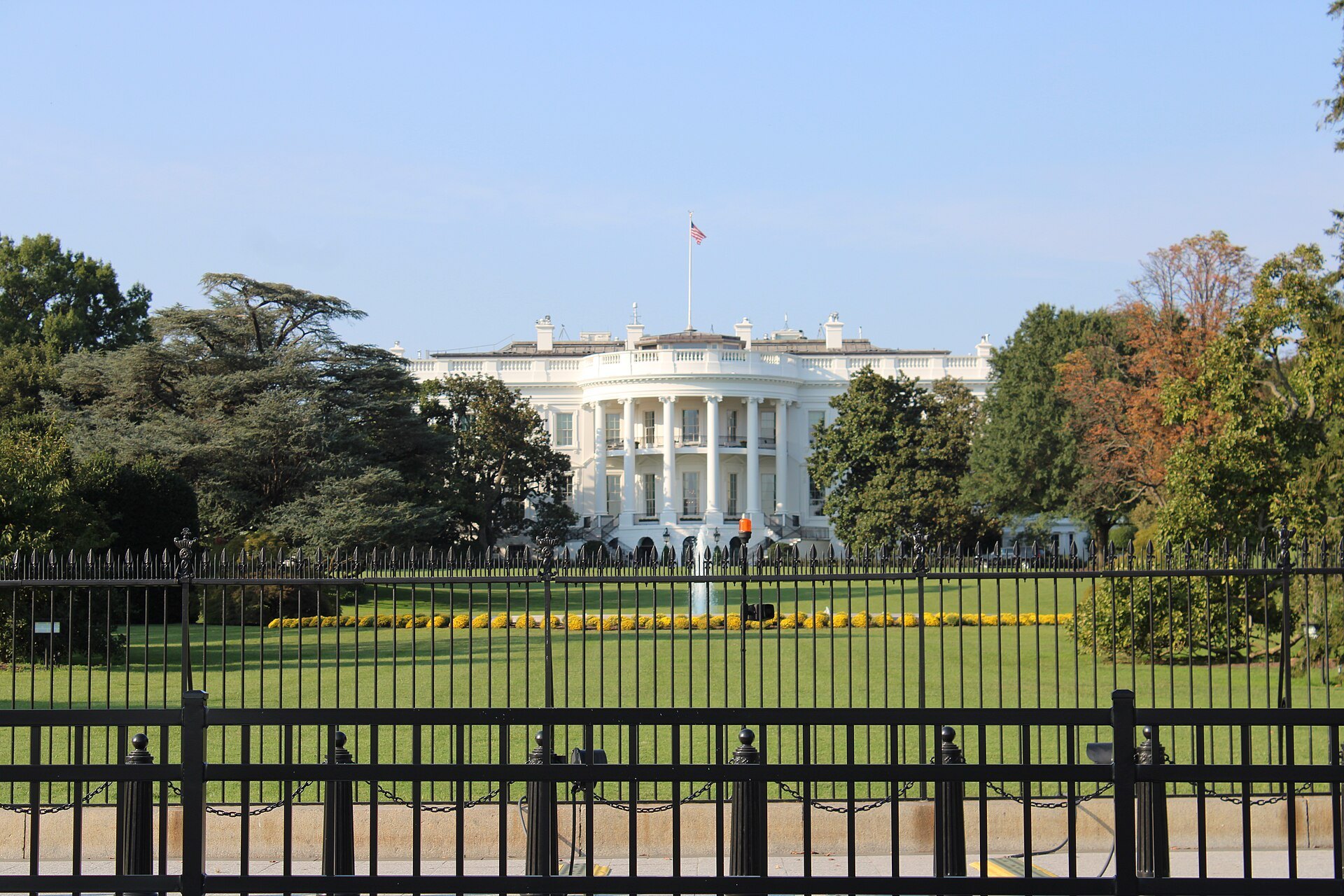
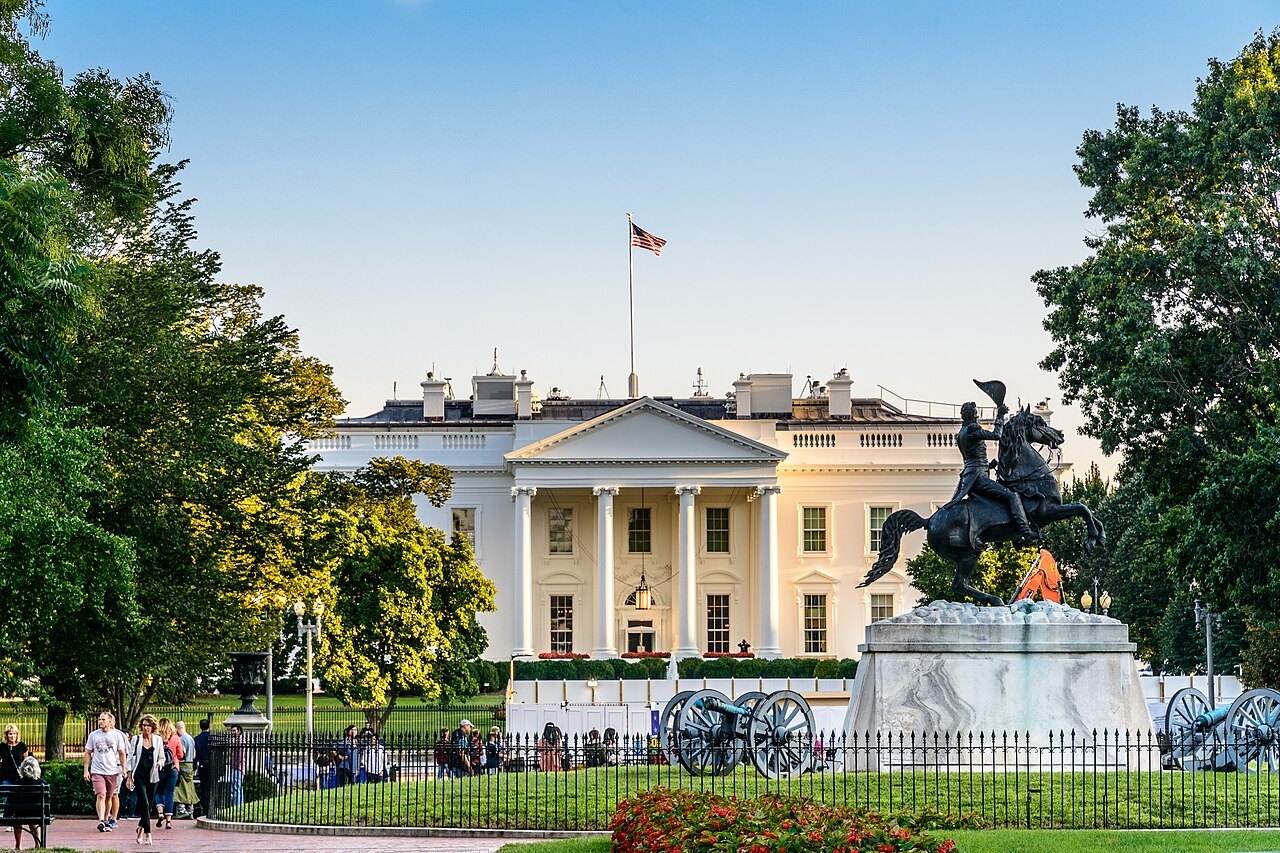
Most visitors see the White House only from outside, and it is still worth the walk. From the pedestrian stretch of Pennsylvania Avenue you look across the North Lawn to the North Portico, with Lafayette Square behind you; from the Ellipse, to the south, you see the curved South Portico and the Truman Balcony.
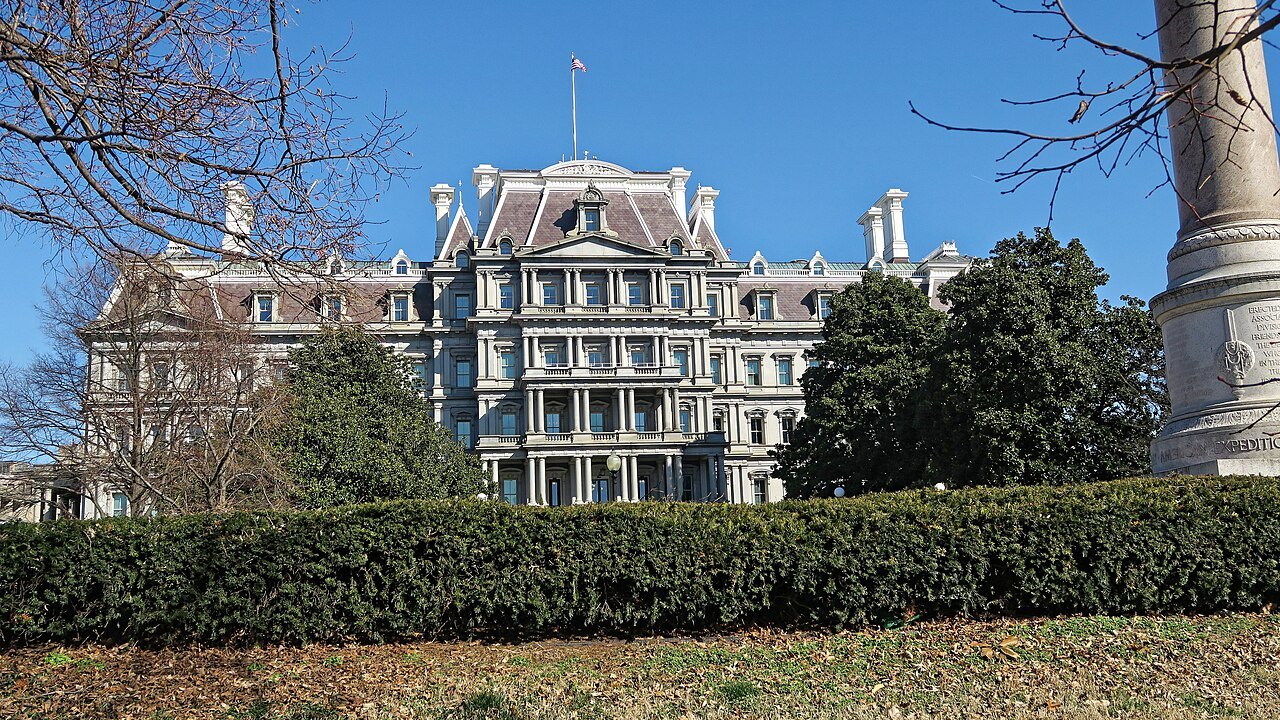
The White House Visitor Center, run by the National Park Service in the Commerce Department building on Pennsylvania Avenue between 14th and 15th Streets, is the practical alternative. Its six permanent exhibits cover the first families, the house's symbols and images, its architecture, its interiors, the working White House and its ceremonies and celebrations, and it has a small bookstore run by the White House Historical Association. Since 2001 it is no longer the starting point for tours, but anyone can walk in, with no request needed, and it is a good first stop before walking round to the fences.
Other ways in
The White House also opens its grounds for a few special events, run by the same Visitors Office: the Easter Egg Roll on the South Lawn, which now uses a lottery for tickets, spring and fall garden tours, and holiday open houses. Each has its own application process and timing, announced in advance, and none can be booked through a third party. For every one of them, and for the tours, the rule is the same: plan early, apply only through official channels, and keep the rest of the day flexible (see booking ahead).
Read next03
More from the journal
- Getting AroundHow does the Washington Metro work for visitors?The Metro has six colored lines, 98 stations and fares that depend on distance and time of day, so you tap in and tap out. How to pay, find the right platform, change lines and reach the sights, the airports and Union Station.Read the piece →
- The National ArchivesWhy is the Declaration of Independence so faded?The Declaration in the National Archives Rotunda is barely legible, and the famous clear version is a copy made in 1823. How the signed parchment lost its ink, where it traveled, and how it is kept now.Read the piece →
- Getting HereHow do you get from Dulles Airport to downtown Washington?Dulles is 26 miles west of the city, in Virginia, and since November 2022 the Silver Line of the Metro has run straight to it. How the airport is laid out, how to reach the train, what the ride is like, and when a taxi makes more sense.Read the piece →