A PARCHMENT THAT SPENT A CENTURY IN THE LIGHT01
Why is the Declaration of Independence so faded?
The Declaration in the National Archives Rotunda is barely legible, and the famous clear version is a copy made in 1823. How the signed parchment lost its ink, where it traveled, and how it is kept now.
The answer in full02
Read on
The short answer
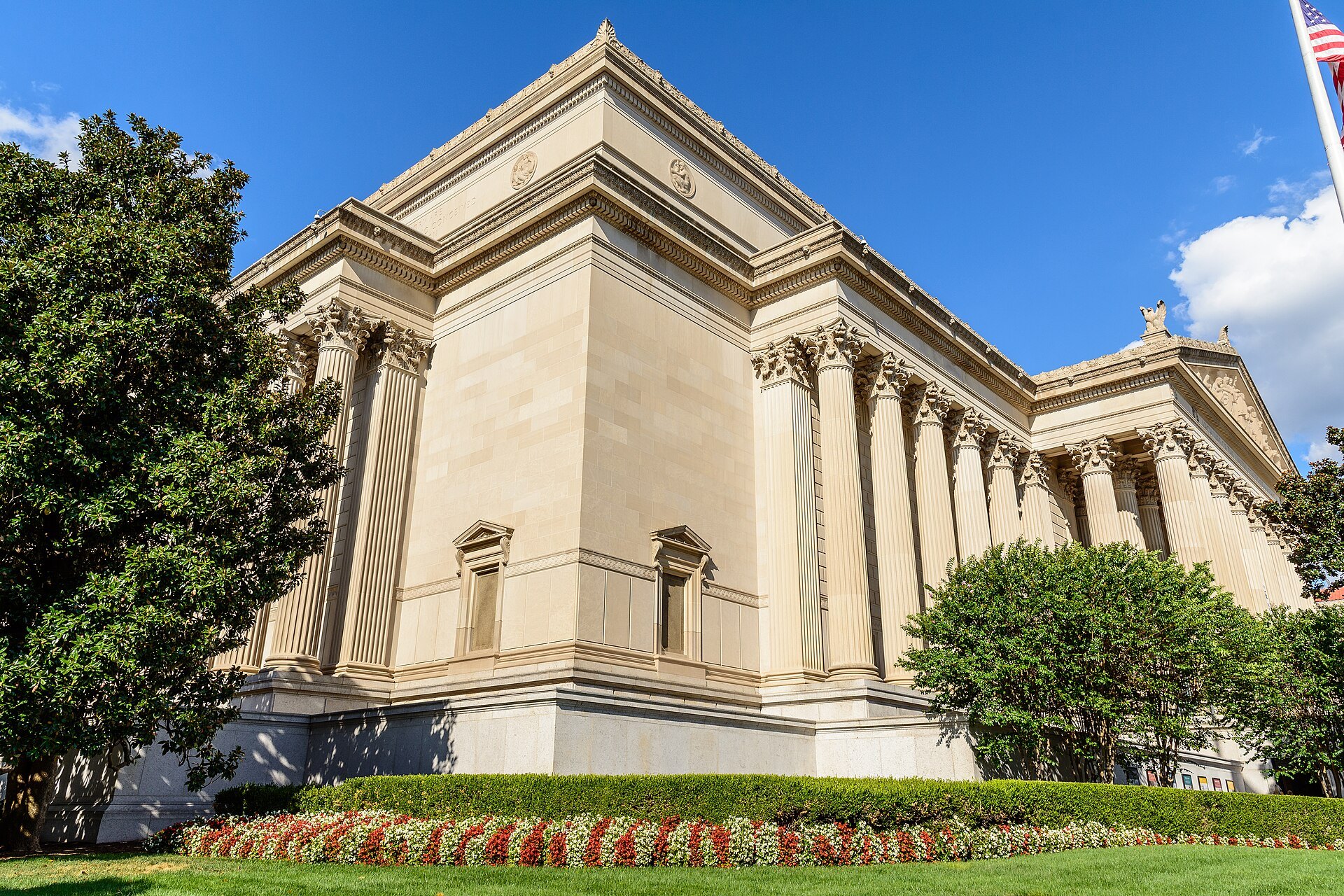
Visitors who file past the Declaration of Independence in the Rotunda of the National Archives are often surprised by how little they can read. The text is a pale brown ghost on the parchment, and the signatures, John Hancock's included, are faint. The reason is simple: for most of the nineteenth century the document was handled, rolled, displayed and left in the light, and by 1876 much of its ink had faded.
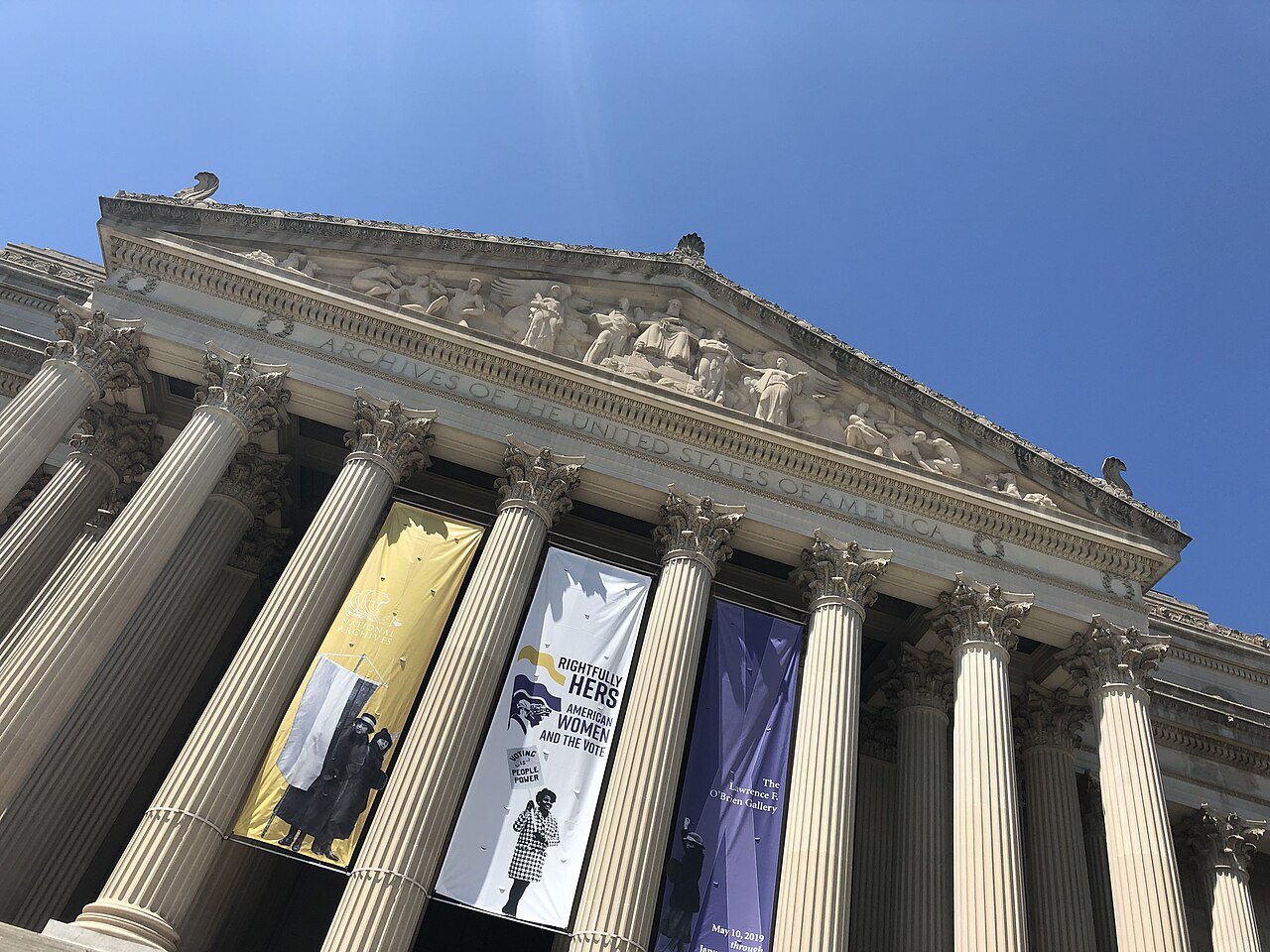
The crisp version you know from posters and schoolbooks is not a photograph of the original as it is now. It descends from a facsimile made in 1823, before the worst of the fading, which became the basis of most reproductions precisely because the original was so poorly looked after.
Which document is it?
Independence was voted on July 2, 1776, and the text was adopted on July 4 and printed at once as a broadside for distribution. The document in the Archives is a later one, the engrossed or parchment copy. On July 19 Congress resolved that the Declaration be fairly engrossed on parchment, under the title of the unanimous declaration of the thirteen United States of America, and signed by every member. The handwriting is probably that of the clerk Timothy Matlack, and most of the delegates signed it on August 2, 1776, with others adding their names later.
Because it was meant to be rolled for carrying and storage, it has an identifying note written along the edge on the back, reading that it is the original Declaration of Independence, dated 4th July 1776.
A hard nineteenth century
For its first century the parchment was treated as a government record rather than a relic. It traveled with Congress and then with the State Department, was rolled and unrolled, and was handled by anyone who needed to consult it. When copies were wanted, the most famous was made in 1823, and it is this facsimile, not the parchment, that most later reproductions follow.
Then it was put on show, exposed for years to damaging light. By the time of the nation's centennial in 1876, much of the ink had faded. In 1894 the State Department finally sealed the Declaration and the Constitution between two plates of glass and locked them away in a safe, which saved what was left but hid them from view.
The long road to the Rotunda
In 1921 custody of both documents passed from the State Department to the Library of Congress. The Librarian of Congress, Herbert Putnam, collected them from the department's safes and carried them to the Library in a mail wagon, and in February 1924 President Coolidge dedicated a bronze-and-marble shrine for their display in the Library's Jefferson Building (see the Library of Congress).
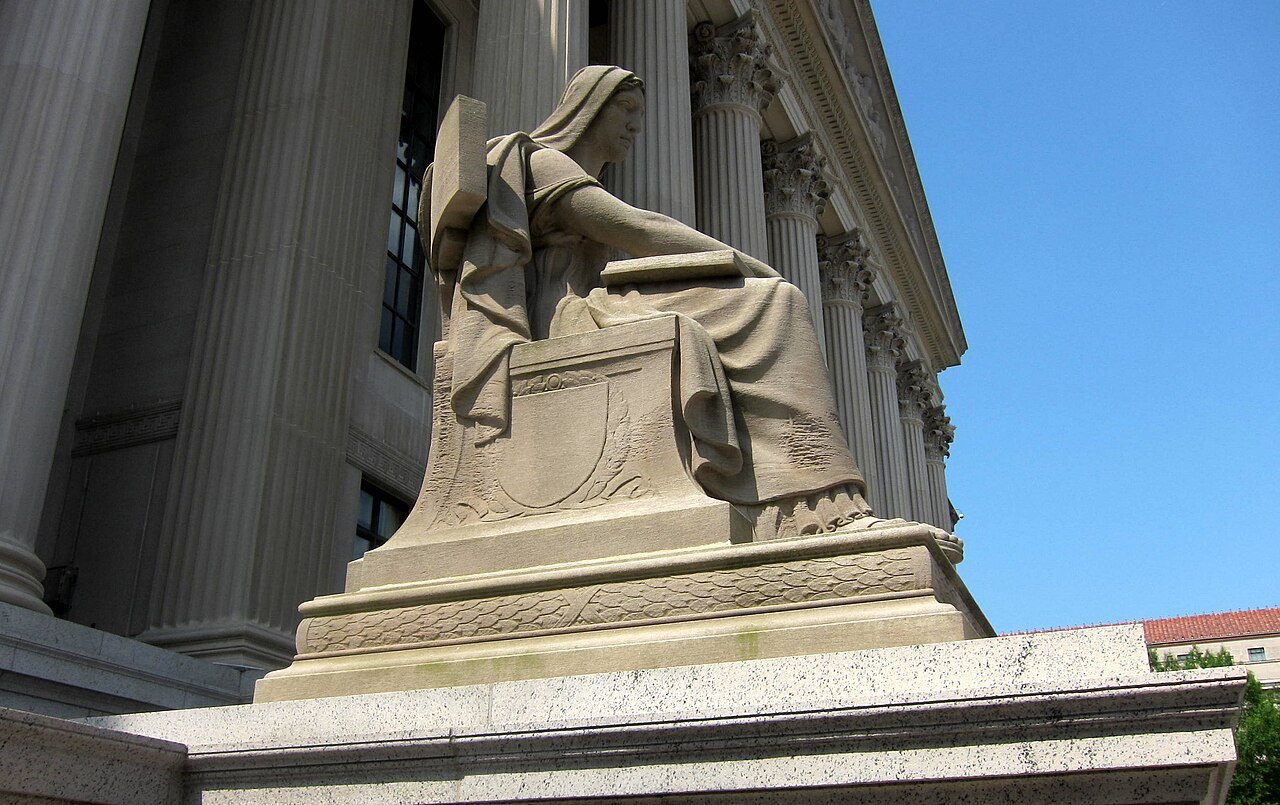
After the attack on Pearl Harbor they were moved again, in December 1941, to the Bullion Depository at Fort Knox in Kentucky, where they stayed until September 1944. In 1951, after a study by the National Bureau of Standards of how to protect them from air, insects, mold and light, they were re-encased with special light filters, inert helium gas and controlled humidity, and in 1952 they were moved to the National Archives Building, where they have been displayed since, together with the Bill of Rights.
How it is kept now
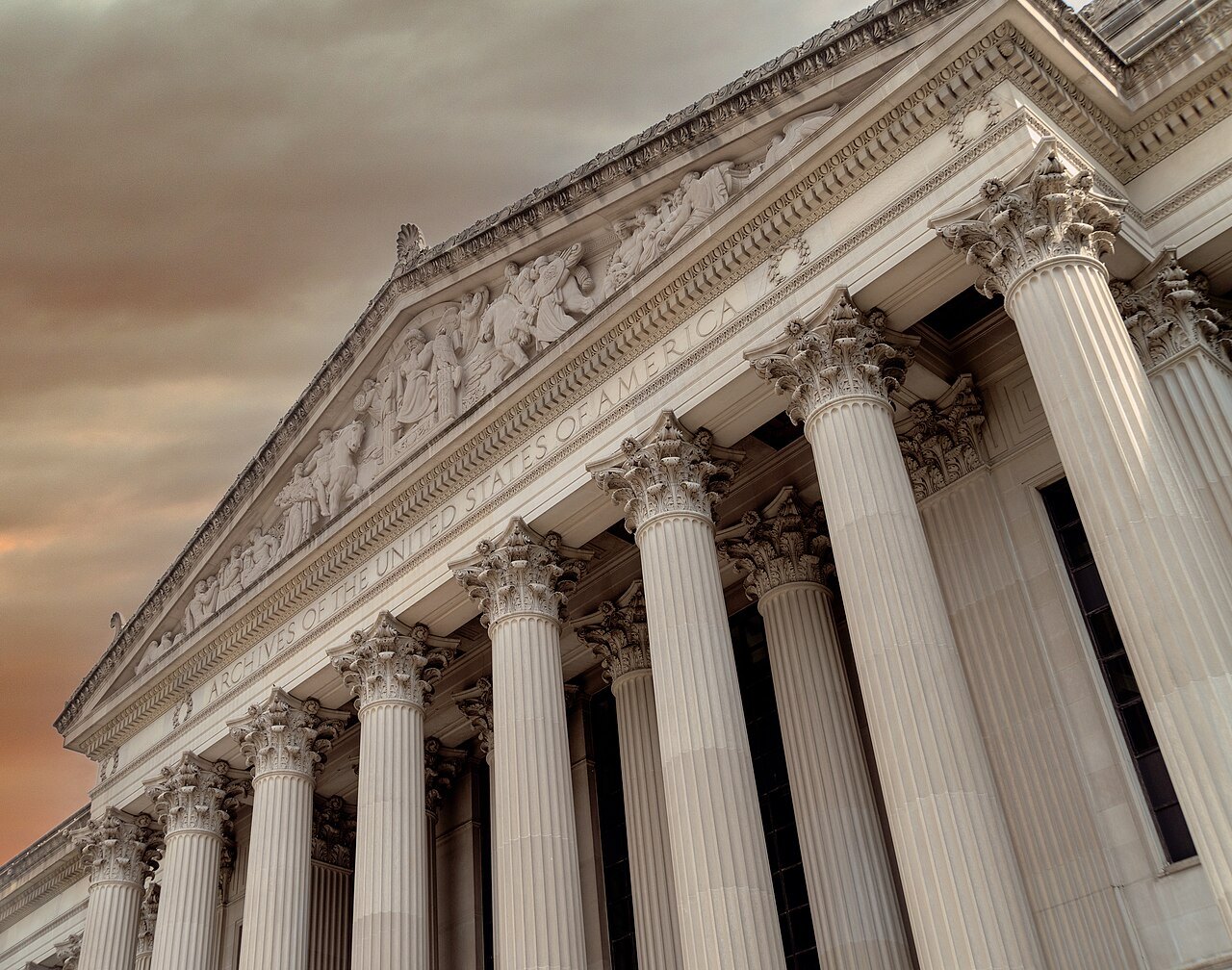
The three documents, which the Archives calls the Charters of Freedom, are displayed in massive, bronze-framed, bulletproof and moisture-controlled sealed cases, and at night they are lowered into bombproof vaults. Inspections in the 1990s found the glass of the 1950s cases deteriorating, so in July 2001 the documents were taken out, treated by conservators and, in September 2003, put back on display in new encasements.
The lighting in the Rotunda is kept deliberately dim, and the Archives sets its own rules on cameras near the charters, which are worth reading before you raise one. Both come from the same lesson the faded ink teaches: light is what did the damage, and it cannot be undone. The cases also filter the light that does reach the parchment, and the documents rest in the dark of the vaults through every night. Nothing will bring the lost ink back, so the aim now is simply to lose no more.
What you see in the Rotunda
The Declaration lies at the center of a semicircle of cases, with the four pages of the Constitution and the Bill of Rights beside it. The Bill of Rights on show is the copy kept by the First Congress; George Washington had fourteen handwritten copies made, one for Congress and one for each of the original thirteen states. The Constitution, written later and kept better, is far easier to read than the Declaration, and the contrast between them is part of the story.
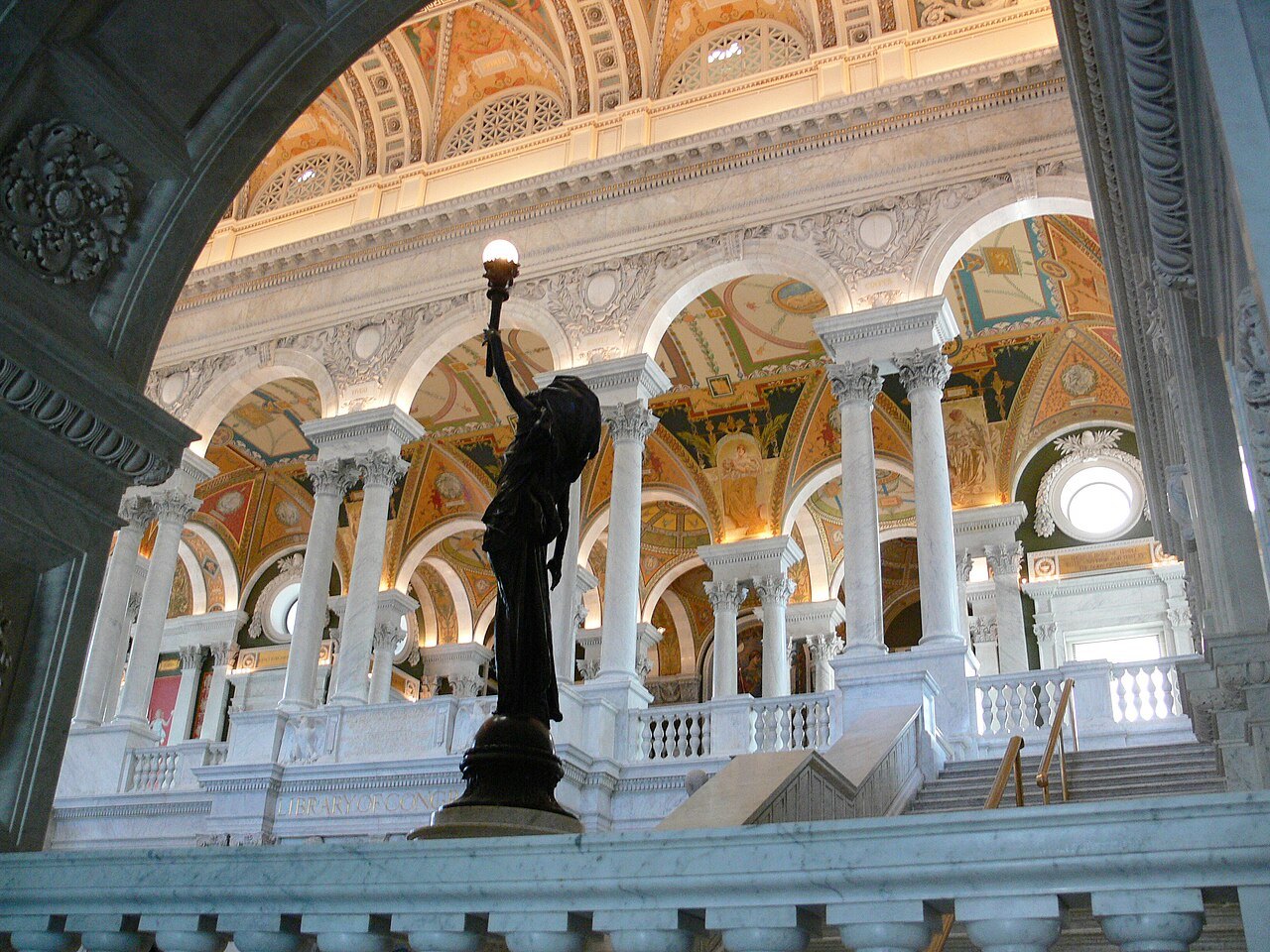
Around the charters hang Barry Faulkner's two murals, one of Jefferson among the Continental Congress and the other of Madison at the Constitutional Convention, and cases on the formation of the Union from 1774 to 1791. Look closely at the Declaration and you can still make out the heading and the tall signature of John Hancock, even where the body of the text has almost gone.
A second parchment
The Archives copy is not quite the only one. In 2017 researchers announced that a second handwritten parchment copy had been found in the archives of West Sussex County Council in Chichester, England. Its finders called it the Sussex Declaration, and it differs from the Washington copy, which they call the Matlack Declaration, in that the signatures are not grouped by state. It is a later copy, not a second signed original, and the parchment in the Rotunda remains the one Congress signed.
Seeing it for yourself
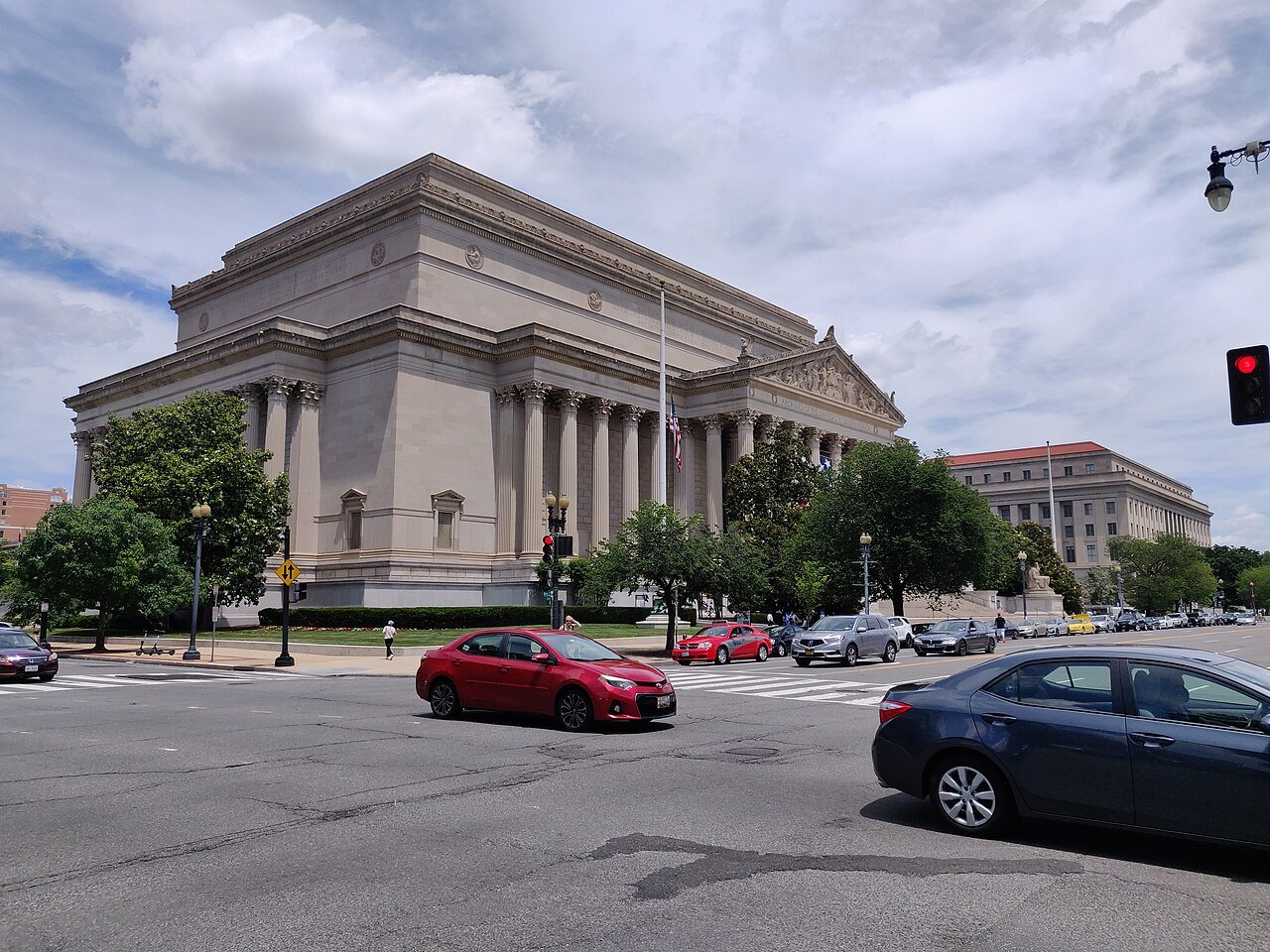
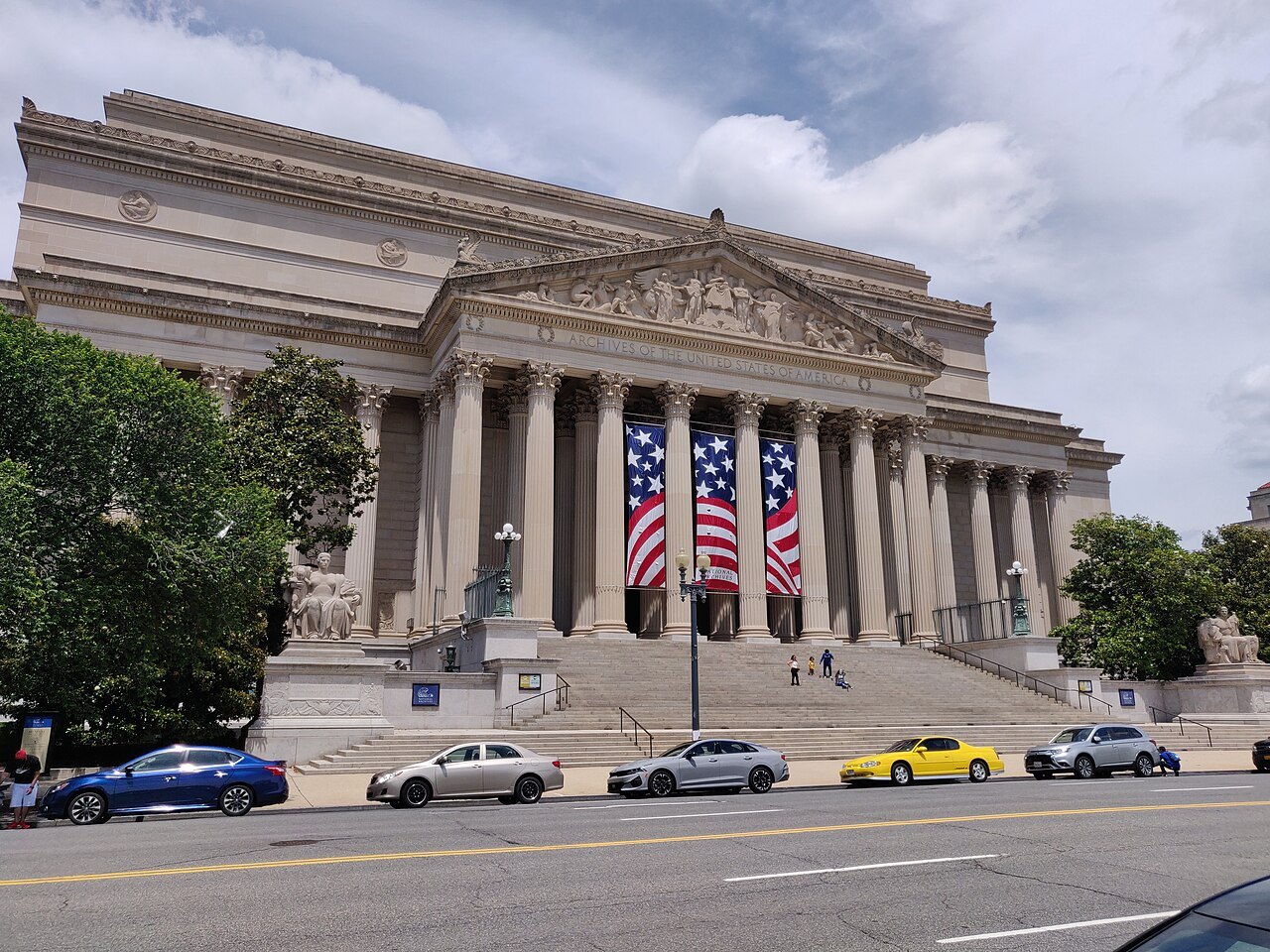
The Rotunda is on the Constitution Avenue side of the National Archives Building. Entry is free and no ticket is required, but reserving a free general-admission ticket or a timed entry for a small fee can save a long wait in spring and summer, and everyone passes through security screening (see booking ahead). Go early or late in the day, when the line through the Rotunda is shortest, and give yourself time to stand at the Declaration rather than being swept past it. The National Archives page has more on the building and its other treasures.
Read next03
More from the journal
- The White House and Lafayette SquareHow do you get a White House tour?Public tours of the White House are free, self-guided and arranged only through a member of Congress, up to six months ahead, with a background check for older visitors. How the request works, what you see, and what to do if you cannot get one.Read the piece →
- The Washington MonumentWhy is the Washington Monument two colors?About a third of the way up, the Washington Monument changes shade. The line marks where building stopped in 1854 and started again in 1879, and the stone above it came from different quarries. How it happened and where to see it best.Read the piece →
- Getting HereHow do you get from Dulles Airport to downtown Washington?Dulles is 26 miles west of the city, in Virginia, and since November 2022 the Silver Line of the Metro has run straight to it. How the airport is laid out, how to reach the train, what the ride is like, and when a taxi makes more sense.Read the piece →