VISITING THE COURT IN SESSION01
How do you visit the Supreme Court when it is in session?
What a visitor can actually see at the Supreme Court Building, and how access works when the Court is sitting.
The answer in full02
Read on
A Court Next Door to the Library
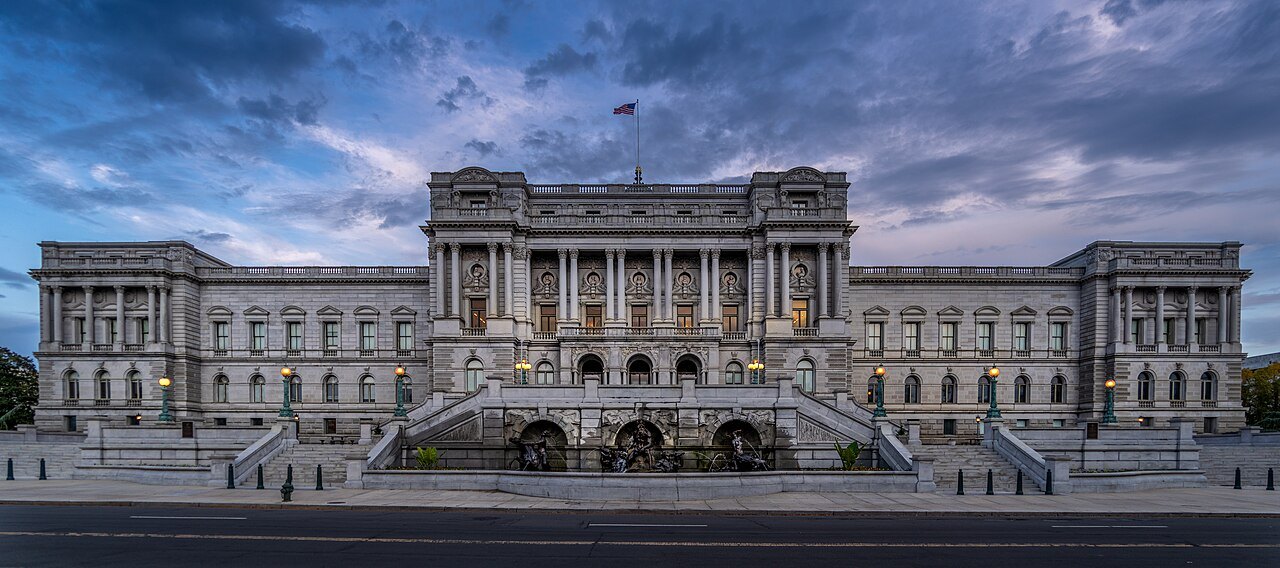
The Supreme Court Building sits across East Capitol Street from the Library of Congress's Thomas Jefferson Building, and together with the Capitol the three structures form the square at the top of Capitol Hill. A visitor who comes for the Library's Great Hall and its reading room can walk the Court's plaza in a few minutes.
Until 1935 the Supreme Court sat inside the Capitol itself, sharing the legislature's building rather than having one of its own. Cass Gilbert designed a separate home for the Court, built between 1932 and 1935, so the institution moved into its own building only in the twentieth century despite being almost as old as the republic itself.
For most of American history the Court had no building of its own; the Capitol was its address. The marble building that now stands across from the Library is comparatively young next to its neighbors, built specifically to give the judiciary its own public face on Capitol Hill, alongside a Capitol and a Library that had stood there for decades already.
The Supreme Court itself dates to 1789, far older than this building, so the marble temple a visitor sees today represents only the most recent chapter of a longer institutional history. That history runs back past 1800, the year Congress itself moved to the new capital and the Library of Congress was founded as a working library for the legislature.
Cass Gilbert's Marble Temple
Gilbert's design is a white marble temple, faced outside with stone quarried in Vermont, built to stand as a visual equal to the Capitol and the Library of Congress across the street. The scale and the columned front give the judiciary a public face as monumental as the other two branches of government.
Inside, the walls are lined with marble quarried in Alabama, and the courtroom itself is finished in ivory-veined marble from Spain, framed by twenty-four columns of Italian marble. The effect is a deliberate sequence of different stones, so the courtroom reads as more ornate than the halls that lead to it.
The building's two mottoes face opposite directions: the west front, the formal entrance toward the Capitol, carries the words Equal Justice Under Law, while the east front reads Justice, the Guardian of Liberty. One justice is said to have worried that the building would look like nine black beetles set down in the Temple of Karnak.
The Plaza and the Steps
The front plaza and the steps leading up to the columns are the best place to take in Gilbert's facade, with enough distance to see the full temple front and its pediment. This is also where both of the building's carved inscriptions are easiest to read, one on each front.
From the plaza the Capitol's dome is visible across East Capitol Street, and the Library of Congress's Jefferson Building sits just on the other side, so all three buildings can be framed from one spot without entering any of them. Most visitors photograph the facade, the steps and the flanking statues from this open ground.
The steps themselves rise a full story to the columned portico, shallow but numerous, and a visitor who wants only the exterior view rather than entry can stop partway up rather than climb all the way to the doors. They are the same steps that most photographs of the building show, with the pediment and the line of columns rising behind them.
Visiting While the Court Sits
The Supreme Court Building is a working court, not a museum, so access to the building and to its sessions follows the Court's own calendar and its own rules rather than a fixed visitor schedule. Anyone hoping to be inside while the Court is sitting should check the Court's visitor pages before building a day around it.
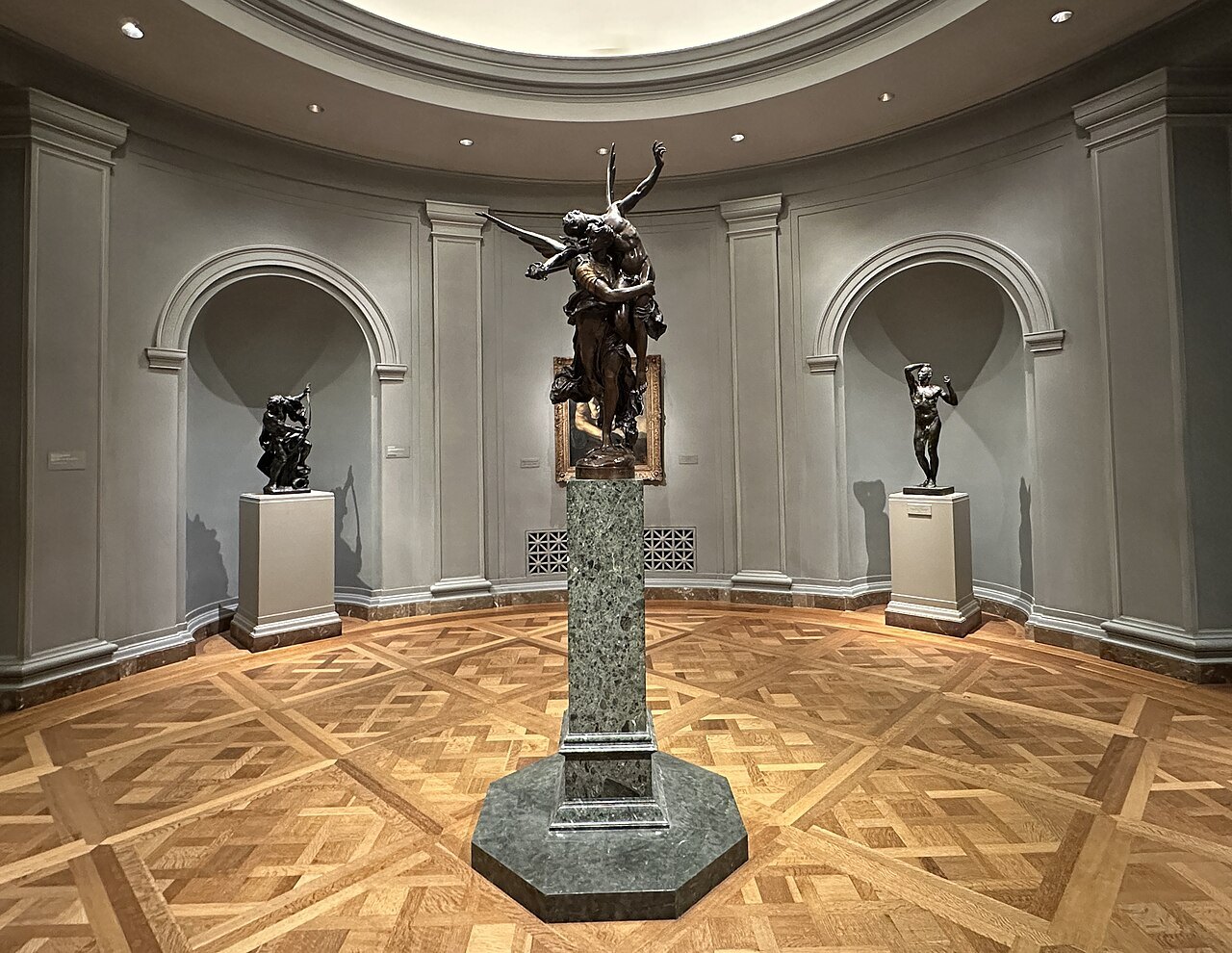
Those pages, rather than this guide, are the place to confirm what identification is required, how seating works on a sitting day, and what screening a visitor should expect at the entrance. Rules for a working court can change, so checking again close to the date of a visit is worth doing even after an earlier check.
A visitor who cannot confirm a seat for a sitting day still has the plaza, the steps and the facade to see, and the Library of Congress and the Capitol are each a short walk away, so a visit to Capitol Hill is not wasted if a particular day's session cannot be arranged.
Pairing the Court with the Library and the Capitol
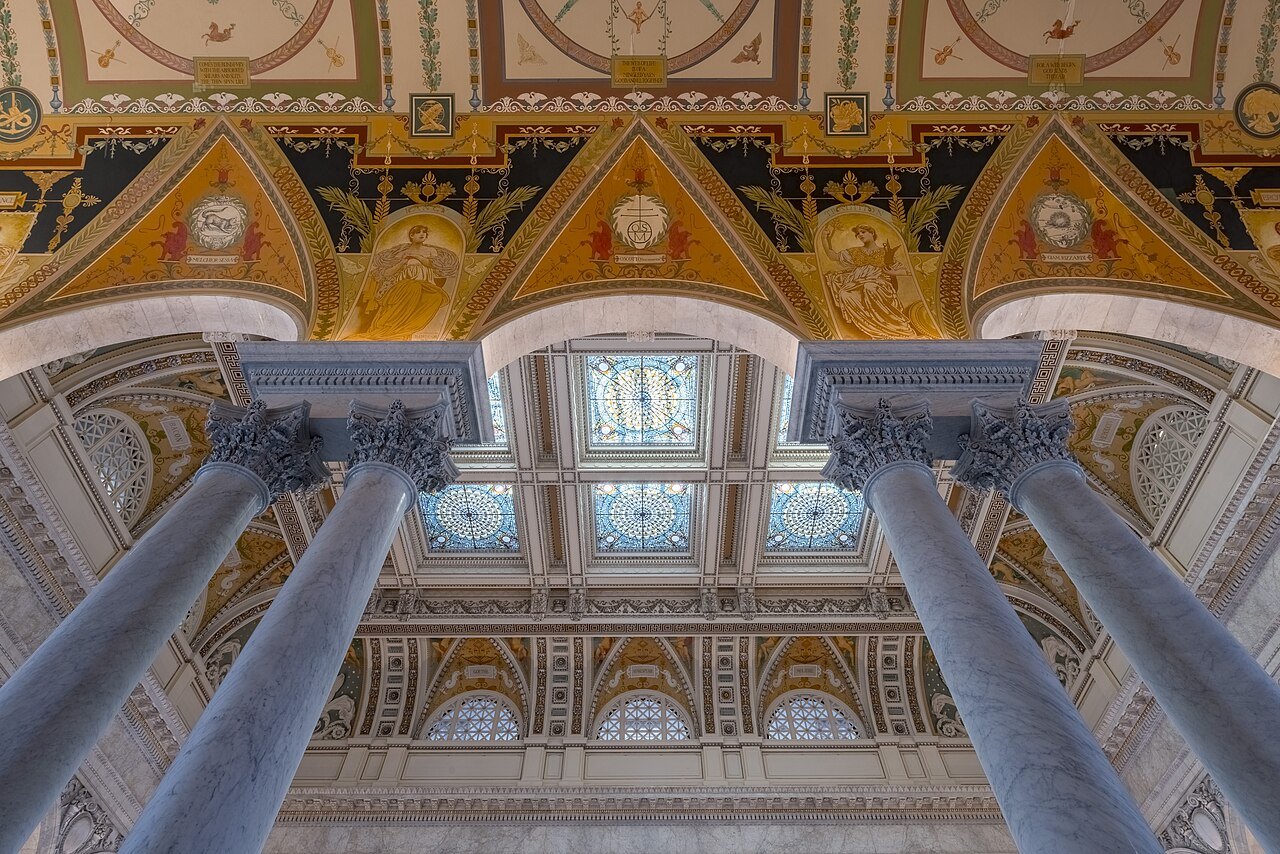
The Library of Congress's Thomas Jefferson Building, the Capitol and the Supreme Court Building stand on three sides of the same square atop Capitol Hill, close enough to see one from the steps of another. A visitor can reasonably plan to see all three in one outing, with the Library's Great Hall and Main Reading Room as the anchor.
Free timed-entry tickets are required for the Jefferson Building, reserved online up to a set number of days ahead, with a further release of same-day tickets each day; see the Library of Congress page for how that works. Every visitor to the Library also passes through security screening, and the library itself warns that lines run longer from March through July than at other times of year.
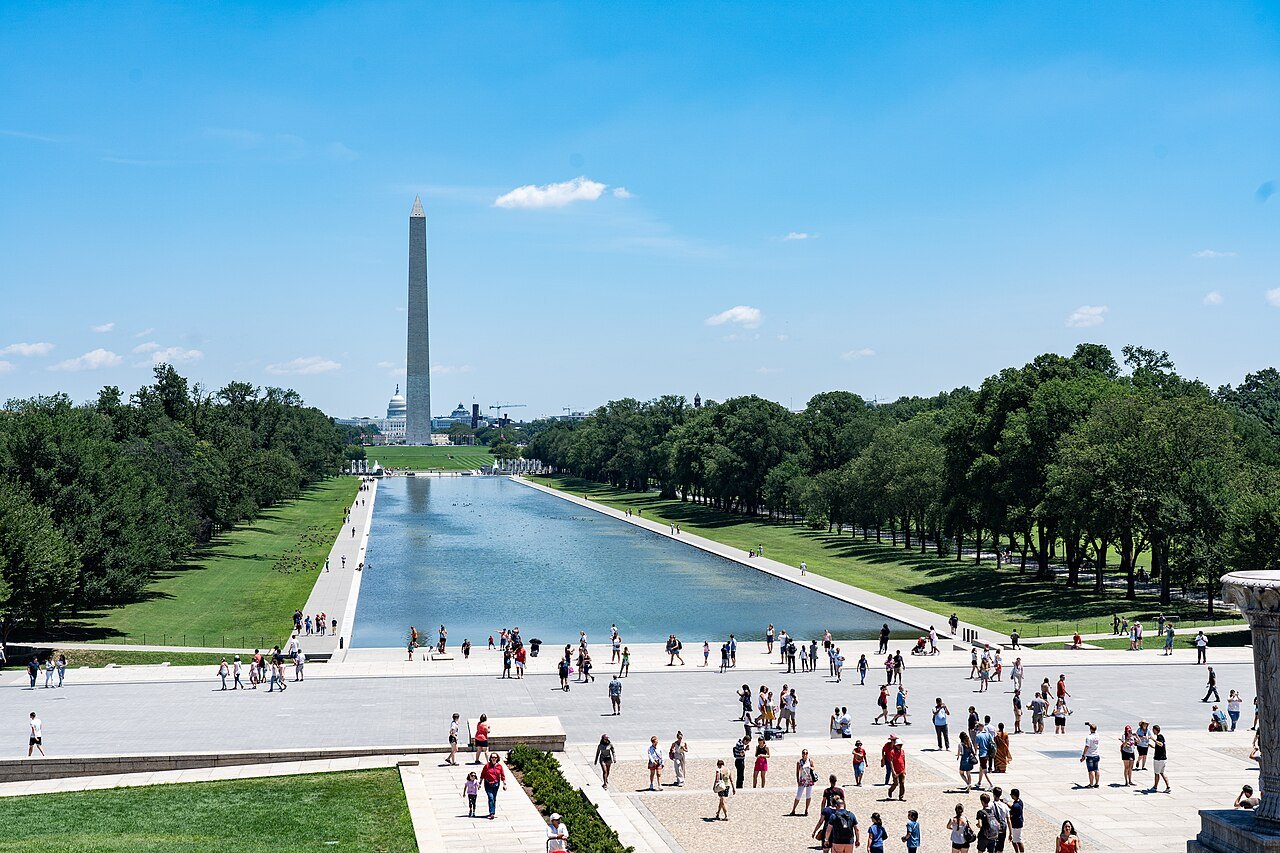
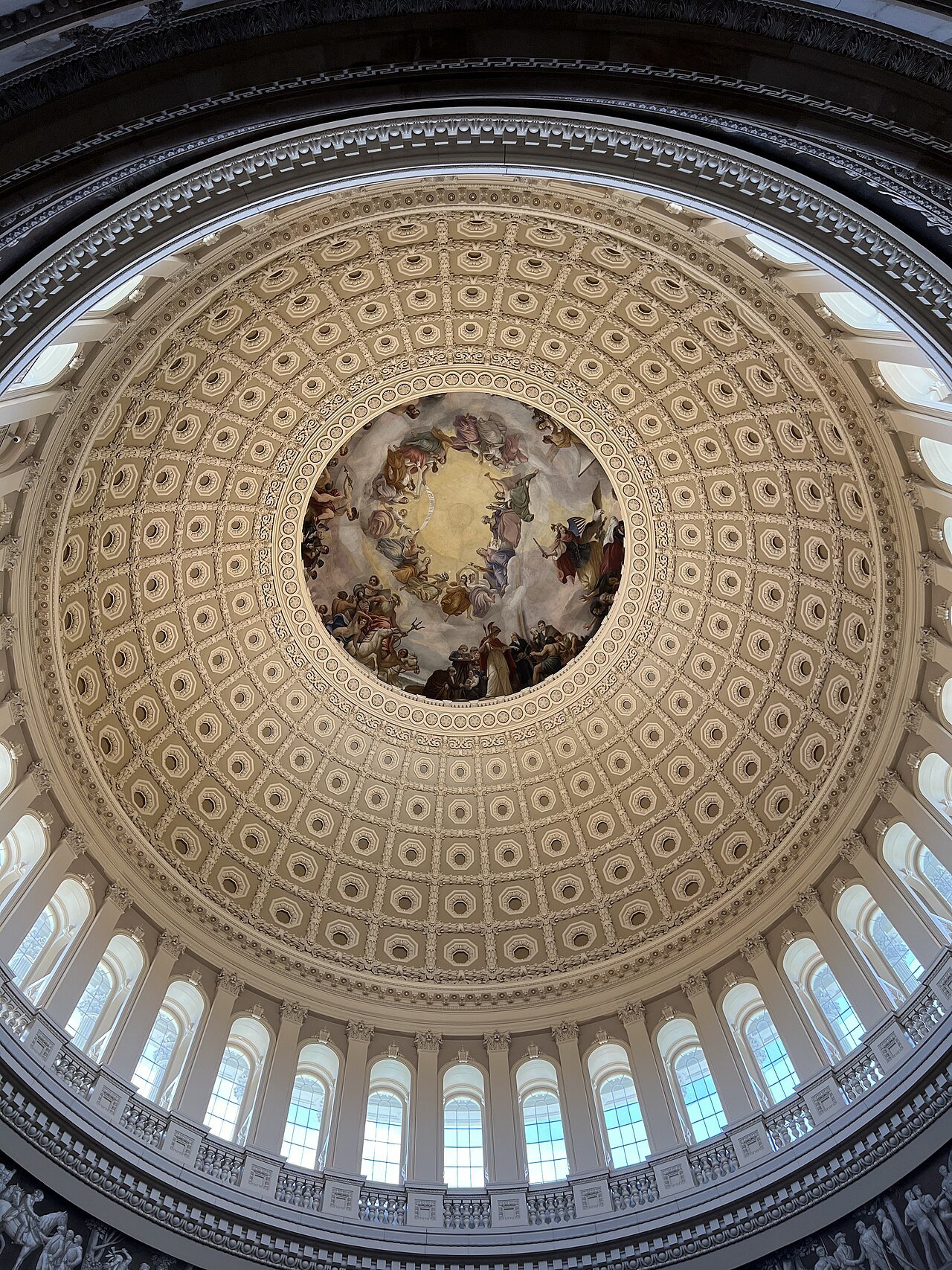
The Capitol Visitor Center connects to the Library by an underground passage, so a visitor touring the Capitol can move to the Library without going back outside, and from the Library's plaza it is a short walk across East Capitol Street to the Court. Taken together, the three buildings make a single, compact visit to the heart of Capitol Hill.
Honest Notes
This page describes the Supreme Court Building mainly as seen from the outside and from its own calendar, rather than as a sight with a ticketing system of its own; nothing here should be read as a promise about seats, lines, or hours. For anything about oral arguments or a particular sitting day, the Court's own visitor information is the source to use.
The building itself is young compared with its neighbors, finished in 1935 after the Court spent more than a century sitting inside the Capitol, so the grand marble temple a visitor sees today is not where most of the Court's history was actually made. It is a twentieth-century addition to the hill, built to give the judiciary its own address.
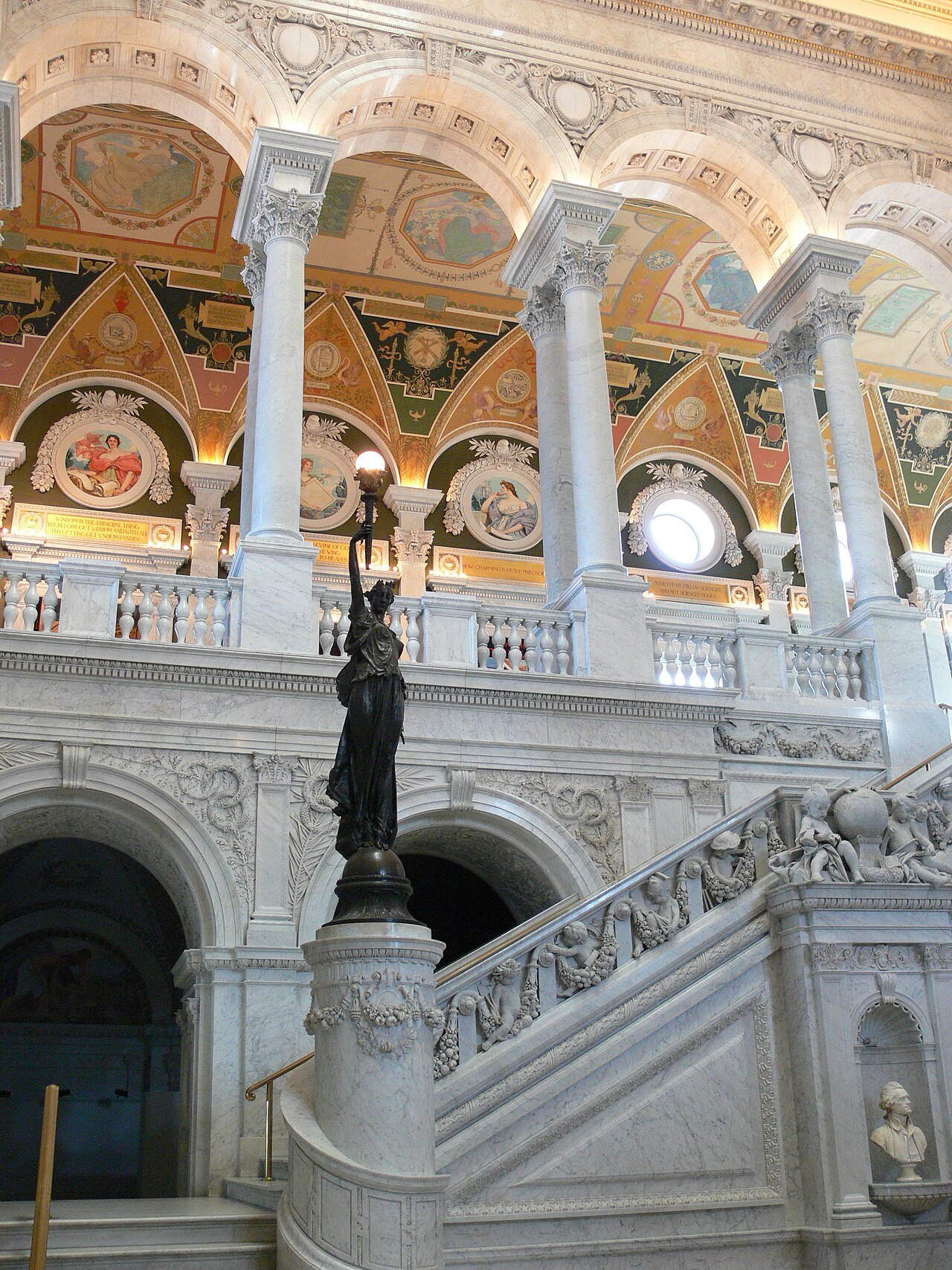
As with any government building on Capitol Hill, gatherings and demonstrations sometimes take place on the plaza or nearby streets, and a visitor can expect to see them from time to time without their affecting a planned visit to the Library or the Capitol. For current conditions on the ground, or for any safety concern, call 311 for general city questions and 911 for an emergency.
Read next03
More from the journal
- The United States CapitolHow do you watch the House or the Senate in session?How visitors get into the House and Senate galleries, separate from the Capitol's historic tour.Read the piece →
- The Library of Congress and the Supreme CourtWhat is Thomas Jefferson's library, and how much of it survives?The story of the library Jefferson sold to Congress, the fire that nearly destroyed it, and what survives in the Jefferson Building today.Read the piece →
- The United States CapitolWhat is inside the Capitol Rotunda, and who painted its dome?A guide to what fills the Capitol Rotunda, who painted its dome, and how to see both on a free tour.Read the piece →